











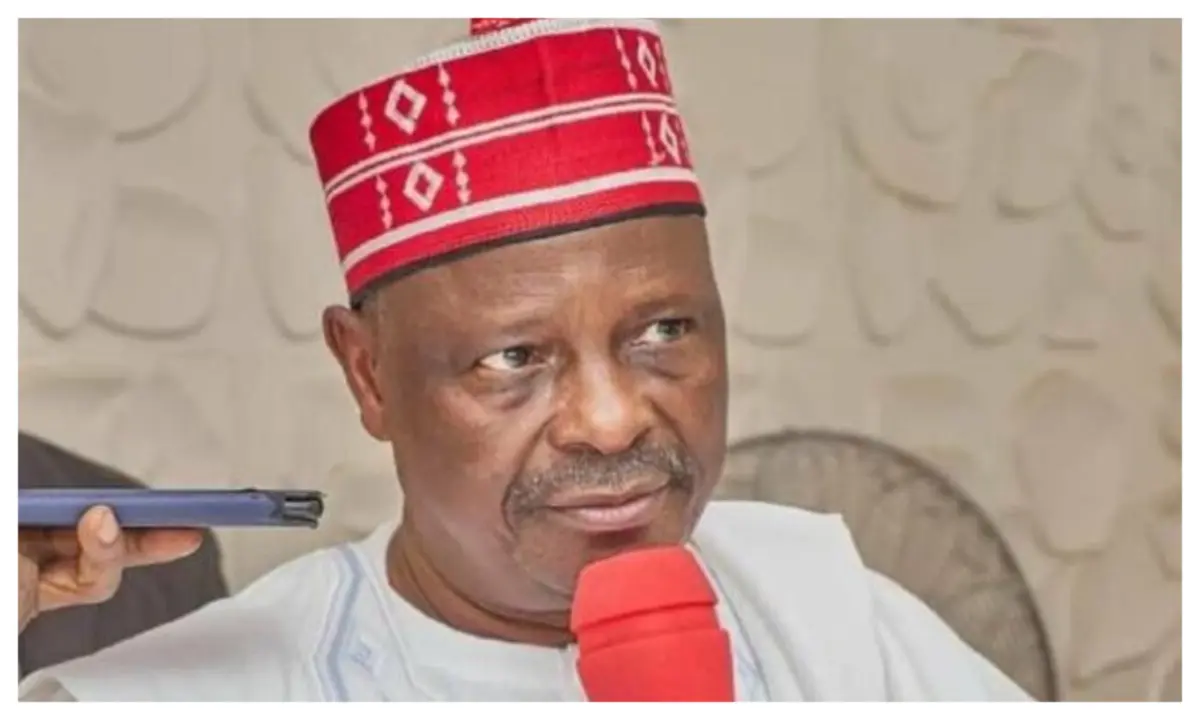
Rabiu Kwankwaso, national leader of the New Nigerian Peoples Party (NNPP), has made a firm demand as coalition talks intensify ahead of the 2027 general election. Addressing supporters in Kano on Saturday, Kwankwaso said he will only join or merge with a political party that is prepared to surrender its presidential or vice-presidential ticket to him.
Kwankwaso presidential ticket remains non-negotiable
Kwankwaso’s declaration sets a clear condition for any alliance. “We are looking for a party, but they must agree to give me, Rabiu Kwankwaso, a presidential or vice-presidential ticket,” he told the crowd. The pronouncement narrows the field of feasible partners and signals that the NNPP seeks a leading role rather than a junior alliance position.
Political observers say the demand is both tactical and demonstrative of Kwankwaso’s desire to maintain relevance after the 2023 election, when he finished a distant third. By insisting on either the presidential or vice-presidential ticket, Kwankwaso is attempting to convert his regional support base into national bargaining power.

Reports suggest Kwankwaso is facing approaches from several quarters. The African Democratic Congress (ADC) has been mentioned in speculation, though ADC already counts high-profile figures among its ranks, with multiple declared presidential hopefuls. At the same time, the ruling All Progressives Congress (APC) is said to be engaging with Kwankwaso to secure his backing for the re-election bid of President Bola Ahmed Tinubu in 2027.
Analysts warn that the leadership ambitions of multiple senior figures could complicate the merger calculus. A party willing to surrender a top ticket would have to reconcile internal ambitions and manage potential fallout among its figures and supporters. For parties like the ADC, which reportedly has several prominent aspirants, meeting Kwankwaso’s condition would require significant compromise.
Kwankwaso’s stance also reflects a broader trend in Nigerian politics where smaller parties and regional leaders leverage their vote blocs to extract concessions from larger parties. Such manoeuvring can alter coalition dynamics and influence candidate selection across states. If the NNPP’s demand is accepted, it could reshape alliances and introduce new permutations into the presidential race.
Supporters in Kano welcomed Kwankwaso’s firmness, viewing it as a show of strength and resolve. Critics, however, argue that an insistence on top-ticket guarantees could limit the NNPP’s options and reduce the likelihood of meaningful alliances. The balancing act for Kwankwaso will be to translate regional credibility into electable national coalitions without alienating potential partners.
As the 2027 contest approaches, parties will need to weigh the electoral math. For larger parties, absorbing the NNPP with a concession on the presidential or vice-presidential ticket could be a costly but potentially rewarding strategy to secure votes in key northern states. For the NNPP, the demand signals an ambition to be more than a kingmaker; it shows the party seeks a substantive role at the centre of the ticket.
Further developments are likely in the coming months as party conferences, negotiations, and internal primaries play out. For now, Kwankwaso’s clear-cut condition has become a headline issue in Nigerian political discussions, and it will be a factor parties must address if they hope to build winning coalitions for 2027.
Key Takeaways:
- Rabiu Kwankwaso says he will only merge with a party that gives him a presidential or vice-presidential ticket.
- Kwankwaso is weighing offers from major parties including the ADC and the ruling APC.
- Kwankwaso presidential ticket demand could reshape coalition talks ahead of the 2027 election.
- He finished third in 2023 and is positioning the NNPP as a bargaining force in Nigerian politics.








