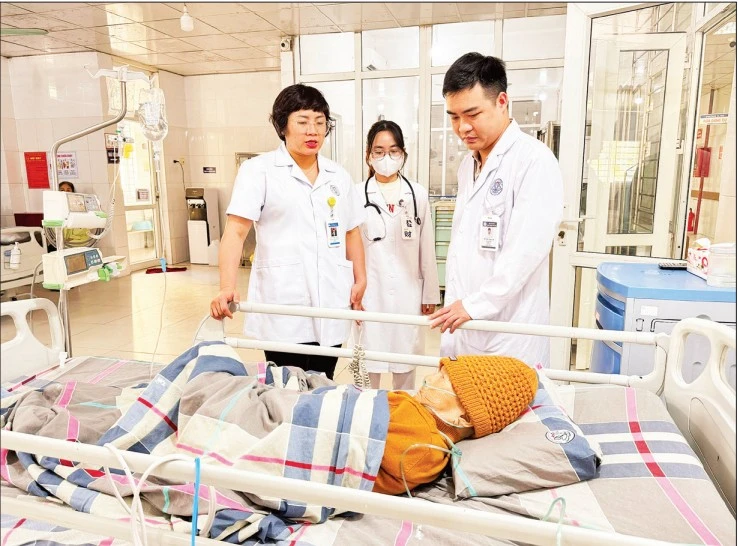
A 75-year-old man in Đông Anh, Hanoi, has stopped taking antibiotics and come off his fever after nearly a week of intensive care and targeted treatment, hospital staff report. The case, treated at Đông Anh General Hospital’s intensive care and toxicology unit, typifies a growing wave of infections caused by antibiotic-resistant bacteria that is complicating treatment, extending hospital stays and driving up costs.
Antibiotic resistance in Vietnam and rising community misuse
Clinicians say the rise in resistance stems mainly from the widespread misuse of antibiotics outside hospitals. Many people buy and take antibiotics without a prescription, stop treatment early or use incorrect doses. Within hospitals, prolonged ventilator use and repeated courses of antibiotics increase the risk of organisms adapting and surviving treatment.
Dr Ngô Trung Hải, head of the intensive care and toxicology department at Đông Anh General Hospital, explained that resistant infections force physicians to prescribe higher doses or combinations of powerful agents, which prolongs therapy and raises the financial and clinical burden on patients and health services.

The World Health Organization lists antibiotic resistance among the top 10 global health threats. Vietnam is among countries with high rates of resistance, and clinicians warn that multidrug-resistant and even pan-resistant strains have already emerged, limiting treatment options.
Hospital measures and patient advice
Hospitals are implementing standard infection-prevention measures to limit spread. These include frequent hand hygiene with alcohol-based rubs or soap and water, strict single-patient use or sterilisation of equipment, daily disinfection of beds and surfaces, and correct disposal of medical waste. Such measures reduce cross-infection and the need for broad-spectrum antibiotics.
Specialists advise the public to use antibiotics only when prescribed by a qualified doctor and to follow the prescription fully: the right drug, the right dose, the right duration and the right method of administration. Patients should not share leftover antibiotics or use medicines given to others. Regular handwashing remains a simple and effective way to prevent infections that could otherwise require antibiotic treatment.
Policy responses and enforcement
Recent studies cited in the hospital report indicate that between 50% and 70% of people in some areas buy and use antibiotics without a prescription. Although Vietnam’s Ministry of Health classifies antibiotics as prescription-only medicines, enforcement is inconsistent and powerful or branded antibiotics remain widely available at pharmacies.
To tackle the problem, health authorities are urged to strengthen controls on antibiotic sales. Suggestions include rolling out a national electronic prescription system to make sales traceable, increasing public education on the dangers of misuse, and prosecuting prescribers or sellers who violate regulations.
Medical experts stress that curbing antibiotic resistance will require coordinated action across the healthcare system and the community. Better stewardship of existing medicines, stronger regulation and improved infection prevention can all reduce the burden of resistant infections and preserve antibiotic effectiveness for future patients.
Key Takeaways:
- Antibiotic resistance in Vietnam is rising due to widespread misuse in the community and hospitals.
- Doctors urge strict infection control and adherence to prescriptions to reduce resistant infections.
- Authorities propose electronic prescriptions and stronger enforcement to prevent over-the-counter sales.
- Public guidance stresses the four rights: right drug, right dose, right duration and right method.