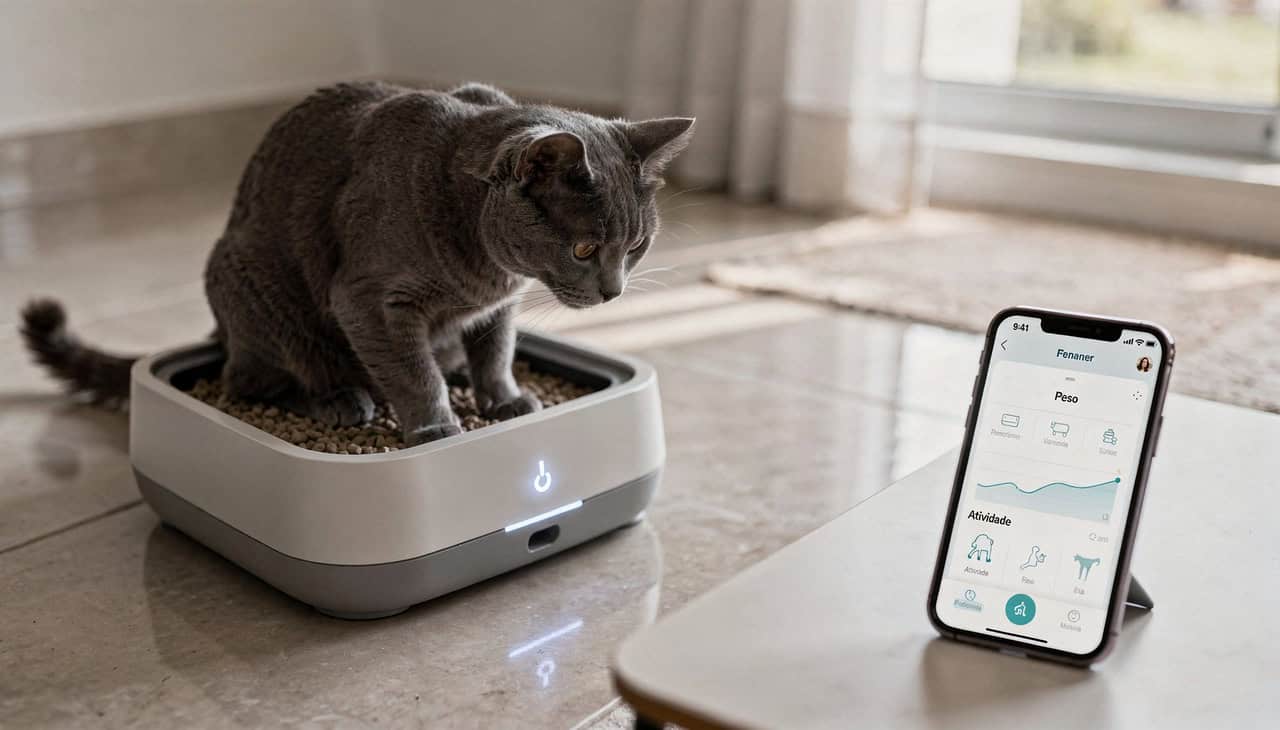
Brazilian pet owners are increasingly turning to connected devices that spot subtle health changes in cats before visible symptoms appear. New litter‑box sensors, promoted by brands such as Purina’s Petivity, convert routine visits into actionable health data and alert owners when patterns change.
Smart cat monitor detects silent signs of illness
The technology combines high‑precision sensors with machine learning to establish what is normal for each animal. Sensors measure body weight to the nearest gram, log how often and when a cat uses its usual litter box, and record how long the animal stays inside. These metrics form a personalised baseline that the system continuously compares against.
When the device detects a meaningful deviation from that baseline—such as a sudden rise in frequency of litter‑box visits, unexplained weight loss or altered time spent in the box—a notification is pushed to the owner’s smartphone. The alerts are designed to prompt earlier veterinary consultation, rather than replace clinical care.

Veterinary professionals note that many common feline conditions, notably urinary tract infections and chronic kidney disease, produce changes in elimination behaviour well before overt clinical signs develop. By flagging those changes, the smart monitor can provide a window for earlier diagnostic testing and treatment.
Compared with traditional observation, the system offers continuous, objective measurement. Human inspection is intermittent and can miss gradual shifts in behaviour; sensors provide consistent tracking and can detect subtle trends that a busy owner might not notice.
Manufacturers say the underlying machine‑learning models adapt to the individual cat, reducing false alarms that would occur with a one‑size‑fits‑all threshold. Over time the device refines its understanding of each animal’s routine and only highlights statistically significant departures.
For Brazilian households, where pet ownership has grown steadily, the appeal is clear. Devices that enhance preventive care align with broader trends in pet health spending and technology adoption. In practical terms, early detection can reduce treatment costs and improve outcomes by addressing conditions before they advance.
Experts emphasise that connected monitoring should complement, not replace, veterinary assessment. Data from the device can sharpen clinical decisions by providing objective records of behaviour changes, helping veterinarians prioritise tests and follow‑up.
Beyond individual benefits, aggregated, anonymised data from such systems could inform population‑level research into feline health patterns and seasonal trends, though that depends on privacy safeguards and willing participation from owners.
As connected pet care tools enter more homes in Brazil and other BRICS+ countries, they are likely to influence how owners and clinicians approach preventive medicine. For now, the practical promise is straightforward: timely alerts, better-informed veterinary visits and the potential to identify illness before a cat shows overt signs of distress.
Owners interested in the technology should review product specifications and consult their veterinarian to understand how device readings should inform clinical action.
Key Takeaways:
- The smart cat monitor uses precision litter‑box sensors to record weight, frequency and duration of visits, creating an individual behaviour baseline.
- AI analyses deviations—such as sudden weight loss or increased litter‑box visits—and sends real‑time alerts to owners.
- Early detection of urinary and renal problems enables timelier veterinary intervention and better preventive care.