European export credit agencies (ECA) and development finance institutions (DFI) are recalibrating their approach to Africa, helping to unlock private capital for major energy and logistics projects ahead of the African Energy Investment Forum (IAE) 2026 in Paris.
ECA investment in Africa shifts toward blended finance and midstream projects
Institutions such as COFACE, FMO and DEG are moving away from purely concessional aid and adopting blended finance structures that attract commercial lenders. The shift is already visible in a range of transactions across West and East Africa, where flexible deal structures have enabled debt, guarantees and private loans to work together.
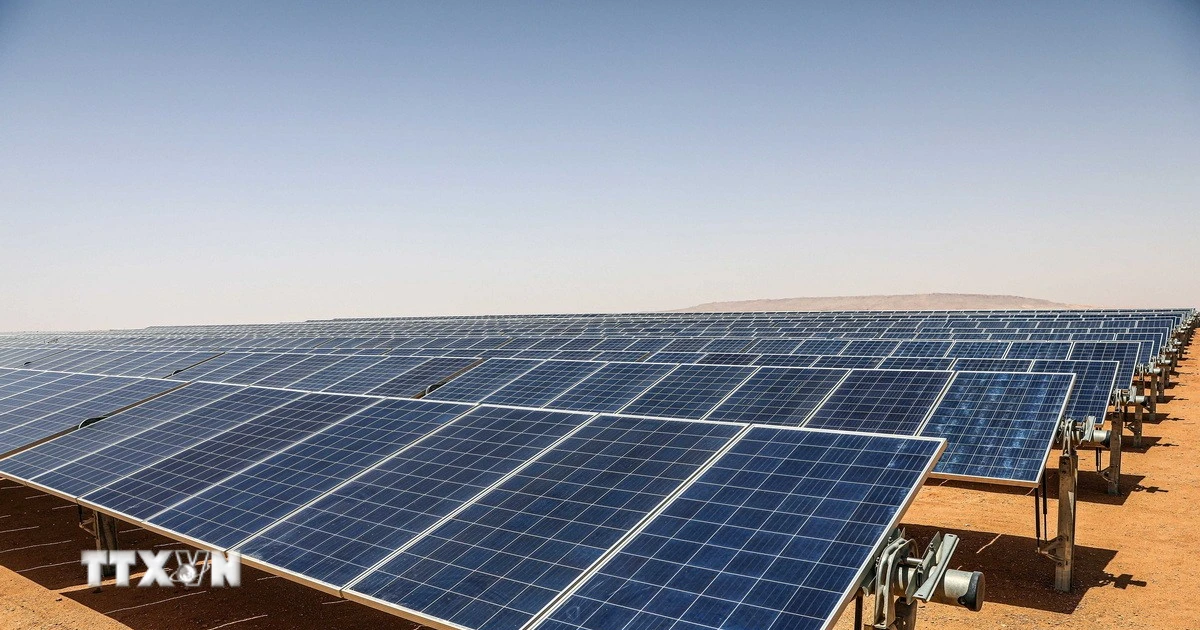
In Cote d’Ivoire, the 50 MW Bondoukou solar project reached financial close after a combination of guarantees from Dutch and German development banks and commercial lending. The deal highlights how European capital can act as a catalyst, lowering perceived risks and improving terms for other investors.

Senegal and Mauritania continue to see strong ECA involvement in gas processing and LNG infrastructure. In those countries, agencies are also keen on port and midstream projects that support regional trade, including transportation and storage facilities that connect producers to export markets.
Another notable development is the growing mobilisation of private sector funds for large facilities. In Uganda, private investors are leading efforts to raise roughly $2 billion for a refinery and associated storage and port infrastructure for the Albert Lake oil fields. That initiative demonstrates a growing market belief in the commercial feasibility of midstream assets.
The trend reduces reliance on strained national budgets and shifts project risk profiles toward commercially viable models. It also reflects the impact of governance reforms in several African states. Angola has attracted additional inflows after tax and fiscal changes in its oil sector, while Nigeria’s Petroleum Industry Act continues to provide a more predictable legal framework, reassuring long-term investors.
DFIs and ECAs are applying blended finance to both oil and gas and cross border logistics projects where export potential is clear. By mixing concessional instruments with market-rate capital, these institutions can improve bankability while safeguarding development objectives.
For European agencies the approach serves multiple goals. It leverages limited public resources to attract far greater private investment. It supports projects that expand regional trade links. And it seeks to promote sustainable commercial models that endure after initial public support ends.
The policy and investment interplay between European financiers and African reform agendas is turning long standing risks into tangible opportunities. Market confidence in midstream projects and logistics infrastructure is increasing, which should accelerate project pipelines and promote more integrated regional markets.
Delegates from African governments, ECAs, DFIs and private financiers will meet at IAE 2026 in Paris to advance financing plans for energy and cross border infrastructure. The forum will be a test of whether the blended finance momentum can scale into a sustained flow of private capital across the continent.
Key Takeaways:
- European export credit agencies and development finance institutions are shifting to blended finance models that mobilise private capital.
- Examples include the 50 MW Bondoukou solar project in Cote d’Ivoire and private efforts to raise $2bn in Uganda for a refinery and storage.
- ECA investment in Africa is targeting midstream energy and logistics, signalling rising commercial viability and reduced reliance on state budgets.