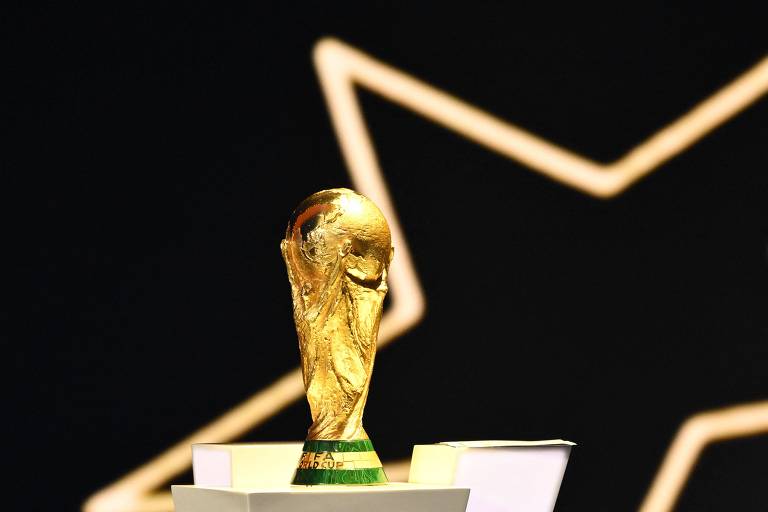
As Brazil prepares for two major events in 2026—the presidential election and the FIFA World Cup shared by Mexico, the United States and Canada—readers across the country report a mix of anxiety, resignation and cautious hope. A recent reader poll by Folha drew responses that illustrate the emotional stakes: many are worried about political polarisation and the tone of the campaign, while others temper their political concern with scepticism about the national football team.
Brazil 2026 elections and World Cup public mood
At the top of voters’ concerns is the anticipated intensity of the presidential campaign. Several respondents said they expect renewed polarisation and a campaign focused more on rhetoric than on policy. One reader from Curitiba argued that leading contenders appear unprepared to present concrete solutions for pressing issues such as public security and education. Another reader from Juiz de Fora warned of an environment saturated with misinformation and politically biased reporting presented as neutral journalism.
Alongside these political worries, sport figures in the national conversation. Some readers expressed disappointment in the national football team, saying it may not live up to historical expectations at the World Cup. Others pointed to alternative sources of national pride, such as volleyball and tennis, or celebrated democratic resilience despite political tensions. Comments ranged from dry scepticism—”expectation zero”—to hopeful visions of voter participation as a democratic festival.

Responses also reveal starkly different visions of the country’s future depending on electoral outcomes. A number of readers voiced fear that a change in administration could intensify corruption or social strain, while others suggested that continuity would stabilise institutions and blunt the influence of extremist factions. One contributor expressed confidence in the electoral system’s robustness, saying it had withstood previous attacks and would support a peaceful process in 2026.
Analysts say that years with major sporting events and national elections tend to amplify public emotion. The World Cup will draw global attention and intensify domestic debate, especially as supporters and critics use sporting narratives to frame political identities. Campaigns may attempt to harness national team performance to boost morale, while opponents could link sporting disappointment to broader complaints about governance. Observers caution that heightened online activity increases the risk that misleading content will spread rapidly.
Despite the mix of pessimism and optimism, a consistent thread in the reader contributions is an engagement with the future. Many letters call for clearer policy proposals from candidates and for media outlets to improve standards of verification. Others urge citizens to turn out and defend democratic institutions at the ballot box.
With 2026 approaching, Brazil faces more than a calendar of events: it will also confront the challenge of managing public expectations and preserving a stable political environment amid the spectacle of a global sporting tournament. How political leaders, media outlets and civil society respond in the coming months will shape whether the year is remembered for civic mobilisation or heightened division.
Key Takeaways:
- Brazil 2026 elections and World Cup dominate public conversation as voters weigh political polarisation and national football hopes.
- Readers report anxiety over polarised campaigns, misinformation and weakened policy proposals ahead of the presidential vote.
- Public faith in electoral institutions coexists with fears of intensified political conflict during a high-profile sporting year.