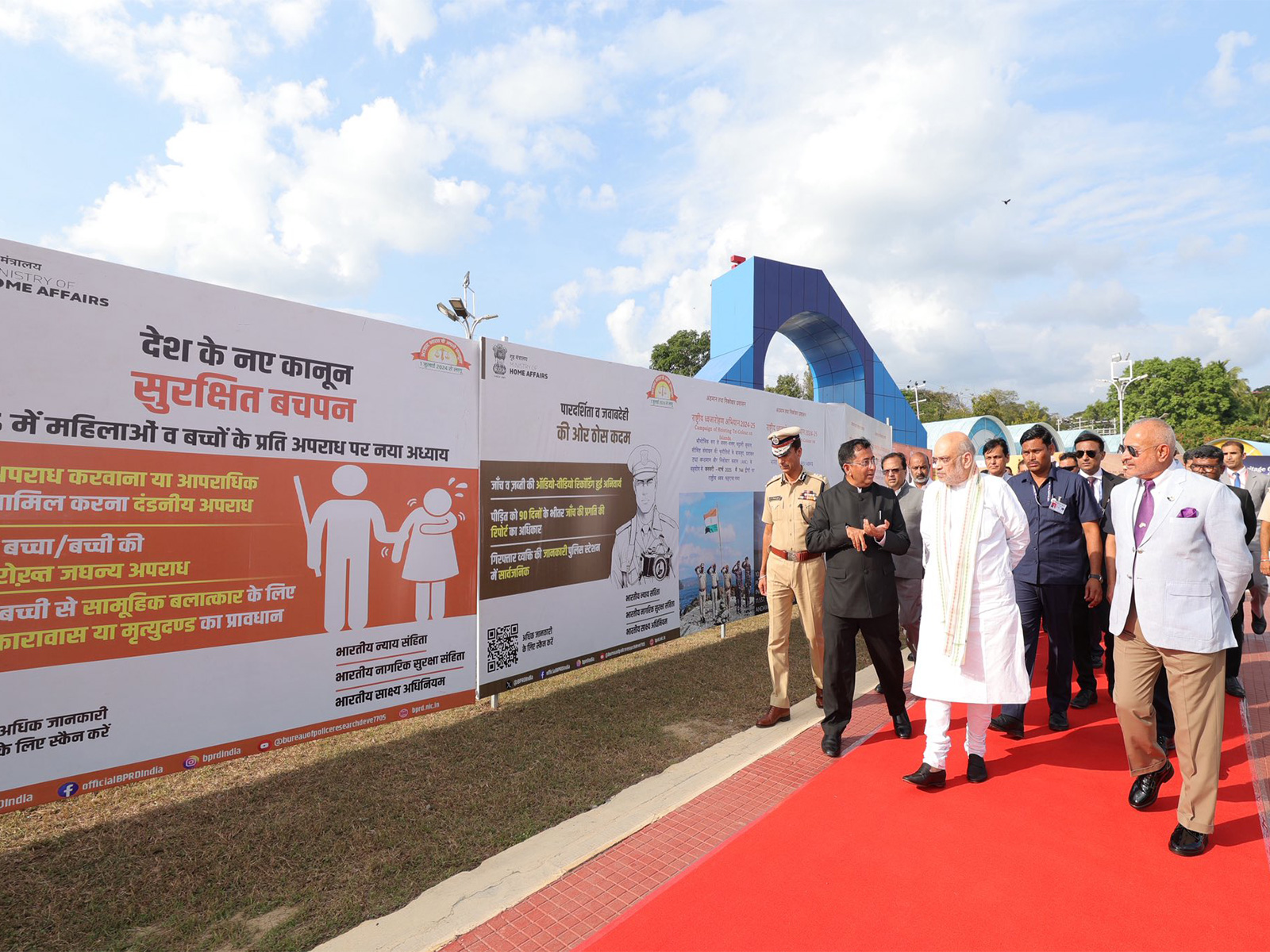
Union Home Minister Amit Shah inaugurated an exhibition on the three new criminal laws in Sri Vijaya Puram in the Andaman and Nicobar Islands on 4 January, highlighting the government’s drive to speed up justice delivery through digital tools and enhanced forensic capacity. The exhibition showcases provisions such as e-FIRs, Zero FIRs and the increased role of forensic-based evidence under the reformed legal framework.
India forensic reforms and the push for forensic capacity
Speaking after the inauguration, Shah said India is delivering fast and flawless justice with e-FIRs, Zero FIRs and forensic-based evidence provided for by the new laws. He urged residents of the islands and personnel associated with the justice system to visit the exhibition to understand how the changes protect citizens’ rights and ensure timely justice.
The visit followed a meeting of the Parliamentary Consultative Committee of the Ministry of Home Affairs on the Central Forensic Science Laboratory and the National Forensic Sciences University in the islands. Officials at the meeting discussed steps to raise forensic standards nationwide and improve the speed and accuracy of criminal investigations.

Shah highlighted India’s advances in forensic science, saying the country has reached global standards in forensic investigation and is achieving high conviction rates through swift and accurate results. He noted a plan to expand the National Forensic Sciences University, with the government aiming to produce 35,000 forensic experts each year by establishing NFSU campuses in every state by 2029.
The centre has also announced a planned investment of Rs 30,000 crore over the next five years to establish a nationwide network of forensic laboratories and ensure the setting up of either a forensic university or a Central Forensic Laboratory in each state by 2029. Officials said that the funding will be used to build facilities, standardise scientific procedures and enhance training for forensic personnel.
Attendees at the meeting included Ministers of State for Home Affairs Nityanand Rai and Bandi Sanjay Kumar, members of the Parliamentary Consultative Committee, the Union Home Secretary, the Vice Chancellor of NFSU, the Director General of the Bureau of Police Research and Development and other senior officials. The discussions focused on the rollout timeline for laboratory infrastructure and measures to address inconsistencies in forensic practices across jurisdictions.
Government officials pointed to two linked priorities: expanding capacity and establishing nationwide standards. They said the investments and the university expansion are intended to reduce case backlogs, strengthen evidence chains and raise the quality of forensic reporting. For smaller and remote jurisdictions such as the Andaman and Nicobar Islands, the reforms are expected to improve access to timely forensic services.
The exhibition in Sri Vijaya Puram forms part of a wider public education effort to familiarise citizens and justice-sector professionals with the operational aspects of the new criminal laws. Organisers said the display aims to explain how digital processes such as e-FIRs and procedural changes will work in practice while emphasising the role of scientifically verified evidence in securing convictions.
Officials now move to finalise implementation plans, with timelines for laboratory construction, recruitment and curriculum development at NFSU campuses. If executed as planned, the initiative would mark a significant investment in the forensic and investigative capacity of India’s criminal justice system.
Key Takeaways:
- Union Home Minister Amit Shah opened an exhibition on three new criminal laws, spotlighting e-FIRs, Zero FIRs and forensic evidence as tools for faster justice.
- India forensic reforms plan includes a Rs 30,000 crore investment to build a national network of forensic laboratories over five years.
- Government aims to produce 35,000 forensic experts a year by 2029 by expanding the National Forensic Sciences University.
- The exhibition and a Parliamentary Consultative Committee meeting underline a national push for standardised, technology-driven justice delivery.