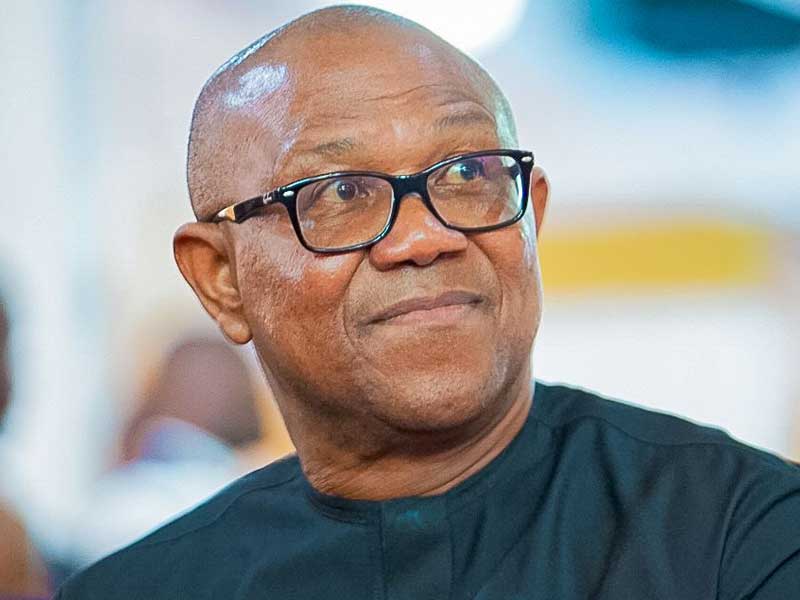
Former Anambra State Governor Peter Obi has issued a stark warning about Nigeria’s current tax approach, saying heavier levies on a largely poor population risk deepening hardship rather than delivering prosperity. In a statement shared on X, Obi urged policymakers to prioritise policies that grow incomes and build public trust.
Nigeria tax policy at a crossroads
Obi told followers that true economic progress depends on honesty, transparency and a shared national purpose. He said countries that have achieved lasting development did so by uniting citizens around clear leadership and accountable institutions. “You cannot tax your way out of poverty; you must produce your way out of it,” he said.
At the heart of Obi’s critique is the view that taxation must be a genuine social contract between government and citizens. He called on authorities to explain tax measures clearly, including how they will affect household incomes and where revenue will be spent. Without such clarity, Obi argued, efforts to raise revenue will erode trust and reduce the incentives for productivity and investment.

Obi singled out small and medium-sized enterprises as central to any sustainable growth strategy. Empowering businesses, he said, will create jobs, lift incomes and naturally broaden the tax base. Instead of chasing short-term increases in collections, fiscal policy should focus on measures that stimulate production and expand economic opportunity.
The former governor also raised concerns about what he described as a tax fraud controversy. He said reports indicate that the tax law currently in use differs from the version passed by the National Assembly, and that the legislature has acknowledged discrepancies between the approved text and the version that was gazetted. Obi warned that celebrating higher government revenue while citizens grow poorer amounts to a failure of governance.
Policy experts say Obi’s arguments touch on familiar tensions in fiscal planning: the need to mobilise revenue for public services versus the risk of stifling growth by imposing burdensome taxes on low-income households and small firms. Economists often recommend broadening the taxable base through higher employment and better compliance rather than raising marginal tax pressure on the poor.
Obi’s intervention comes at a time when Nigeria is grappling with fiscal pressures, including subsidy removals, exchange rate adjustments and efforts to diversify revenue sources. Public debate is intensifying over how to balance short-term fiscal consolidation with long-term growth strategies that improve living standards.
Observers said three practical steps would address some of the concerns Obi raised: improve transparency in how tax laws are drafted and gazetted, publish clear impact assessments for new tax measures, and introduce targeted support for SMEs to boost production and formalisation. Such measures would help reconcile the need for revenue with the goal of making citizens wealthier.
For Obi, the ultimate test of any tax policy is whether it raises living standards. He concluded that governments should not measure success solely by headline revenue figures but by the welfare of the people those revenues are meant to serve.
Key Takeaways:
- Peter Obi warns against raising taxes on low-income Nigerians and calls for fair, transparent fiscal policy.
- Obi argues growth comes from producing value, not taxing poverty, and highlights the role of SMEs.
- Allegations of discrepancies between the tax law passed by the National Assembly and the version gazetted raise governance concerns.
- Nigeria tax policy should prioritise clarity, fairness and measures that increase incomes rather than simply boosting revenue.