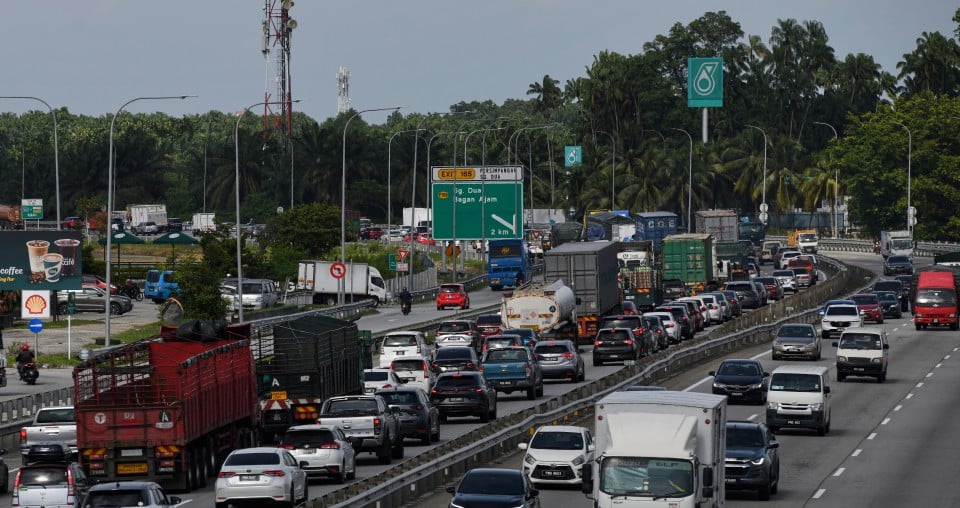
Road safety concerns are growing in Malaysia after local reports suggested that many drivers are prone to lapses in judgment behind the wheel. The issue has prompted renewed calls from transport authorities and road safety advocates for a combined approach of enforcement, education and technology to reduce collisions and save lives.
Officials say incidents of reckless behaviour, including speeding, distracted driving and hazardous manoeuvres, contribute to a significant share of road accidents. While concrete national statistics were not provided in the initial report, the pattern mirrors wider regional trends where rapid motorisation without adequate behavioural change has placed pressure on road systems.
Malaysia road safety must become a national priority
Road safety experts argue that enforcement alone will not solve the problem. They recommend a layered strategy that pairs visible policing with preventive measures. Such measures include expanded use of speed cameras, better signage, improved road maintenance and campaigns aimed at shifting social norms about risky driving.

Education programmes targeting young and novice drivers are a key priority. Young drivers are often overrepresented in serious crashes, according to safety specialists, because of inexperience and a greater propensity for risk-taking. Targeted training, graduated licensing schemes and school-based interventions can reduce those risks by instilling defensive driving habits early.
Technology also has a role to play. Vehicle safety systems, telematics and smarter traffic monitoring can deter unsafe behaviour and help authorities identify high-risk locations. Investment in infrastructure that separates vulnerable road users, such as pedestrians and cyclists, from fast-moving traffic would also reduce potential for harm.
Transport agencies have been urged to work more closely with local councils and community groups. Community-led efforts, including local awareness campaigns and neighbourhood speed watch schemes, can complement national measures and create a stronger culture of road responsibility.
Policy responses will need to balance deterrence with fairness. Advocates recommend clear, consistent penalties for serious offences such as dangerous driving and driving under the influence. At the same time, they stress the importance of accessible retraining schemes for drivers who commit lower-level infractions, so that punitive measures are accompanied by opportunities to improve.
Public messaging should be straightforward and evidence-based. Campaigns that use real-life stories, factual crash data and practical tips for safer driving tend to engage audiences more effectively than fear-based tactics. Collaboration between government, industry and civil society can help deliver coherent messaging across multiple channels, from traditional media to social platforms.
In addition to behavioural measures, planners should review road design in areas with frequent incidents. Improvements such as better lighting, clearer lane markings and redesigned junctions can reduce conflict points and make roads more forgiving of human error.
Authorities say any long-term improvement will require sustained funding and political commitment. Road safety is not a short-term project; it demands consistent enforcement, ongoing public education and regular evaluation of what works. For now, the renewed attention on drivers who ‘lose judgement’ provides an opportunity to accelerate reforms that could reduce injuries and fatalities on Malaysia’s roads.
Key Takeaways:
- Malaysia road safety concerns rise as reports suggest drivers are making risky choices behind the wheel.
- Authorities and experts call for stronger enforcement, public education and technology to reduce accidents.
- Proposed measures include speed cameras, targeted campaigns for young drivers and stricter penalties for dangerous driving.