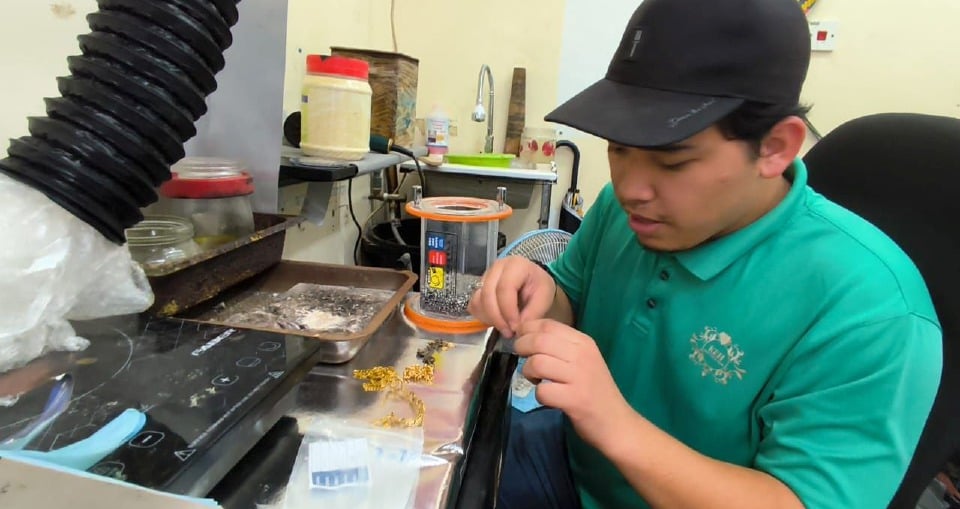
A young goldsmith in Malaysia has attracted growing local interest by blending established jewellery techniques with contemporary design and a focus on small-batch, handcrafted pieces. The artisan’s approach has helped shine a light on traditional skills while creating new commercial opportunities that support local suppliers and retailers.
Young goldsmith Malaysia blends tradition and modern design
The maker, operating from a modest workshop, has focused on applying time-honoured methods to create pieces that appeal to younger buyers. Simple, personal items such as signet rings and minimal pendant necklaces form the core of the catalogue, while bespoke commissions offer clients an opportunity to own a truly personalised piece.
Sales have been supported by social media and online marketplaces, giving the maker access to customers beyond their immediate locality. By promoting the narrative of craftsmanship and provenance, the young goldsmith Malaysia has been able to command higher prices for labour-intensive work and to attract visitors interested in the production process.

Local jewellers and suppliers say the renewed interest in handcrafted jewellery helps sustain small suppliers of tools, materials and finishing services. While the market for mass-produced items remains strong, there is clear demand for authentic, locally made goods that reflect cultural motifs and responsible sourcing.
Training and mentorship have played a role in the artisan’s development. Workshops and short courses offer newcomers practical skills in metalwork, stone setting and finishing. These training routes improve employability and encourage younger people to consider craft as a viable career, rather than a hobby.
Business observers note that craft enterprises can be resilient. Lower overheads, flexible production and direct-to-consumer channels allow artisans to adapt quickly to changing tastes. For communities, these micro-businesses support local supply chains and can add value to broader tourism offerings when workshops open to visitors.
Environmental and ethical considerations are also shaping the young goldsmith’s practice. The preference for recycled metals and responsibly sourced stones reflects wider consumer concerns about sustainability. Clear labelling and transparent production practices help build customer trust and differentiate handcrafted goods from cheaper alternatives.
There are challenges. Scaling a craft business requires careful planning to preserve quality while meeting demand. Access to affordable workshop space and professional equipment can be limiting factors, and artisans frequently balance production time with administrative duties and marketing.
Despite those obstacles, the commercial and cultural benefits are evident. The success of individual practitioners contributes to a broader appreciation of jewellery as an expressive form of cultural heritage. It also opens possibilities for cooperative ventures, where small makers pool resources for shared workspace, bulk purchasing and joint promotion.
As consumer preferences continue to shift towards authentic and locally made items, small artisans such as this young goldsmith may find increased opportunities for growth. Their work demonstrates how traditional skills can be adapted to modern markets, offering economic value at the local level and enhancing cultural offerings that appeal to both domestic buyers and visitors.
Key Takeaways:
- A young goldsmith in Malaysia is drawing attention to traditional jewellery techniques while adopting modern design and online sales.
- Young goldsmith Malaysia highlights the potential for craft-led small business growth and cultural tourism.
- Local training and digital platforms are supporting sustainability and wider market access for artisan producers.