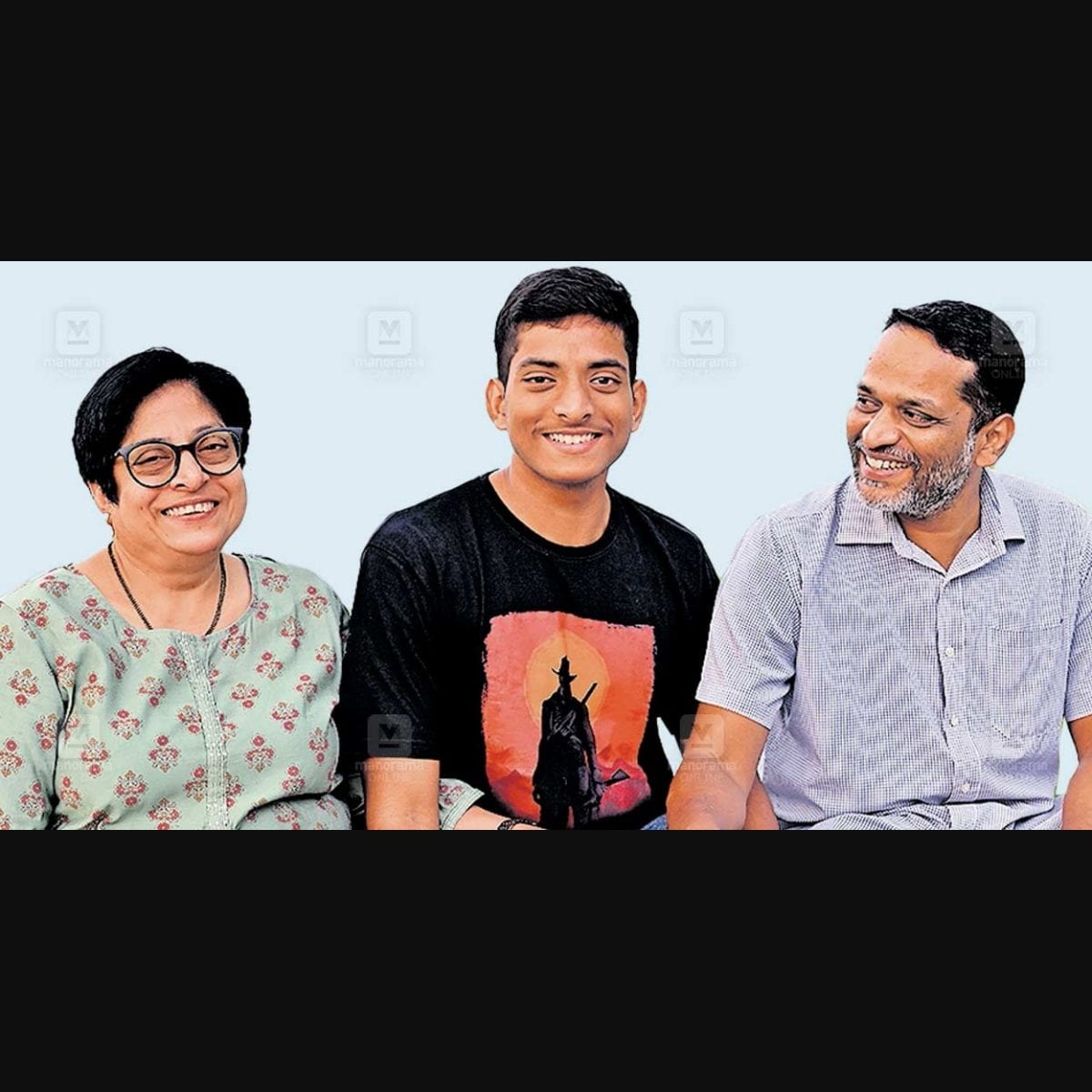
A 15-year-old student from Thiruvananthapuram completed a nine-month journey across India’s villages to understand rural life at close quarters. Yashas S. Das set out in June 2024 with his father, retired Lieutenant Colonel Shelli K. Das, and finished in March 2025 after visiting villages in every state in three stages. The project combined field interviews, short stays in local homes and systematic data collection intended to inform both the student’s studies and a broader public record.
India rural journey reveals everyday realities
Yashas planned the itinerary using Google Maps and a simple rule: visit four villages in large states and two in smaller states. The pair began in Dhal in Raigad district, Maharashtra, and travelled by a mixture of hired motorcycles, trains and public transport. Support came from the family’s local school, where the principal granted Yashas a year off and provided a letter of backing, and from the International Institute of Migration and Development, which supplied training in data collection and relevant software.
On the road the travellers encountered a range of responses. In parts of Himachal Pradesh and Assam local suspicion required police checks. In Mandi district a routine village survey prompted a complaint that outsiders were seeking to proselytise; police examined documents and local records before accepting the travellers’ explanation. In Nagaland, a differently charged exchange followed when the village president revealed that his father had been killed in conflict with the Indian army. The conversation quickly shifted to hospitality and mutual respect, underscoring how history and memory remain present in everyday life.

Long-distance trains offered a concentrated impression of India’s social mix, Yashas later said. Journeying in general compartments exposed him to vivid sensory details and frank conversations. He described the experience as one of the most instructive parts of the trip because it put him in touch with people from many walks of life in a short space of time.
Field findings were not uniformly positive. In Rewa district, Madhya Pradesh, many villagers expressed a clear desire to leave and not return, viewing the city as the path to opportunity. Caste identity often appeared as a primary social marker and respondents sometimes struggled to accept the concept of discrimination as it is understood in academic or policy terms. These observations challenged Yashas’s prior assumptions and informed his analysis.
Throughout, the project emphasised learning rather than activism. The systematic notes and interviews compiled by Yashas were submitted to the International Institute of Migration and Development. The institute used the material as part of a broader educational exercise and the student subsequently rejoined formal education at plus one level.
Asked about his next plans, Yashas said he has applied for a passport and hopes to travel internationally. He added that no matter where he goes he intends to return, because the scale and variety of India’s villages changed his sense of the country’s character. The journey produced practical lessons for a teenager and a rich set of primary observations that may be of interest to scholars, policy makers and readers who want a grounded view of rural India.
Photographs and the travel report remain with the family and the institute, and the experience is now shaping Yashas’s studies and ambitions. His father described the trip as a greater gift than a military career, citing the depth of contact with people and the learning that came from persistent curiosity and respectful engagement.
Key Takeaways:
- India rural journey undertaken by 15-year-old Yashas S. Das and his father lasted nine months, covering every state and many villages.
- The trip combined field research with school support and training from the International Institute of Migration and Development.
- Travellers faced suspicion and practical challenges but recorded deep local insights on caste, migration and everyday resilience.
- The experience produced a report, helped secure further schooling and inspired plans for international travel.