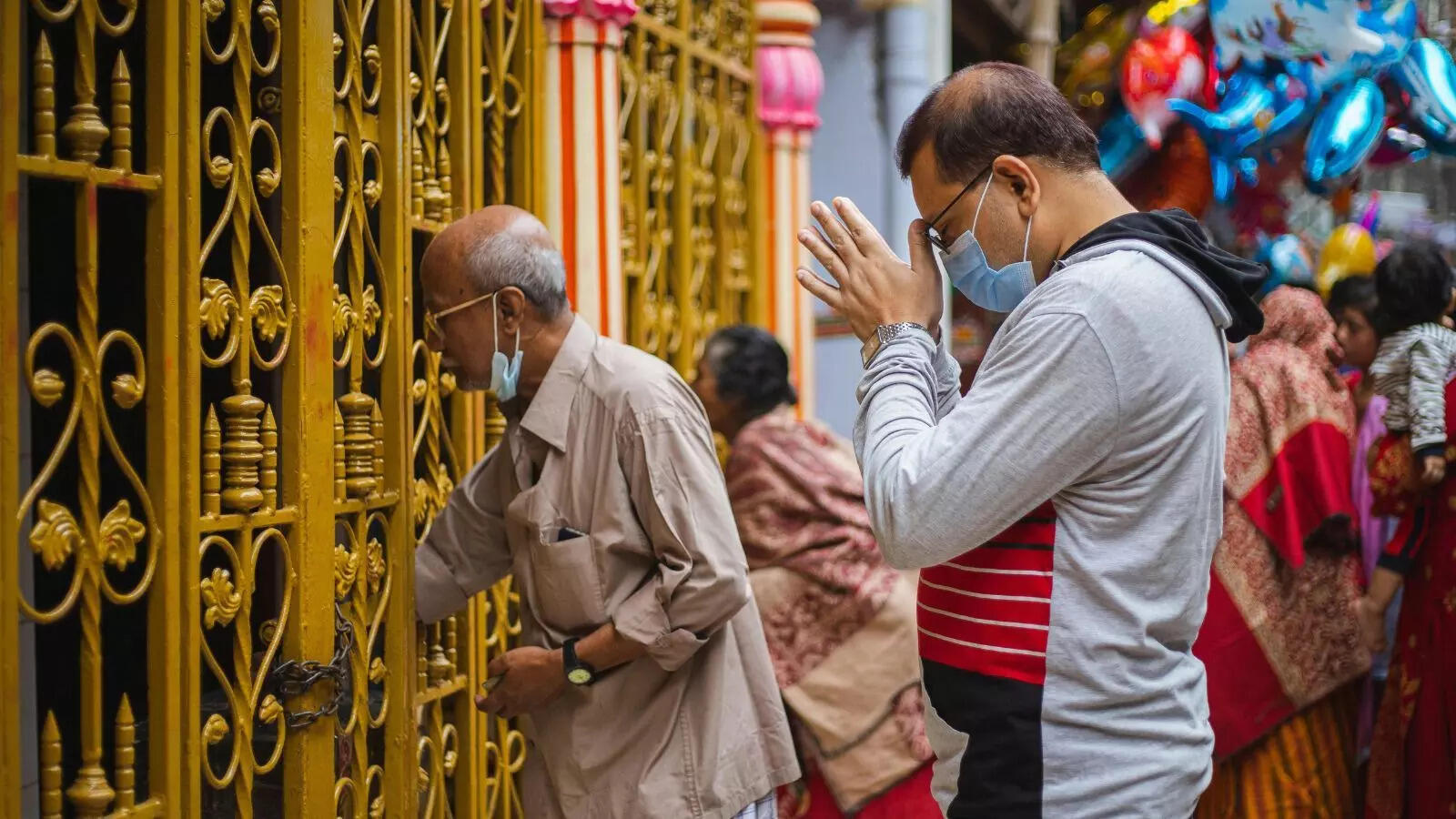
Mauni Amavasya this year is observed on 18 January 2026, and devotees across Tamil Nadu prepare for a day of silence, ritual observance and pilgrimage. The day, falling in the month of Magha, is traditionally marked by vows of silence, offerings to ancestors (tarpana), charity and ceremonial baths in sacred waters. Believers say these practices help purify the mind and may bring spiritual merit.
Mauni Amavasya temples in Tamil Nadu
Several temples in Tamil Nadu attract large numbers of visitors on Mauni Amavasya. Pilgrims travel to these shrines to perform specific rites that local tradition holds will alleviate difficulties and remove negative influences.
Rameswaram remains one of the most frequented destinations. On this day many devotees bathe at the Agni Tirtha and offer worship to the presiding deity, Ramanatha. Local priests note that a ritual dip here is considered highly meritorious, and the shrine sees a steady flow of visitors seeking both ceremonial purification and darshan.

Chaturagiri is often called the ‘Kailash of the Earth’ by devotees. The temple’s sanctum houses a distinctive lingam and the day is observed with special pujas and a sequence of abhishekam ceremonies. Temple authorities report that devotees perform up to eighteen distinct anointing rituals on the idol during the festival observances.
Chidambaram’s Nataraja temple also draws crowds on Mauni Amavasya. Many devotees bathe in the nearby Shiva Ganga pond before taking part in a sequence of offerings. The temple conducts a special abhishekam to the Tilai Kali with 108 medicinal preparations, and occasional rare herbs and spices are presented during the yagna. Worshippers come believing such rites will remove enmity and free them from malevolent influences.
On the Tirumurthy Hill, the Amanalingeswarar temple provides a striking setting for Mauni Amavasya rituals. The hill shrine, where Shiva, Vishnu and Brahma are honoured together, conducts special services and farmers traditionally bring oxen and other offerings as part of the observance.
Kumbakonam’s Ayyavadi temple, dedicated to the Pratyangira Devi, stages a pepper-root vow ritual on each amavasya. Local priests say participation in this yagna on Mauni Amavasya is thought to protect worshippers from harm and adversarial forces.
In Tiruchi’s Uraiyur temple, devotees venerate the deity known as Kungumavalli in ceremonies held specially for the amavasya. The temple’s self-manifested lingam attracts those seeking quiet prayer and ritual observance during the sacred day.
Travelers planning pilgrimages should note that temples may run full-day schedules with peak attendance at dawn. Dress respectfully, follow temple guidance, and consider booking accommodation in advance for popular centres such as Rameswaram and Kumbakonam. While accounts of miraculous results circulate, coverage here reports local traditions and practices as observed by devotees and temple authorities.
For those observing Mauni Amavasya, the day offers structured rituals and communal worship. Whether the aim is ancestral rites, personal purification or simply participation in time-honoured customs, Tamil Nadu’s temples provide a range of ceremonial options for devotees on this significant day.
Key Takeaways:
- Mauni Amavasya falls on 18 January 2026; devotees observe silence, offerings and sacred baths for purification.
- Key Tamil Nadu pilgrimage sites include Rameswaram, Chaturagiri, Chidambaram, Thirumurthy Hill and Ayyavadi in Kumbakonam.
- Temples offer special rites such as Agni Tirtha bathing, multi-ingredient abhishekam and yagnas believed to remove obstacles.
- Practical guidance: arrive early, respect temple rules and partake in prescribed rituals to join local observances.