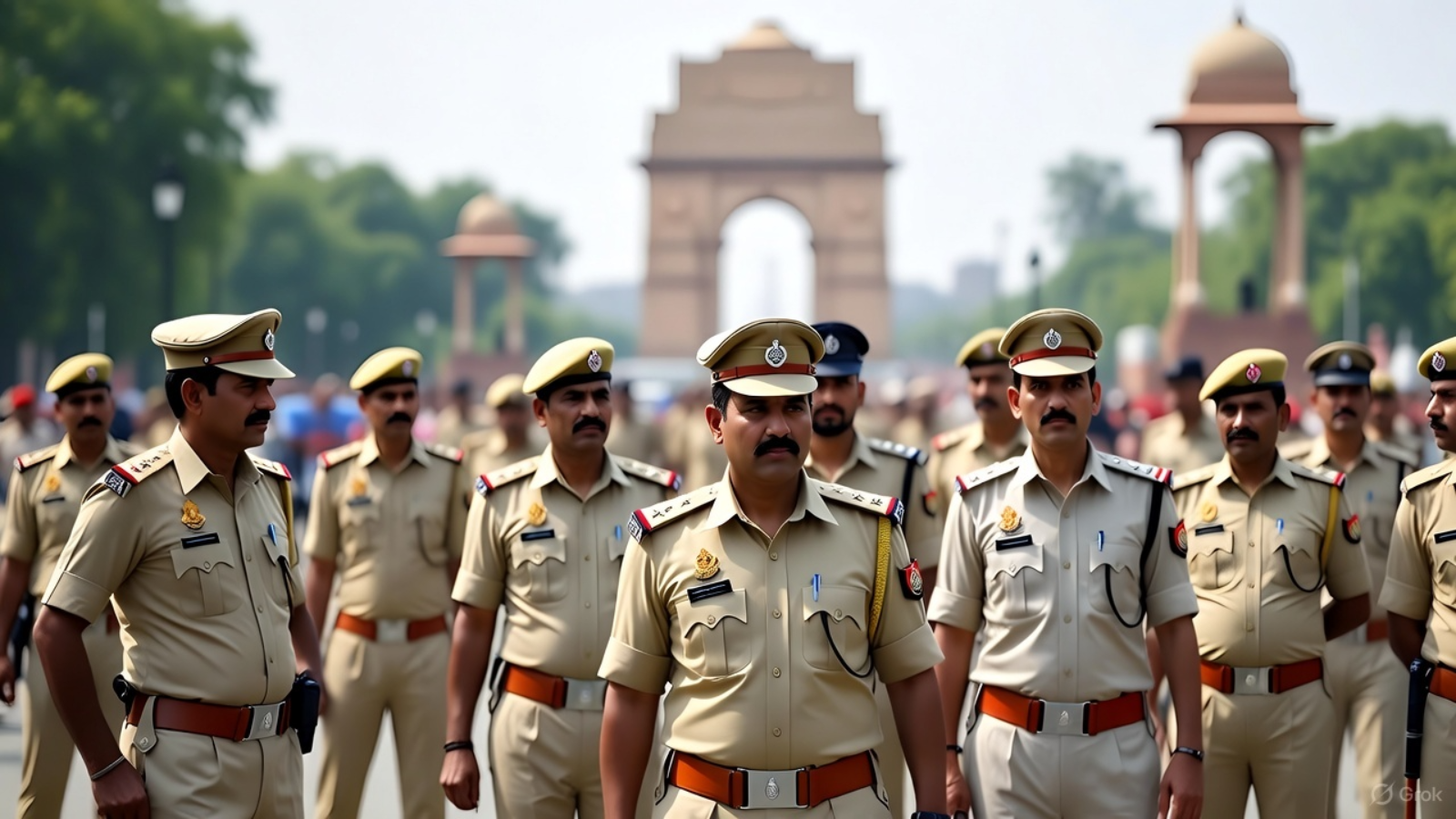
Delhi Police has issued a standing order imposing strict limits on how long staff may occupy sensitive administrative positions, a move officials say is designed to enhance transparency and fairness within the force.
Delhi Police rotation policy and its rules
The standing order, signed by Police Commissioner Satish Golcha, stipulates that personnel assigned to sensitive roles in police stations — notably the chittha munshi who prepares duty rosters and the duty officer — will not serve in those positions for more than one year. Similar limits apply to staff responsible for making duty rosters in traffic divisions and battalions.
Appointments to the chittha munshi role will be drawn only from Head Constables, Assistant Sub-Inspectors (ASI) or promoted Sub-Inspectors (SI). Once an officer or constable completes a term as chittha munshi, they will not be reappointed to the same police station or within the same sub-division area. Instead of remaining at a desk, they are expected to return to field duties.

For a range of other posts deemed sensitive — including ministerial staff, general store in-charges, personnel involved in procurement and officers handling postings and transfers — the standing order mandates rotation every two years. The document also requires at least a five-year gap before a police member may be posted to a similar role in another district or unit.
Officials said the guidelines were the result of careful consideration and are intended to reduce opportunities for misuse of administrative authority and to ensure impartiality in routine police functions. District and unit senior officers have been instructed to monitor implementation closely: deputy commissioners of police (DCPs) will include compliance checks during their station, lines and traffic circle visits.
The standing order also addresses transfers and terminal postings. Police personnel will not be subject to a general transfer within two years of their scheduled retirement. Officers who have completed the age of 58 and are seeking terminal postings will be given options and may select a suitable assignment. Decisions on transfers and terminal posting requests will be taken by the personnel department on the basis of vacancies, qualifications, skills and administrative need.
Police sources said the measures aim to strengthen internal controls by limiting prolonged occupancy of posts that confer administrative influence. Requiring shorter tenures and mandatory rotations seeks to curb the consolidation of informal influence that can arise when staff remain in a single sensitive role for extended periods.
Implementation will be phased in across all districts and units, with periodic reviews to assess operational impact and compliance. The force has emphasised that while the order seeks to institutionalise good governance, it will also balance operational requirements to ensure frontline policing remains effective.
Observers welcomed the move as a step towards greater accountability in one of India’s largest metropolitan police forces. By codifying rotation and appointment rules, the standing order intends to create clearer career pathways for personnel and reduce discretionary influence over administrative matters that affect policing at the local level.
Key Takeaways:
- Delhi Police introduces a one-year maximum tenure for sensitive postings such as chittha munshi and duty officers under a new standing order.
- The standing order requires appointments for these roles to come from Head Constable, ASI or promoted SI ranks and bars reappointment in the same station or sub-division.
- Ministerial staff and officers handling postings, procurement and inventories will face mandatory rotation every two years, with a minimum five-year gap before similar assignments elsewhere.
- District DCPs will conduct regular compliance checks; transfers near retirement and terminal posting options will be handled by the personnel department.