Vietnam’s agricultural sector staged a remarkable recovery in 2025, lifting total farm, forestry and fishery exports to about US$70 billion, government sources report. Fruit and seafood led the rebound as exporters and authorities worked to overcome technical barriers and trade frictions.
Vietnam agricultural exports: drivers and markets
Rau quả (fruit and vegetable) exports were a standout, earning US$8.6 billion, roughly a 20% increase year‑on‑year. The performance marks the third consecutive year of record fruit shipments, with durian, banana, mango, jackfruit, coconut and pomelo among the top earners. Durian alone approached US$4 billion in value and remains the category’s principal driver.
China continued to be the dominant destination, taking more than 60% of Vietnam’s fruit exports. Despite early‑year disruptions when Chinese authorities tightened residue controls on certain substances, coordinated action by Vietnam’s Ministry of Agriculture and Rural Development, the Ministry of Industry and Trade and other agencies helped restore flows. Authorities secured approvals for testing laboratories, negotiated additional planting‑area codes and packing facilities, and established a green channel for priority shipments.

Exports to the United States also expanded, rising more than 50% to around US$500 million despite tariff concerns. European markets delivered a notable advance as well, with fruit shipments to the EU up 40% compared with 2024 and a halving of sanitary and phytosanitary alerts to about 60 instances, mainly small consignments.
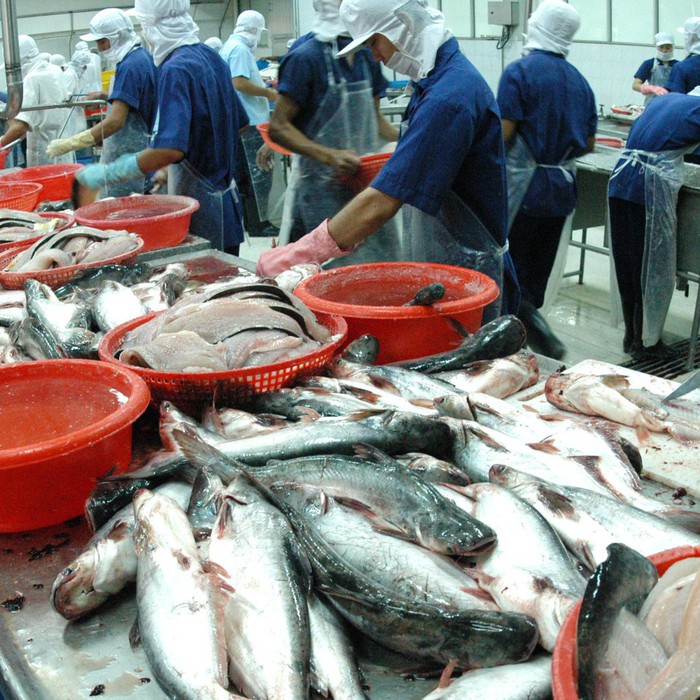
Seafood also recorded its best year on record, with exports totalling US$11.32 billion. Traders adjusted rapidly when Washington signalled possible retaliatory tariffs and anti‑dumping probes. Some exporters accelerated shipments in anticipation of measures, while others shifted volumes to alternative markets. In the first 11 months of 2025, China became Vietnam’s largest seafood market, taking 20.2% of shipments, followed by the United States at about 17% and Japan at US$1.6 billion.
Growth in certain species was dramatic. Lobster exports surged — largely to China — where Vietnam avoided retaliatory levies faced by suppliers from Canada and the United States. Proximity helped keep transport time and losses low, supporting competitive pricing for live and chilled products.
The Comprehensive and Progressive Agreement for Trans‑Pacific Partnership (CPTPP) remained a stabilising force, with tariff advantages supporting demand from Japan, Canada and Australia. Exports to the EU of farmed seafood also topped US$1 billion, driven by aquaculture items that are less affected by illegal, unreported and unregulated (IUU) fishing rules.
Looking ahead, the Ministry of Agriculture and Rural Development has set an ambitious target of US$73–74 billion for 2026. The ministry plans to bolster domestic processing capacity, connect producers with procurement channels and open new markets in the Middle East and Africa. Sector representatives say a US$9–10 billion target for fruit exports in 2026 is realistic if current market access and quality controls hold.
Industry leaders caution that uncertainties remain. Persistent tariff threats from the United States, technical barriers in key markets and the EU’s IUU yellow card for some fisheries present risks. The sector will need continued regulatory engagement, improved residue control and logistics upgrades to preserve momentum.
For now, Vietnam’s agricultural exporters have demonstrated resilience and adaptability, turning early setbacks into a year of robust gains and setting a platform for further expansion in 2026.
Key Takeaways:
- Vietnam agricultural exports hit US$70 billion in 2025, driven by strong fruit and seafood sales.
- Fruit exports reached US$8.6 billion with China accounting for over 60% of demand.
- Seafood set a record at US$11.32 billion amid market shifts toward China and CPTPP benefits.