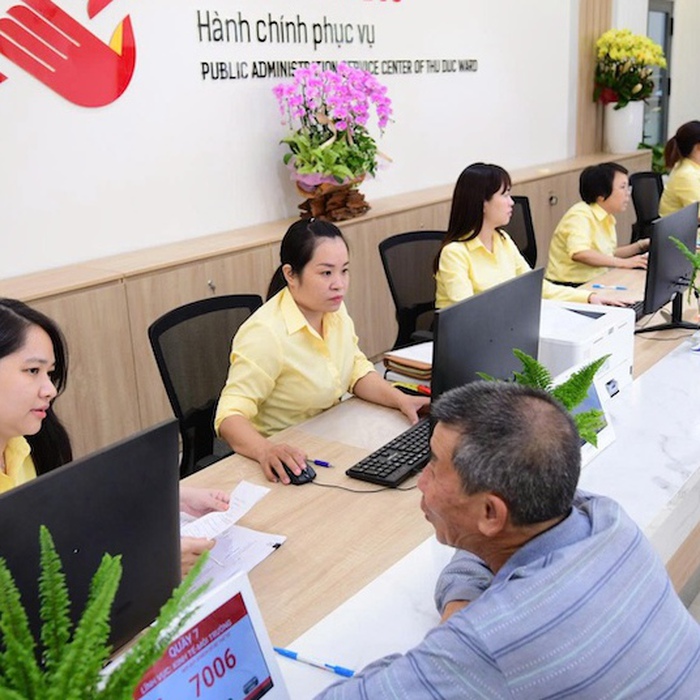
The Ministry of Home Affairs has issued guidance to Khánh Hòa province on resolving outstanding questions about salaries and allowances for commune- and ward-level officials as Vietnam reorganises local government structures. The measures aim to provide continuity for non-specialist local functionaries and to preserve special allowances for areas with difficult economic conditions.
The ministry reaffirmed that payments to people who perform non-specialist functions at commune level should continue at the rates set by provincial and municipal people’s councils prior to the two-tier government reorganisation. Where a provincial council wishes to adopt a single allowance level after reorganisation, it may do so by issuing a decision that harmonises one of the existing council resolutions.
Vietnam local government allowances
Importantly, the ministry made clear that provinces must not aggregate separate allowance pools from former administrative units into a single lump-sum fund for the new commune. That prohibition is intended to avoid arbitrary recalculation of pay for individual posts and to protect entitlements that had been set under previous resolutions.

Under the current transition rules derived from decisions of the Central Committee and government decrees, temporary arrangements for placing and compensating non-specialist commune officials will remain in force until 31 May 2026. The ministry pointed to Decree 154/2025 and related guidance as the legal basis for these transitional measures.
The guidance also addresses special regimes for cadres, civil servants and employees who serve in areas with particularly difficult socio-economic conditions. Citing Decree 76/2019 and subsequent resolutions, the ministry instructed that existing special allowances and policies continue to be applied to the personnel in question until competent authorities issue alternative decisions.
According to the ministry, the Government’s Steering Committee on administrative reorganisation has issued specific letters that preserve allowance categories and set out which payments should be maintained unchanged. Official correspondence has asked the Ministries of Ethnic Affairs and Agriculture and Environment to review and propose updates to the list of areas that qualify as particularly difficult, so that allowances for attraction and other targeted policies can be properly applied.
The ministry emphasised that where an administrative unit changes its name during reorganisation, the new name should be used for the continued implementation of special regimes. The substance, coverage and recipients of those regimes, however, must remain as they were before the reorganisation until further amendment by authorised bodies.
For local governments, the guidance provides clarity on two practical points: the preservation of pre-existing allowance rates for non-specialist commune staff, and the continued application of hardship-area policies while the Government finalises boundary and designation reviews. Officials and payroll administrators are expected to follow the ministry’s instructions to ensure stable incomes and to avoid disruption during the transition period.
The ministry’s direction is intended to ease the administrative transition that comes with consolidating local government units, while protecting the rights of public servants and preserving incentives that support service delivery in disadvantaged localities.
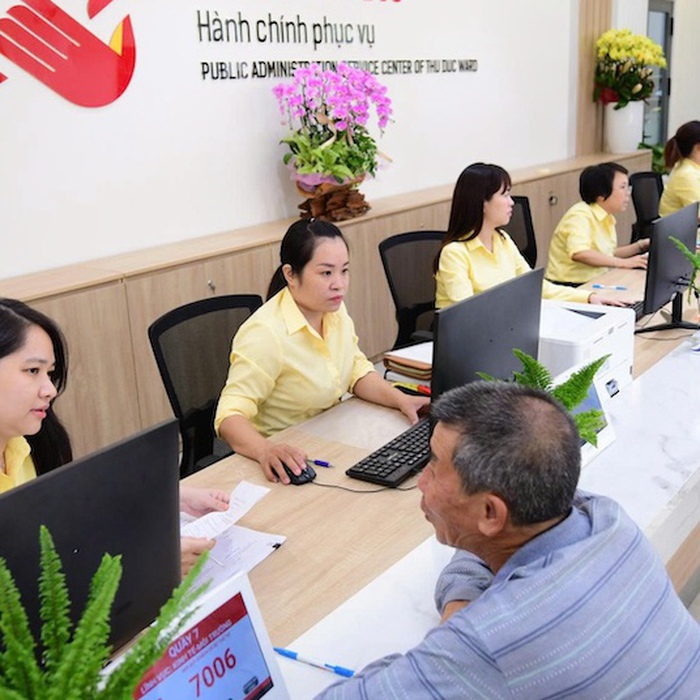
Key Takeaways:
- Ministry of Home Affairs clarifies allowance and salary arrangements for commune-level non-specialist officials under administrative reorganisation.
- Existing allowance levels remain in effect until 31 May 2026 or until provincial decisions adopt a single unified rate.
- Special-region and hardship-area policies under Decree 76/2019 are preserved until further notice, with ministries asked to review hardship-zone designations.