Key Takeaways:
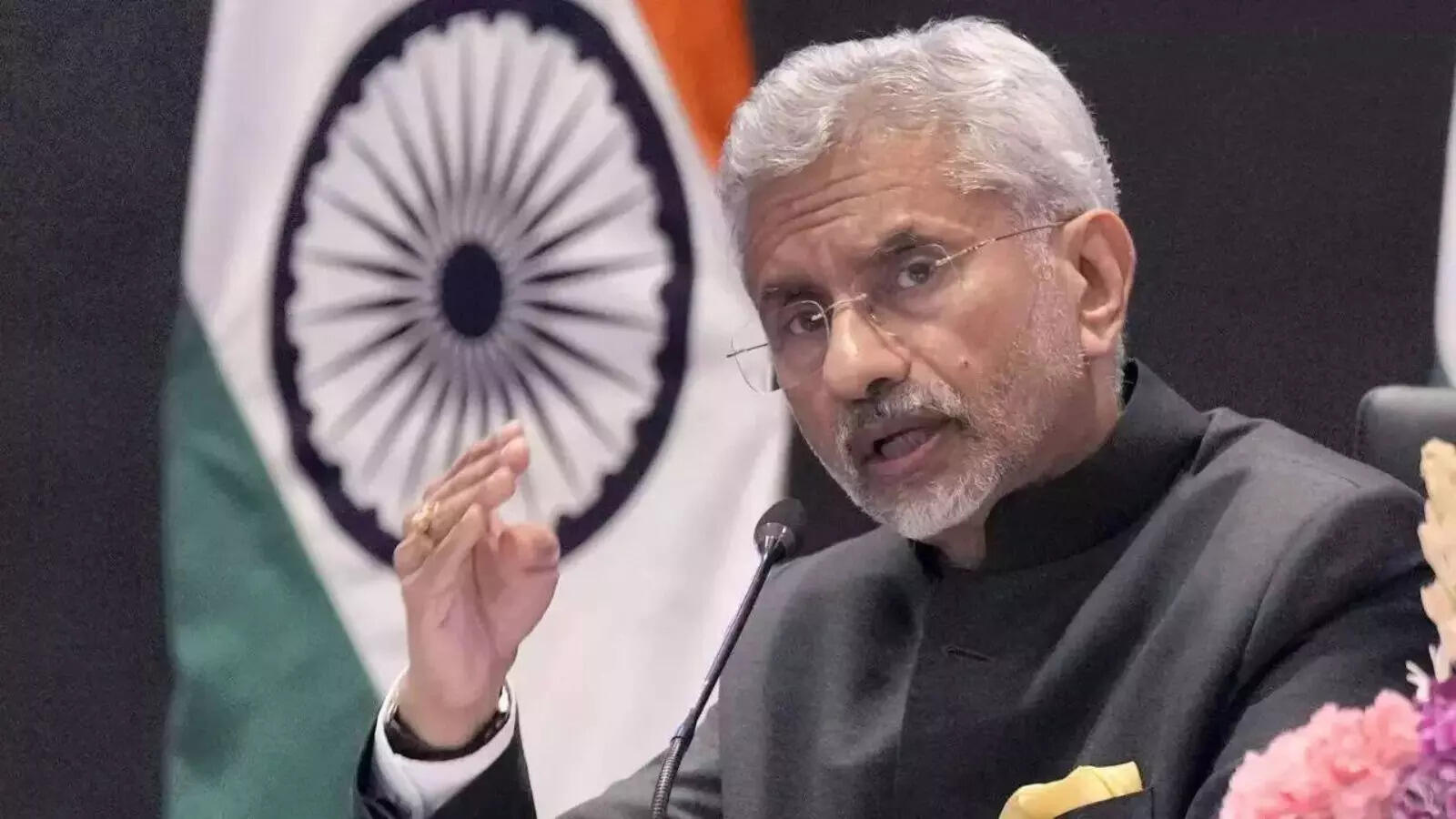
- India’s Foreign Minister S Jaishankar will visit Dhaka on 31 December to represent the government at Khaleda Zia’s funeral.
- Prime Minister Narendra Modi and opposition leader Rahul Gandhi expressed condolences, highlighting the significance of India-Bangladesh relations.
- Khaleda Zia, three-time prime minister and BNP leader, died at 80 after prolonged illness and treatment in Dhaka.
- The visit underscores diplomatic respect and continued cooperation between the two countries.

India’s External Affairs Minister S Jaishankar will travel to Dhaka on 31 December to represent the Government of India and the Indian people at the funeral of former Bangladeshi prime minister Begum Khaleda Zia, the Ministry of External Affairs has confirmed.
Khaleda Zia, who led the Bangladesh Nationalist Party (BNP) and served three terms as prime minister, died on Tuesday morning at Evercare Hospital in Dhaka at the age of 80 after a prolonged illness. Her party announced that she passed away shortly after the Fajr prayer. Bangladeshi media reported that she had been treated for heart and lung complications and battled pneumonia in recent weeks.
India-Bangladesh relations
The decision to send Mr Jaishankar is a customary diplomatic gesture that signals respect and solidarity in a moment of national mourning. Prime Minister Narendra Modi offered his condolences on social media, recalling a cordial meeting with Khaleda Zia in Dhaka in 2015 and paying tribute to her contributions to her country’s development and to bilateral ties.
Opposition leader Rahul Gandhi also expressed his sympathy for Zia’s family and the people of Bangladesh. Their public messages reflect the cross-party recognition in India of the importance of maintaining strong engagement with Bangladesh.
Khaleda Zia’s long political career shaped Bangladeshi politics for decades. In recent years she suffered from chronic health problems that required a specialist medical team which included physicians from the United Kingdom, the United States, China and Australia. There were discussions about transferring her abroad for treatment, but doctors advised against international travel because of her frail condition.
The visit by the external affairs minister will likely be brief and focused on formal condolences and meetings with Bangladeshi officials. Such representation is a familiar element of diplomacy and signals continuity in India-Bangladesh relations even during sensitive moments for the neighbouring state.
Analysts say the gesture reinforces the two countries’ tradition of close contact on matters of mutual interest, from trade and connectivity to cultural exchange and border management. While the funeral is a solemn occasion, it also provides an opportunity for high-level officials to exchange condolences and reaffirm commitments to sustaining bilateral cooperation.
For India, participation in the funeral ceremonies honours an established political figure and preserves channels for dialogue with Bangladeshi leaders across the political spectrum. For Bangladesh, such visits by foreign dignitaries are a mark of international recognition and respect during a period of national grief.
Mr Jaishankar’s scheduled travel to Dhaka follows official protocol and will represent the Indian government at the funeral on behalf of the prime minister and the people of India. Further details about his itinerary and bilateral engagements, if any, will be released by the ministry in due course.