Key Takeaways:
- Eight popular electric models in India have received five-star ratings from the Bharat New Car Assessment Programme, signalling improved vehicle safety standards.
- Manufacturers such as Tata, Mahindra and Maruti Suzuki are prioritising crash protection and advanced safety systems for EV buyers.
- Safest electric cars India now include models across price segments, offering consumers safer choices from budget to premium SUVs.

India’s electric vehicle market has taken a notable step forward in safety. The Bharat New Car Assessment Programme (Bharat NCAP) has awarded five-star crash-test ratings to eight electric models sold in the country, reflecting stronger crash protection and expanded safety features across price segments.
Safest electric cars India and the eight five-star models
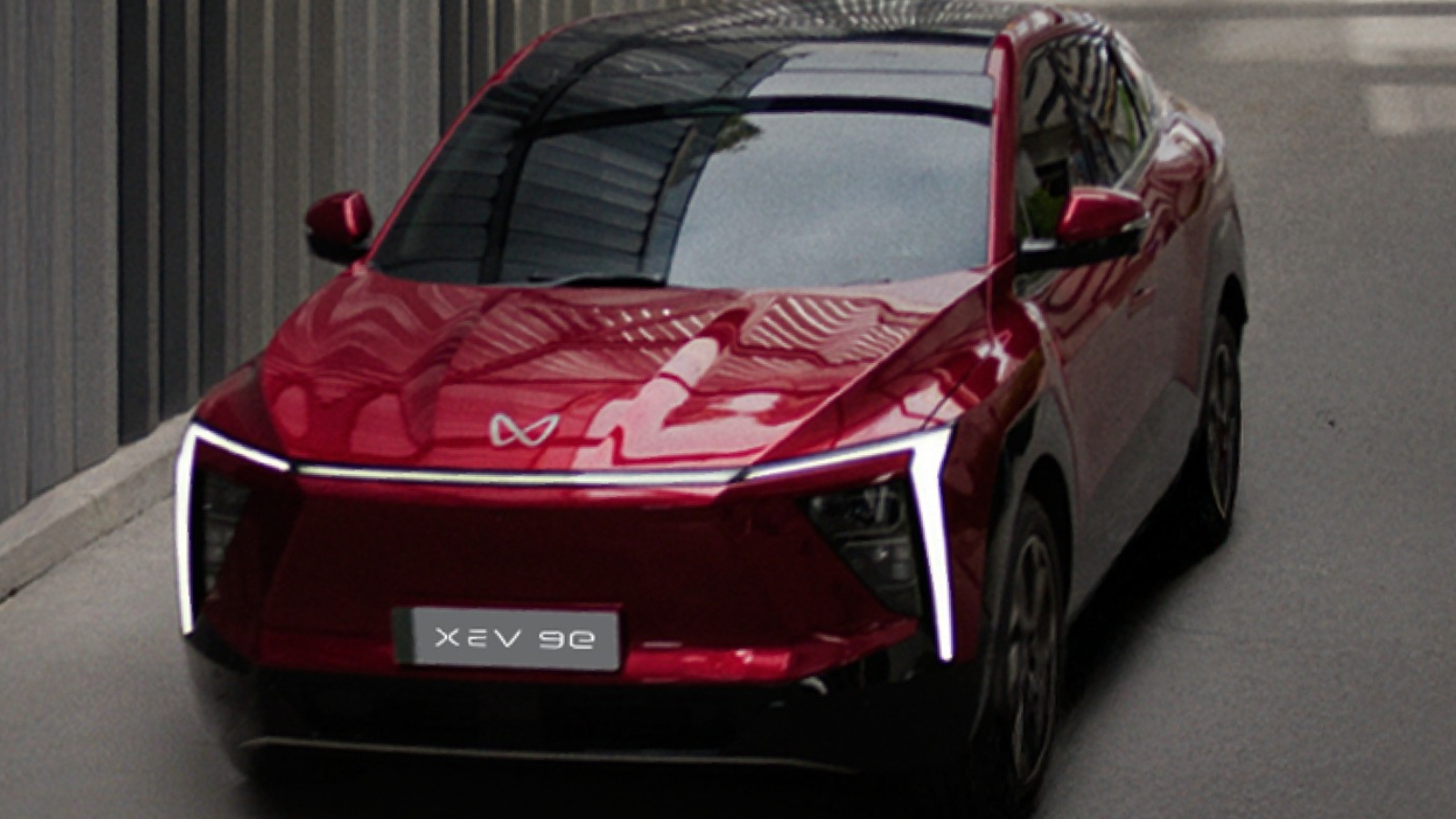
The list of five-star recipients includes Tata’s Harrier EV, Nexon EV, Curvv EV and Punch EV, Mahindra’s XEV 9e, XUV400 and BE6, and the Maruti Suzuki e-Vitara. These ratings follow rigorous crash testing and assessment of occupant protection, structural integrity, and available active safety technologies.
Manufacturers are increasingly designing EVs with dedicated safety cell structures, multiple airbags, electronic stability control and ISOFIX child-seat anchors as standard or widely available options. Several of the five-star models also benefit from advanced driver-assistance systems, which reduce the likelihood of collisions and mitigate injury severity.
Price points among the five-star models span from entry-level to premium. The Tata Punch EV is one of the most affordable five-star EVs, with ex-showroom pricing starting around ₹9.99 lakh. At the higher end, the Tata Harrier EV and Mahindra XEV 9e are positioned as premium electric SUVs, with prices that can reach around ₹30 lakh in select configurations. This spread suggests improved safety access across a broader section of car buyers.
For consumers, a five-star Bharat NCAP rating provides an independent benchmark for safety when comparing models. The assessment evaluates crashworthiness, the protection offered to adult and child occupants, and the provision of active safety aids such as electronic stability control and autonomous emergency braking where fitted.
Automotive industry analysts say the rise in five-star ratings among electric models is the result of both regulatory pressure and market demand. As EV adoption grows, manufacturers face scrutiny not only for range and performance but also for occupant protection. Safer structures and comprehensive restraint systems have become selling points in marketing and product planning.
Dealers and safety advocates note that while a five-star rating is a strong indicator of crash safety, real-world protection also depends on correct use of seat belts, child restraints and maintenance of safety systems. Buyers should check the exact safety specifications of the trim they intend to purchase, since features can vary between variants.
Ultimately, the emergence of multiple five-star electric cars in India strengthens consumer confidence in the EV transition. With leading domestic manufacturers prioritising safety, the market is likely to see further improvements in both passive and active protection technologies as EV production scales up.
Prospective buyers should review Bharat NCAP test reports, compare safety feature lists and consider how a model’s safety equipment aligns with daily driving needs. The recent five-star results provide a useful guidepost for safer electric mobility in India.