Key Takeaways:
- Professor Gopakumaran Nair has been elected to the Executive Committee of the Indian History Congress, recognising his contributions to Kerala history.
- Gopakumaran Nair served as founding General Secretary of the Kerala History Congress and teaches history at Government Arts College, Thiruvananthapuram.
- He is an approved research supervisor at the University of Kerala and has guided numerous doctoral projects in Kerala history.
- The appointment is expected to strengthen Kerala’s representation in national historical scholarship.

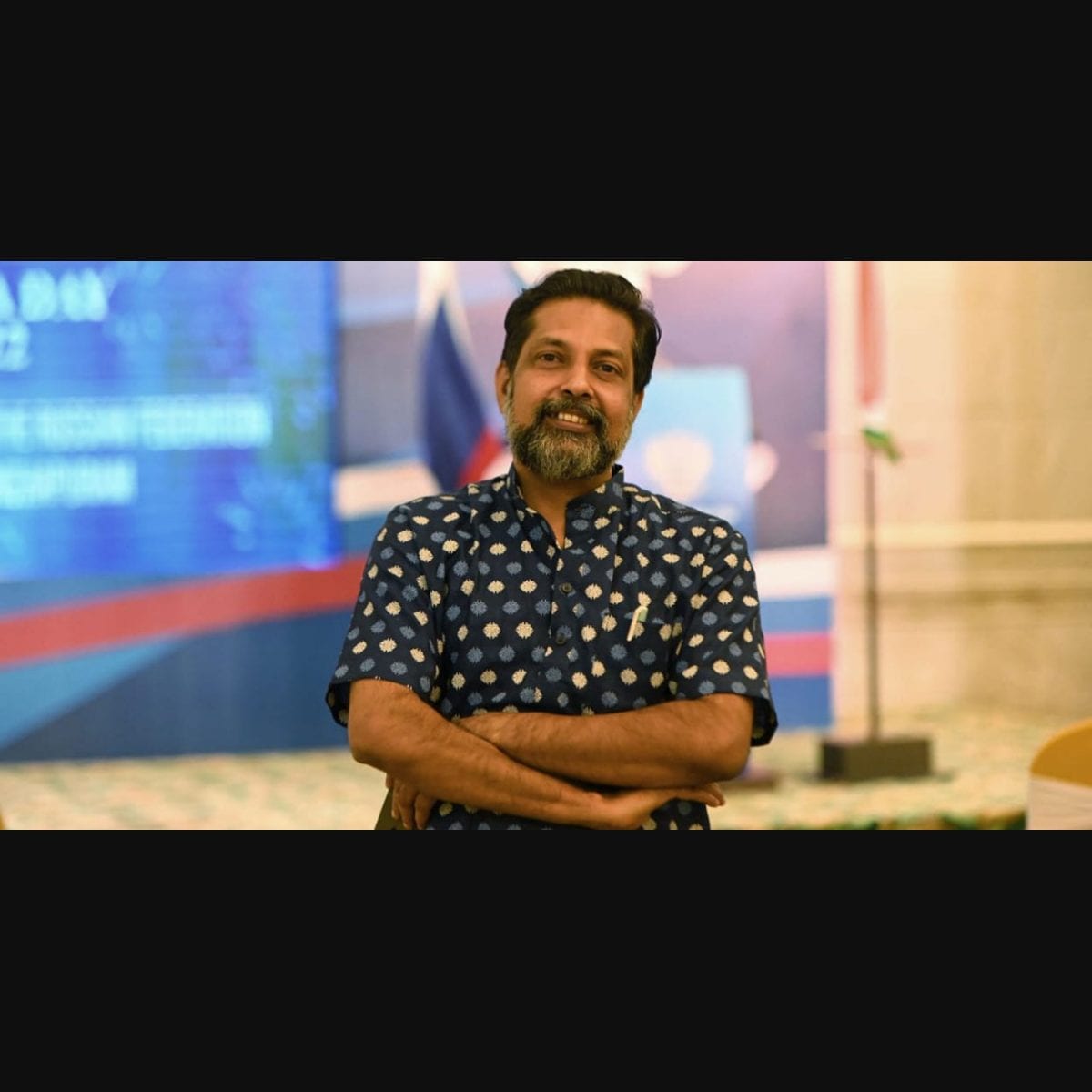
Professor Gopakumaran Nair Elected to Indian History Congress Executive Committee
Professor Gopakumaran Nair has been elected as a member of the Executive Committee of the Indian History Congress, one of the country’s foremost platforms for historical scholarship. The appointment follows a long career dedicated to the study of Kerala’s history and reflects his standing in the academic community.
Gopakumaran Nair Indian History Congress
Professor Nair is a senior member of the history faculty at Government Arts College, Thiruvananthapuram. He played a central role in establishing the Kerala History Congress, serving as its founding General Secretary. Colleagues and students recognise him for his sustained contributions to regional historiography and for nurturing a generation of researchers focused on Kerala’s past.
At the University of Kerala, Professor Nair is an approved research supervisor and has guided numerous doctoral candidates. His work spans social, cultural and political histories of the region and has informed both academic debates and public understanding of Kerala’s historical development. The Indian History Congress appointment provides a national platform from which he can further promote scholarship on Kerala and contribute to broader historiographical discussions.
The Indian History Congress brings together historians from across India to present research, debate interpretations and set scholarly agendas. Members of its Executive Committee are responsible for helping to shape conference programmes, encourage research collaboration and advise on the organisation’s activities. Professor Nair’s election suggests confidence in his ability to contribute to these tasks and to represent the interests of southern India within national forums.
Observers note that increased representation from Kerala within national academic bodies can help bring regional perspectives into conversation with wider national narratives. Professor Nair’s experience as an academic administrator and as a mentor to early career scholars positions him to support initiatives that foster research excellence and wider dissemination of regional studies.
Students at Government Arts College and scholars who have worked with Professor Nair welcomed the news. Many highlighted his commitment to rigorous archival research and to training postgraduate students in methodological approaches. His scholarship has addressed topics that include social change, land relations and the evolution of political institutions in Kerala.
Looking ahead, Professor Nair is expected to participate in the Indian History Congress’s upcoming sessions, contribute to panel organisation and help identify areas for collaborative research projects. His election offers an opportunity for Kerala historians to engage more closely with peers across India and to advance research that situates regional histories within national and comparative frameworks.
For the academic community in Thiruvananthapuram, the appointment is a mark of recognition for work carried out over decades. It is also a reminder of the continuing importance of regional scholarship in enriching the study of India’s past.