Key Takeaways:
- Centre has advised Haryana to reduce the proportion of the health budget spent on salaries from 70% to 50%.
- Recommendations include staff rationalisation, targeted recruitment and redeployment to free funds for medicines and services.
- Experts warn that cuts must protect frontline services and public health programmes while improving fiscal efficiency.
- State response and implementation plan will determine impact on healthcare delivery and fiscal space.

Centre Directs Haryana to Cut Salary Share in Health Budget to 50%
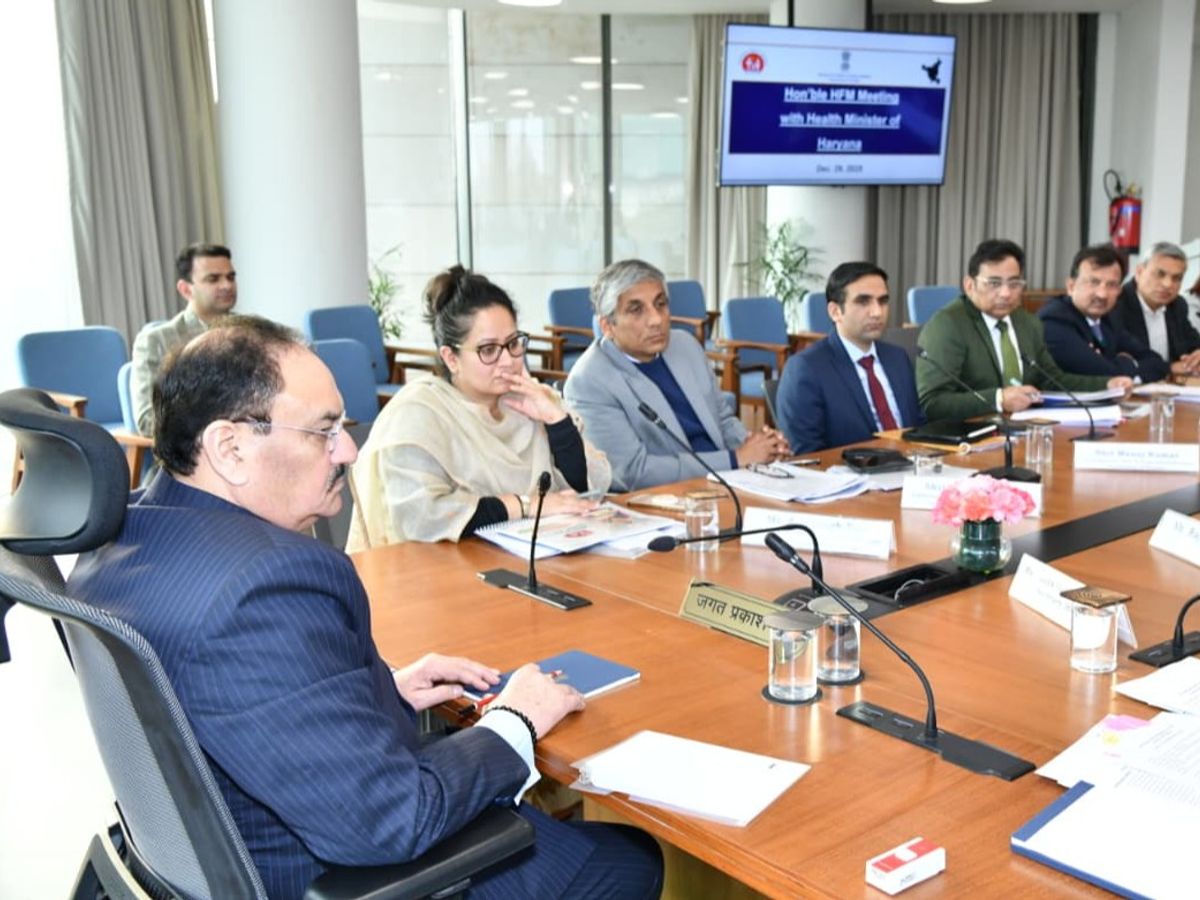
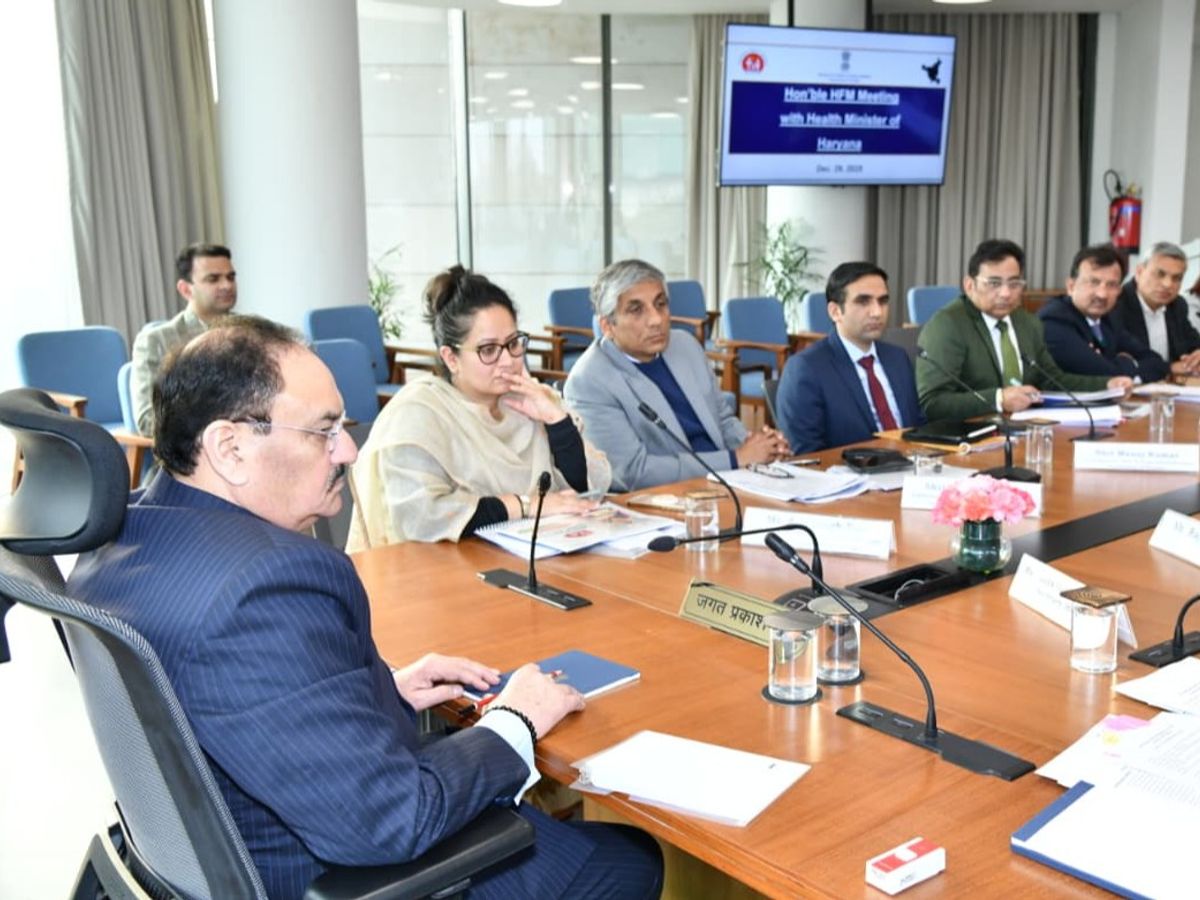
The central government has advised the Haryana administration to reduce the share of its health budget devoted to salaries, currently around 70%, to no more than 50% in order to create fiscal space for medicines, infrastructure and public health programmes. The directive, issued to state officials, also recommended staff rationalisation and targeted recruitment to improve efficiency without undermining core services.
Haryana health budget and why salary share matters
When a disproportionate share of a health budget is consumed by salaries, less funding remains for essential medicines, diagnostics, primary care, maintenance and capital investments. The centre’s recommendation aims to rebalance expenditure so that operational and patient-facing services receive adequate funding.
Officials note that salary-driven budgets can also constrain the state’s ability to respond to public health emergencies and roll out preventive programmes. By bringing down the salary component, the state would, in theory, free up resources for supplies, diagnostics and facility upgrades that directly affect patient outcomes.
Central authorities suggested several approaches to reach the 50% target. These include a hiring freeze for non-essential posts, redeployment of surplus staff to underserved facilities, contractual appointments for certain roles, voluntary retirement schemes where feasible, and a review of salary scales and allowances to remove distortions. Digital tools and improved human-resource planning were recommended to match workforce deployment with service needs.
Healthcare experts welcomed the emphasis on fiscal prudence but warned against blunt cuts that could reduce service quality. “Rationalisation needs to be evidence-based,” said a public health policy analyst. “If staff reductions occur without strengthening primary care and supply chains, the public will face longer waits and poorer outcomes. The aim should be efficiency, not austerity for its own sake.”
State health officials are expected to prepare a response outlining a phased plan to meet the centre’s recommendation while safeguarding frontline services. That plan will likely include a detailed staff audit, mapping of vacant and surplus positions, and proposals for redeployment and retraining. Timing will be critical: sudden budgetary shifts in the middle of a fiscal year could disrupt ongoing programmes such as routine immunisation and maternal health services.
Financial analysts say that reducing salary expenditure can expand fiscal space, enabling investment in procurement of medicines, diagnostic equipment and the upkeep of primary health centres. Such investments are often more visible to patients and can yield quicker improvements in health indicators than incremental increases in staffing alone.
Ultimately, the outcome will depend on how the state balances the twin imperatives of fiscal efficiency and uninterrupted service delivery. A carefully sequenced plan with stakeholder engagement, transparent metrics and safeguards for essential services could help Haryana meet the centre’s target while improving health outcomes for residents.