Key Takeaways:
- Companies such as Blinkit, Zomato and Zepto are expanding dark stores to capture rising demand in tier-2 and tier-3 cities, lowering costs and break‑even thresholds.
- Digital platforms and localised offerings — from regional-language content to faux‑premium goods — are converting previously hard‑to‑reach consumers.
- Meesho’s successful IPO and rising streaming and delivery penetration show scalable opportunities across India’s smaller urban centres.

Companies from quick‑commerce players to fast fashion chains are redesigning their models to tap a new wave of consumers outside India’s biggest metropolitan areas. Once overlooked as too frugal or too dispersed, residents of tier‑2 and tier‑3 cities are now at the centre of an expanding retail and delivery market that could reshape national consumption patterns.
quick-commerce in India’s tier-2 and tier-3 cities reshapes retail
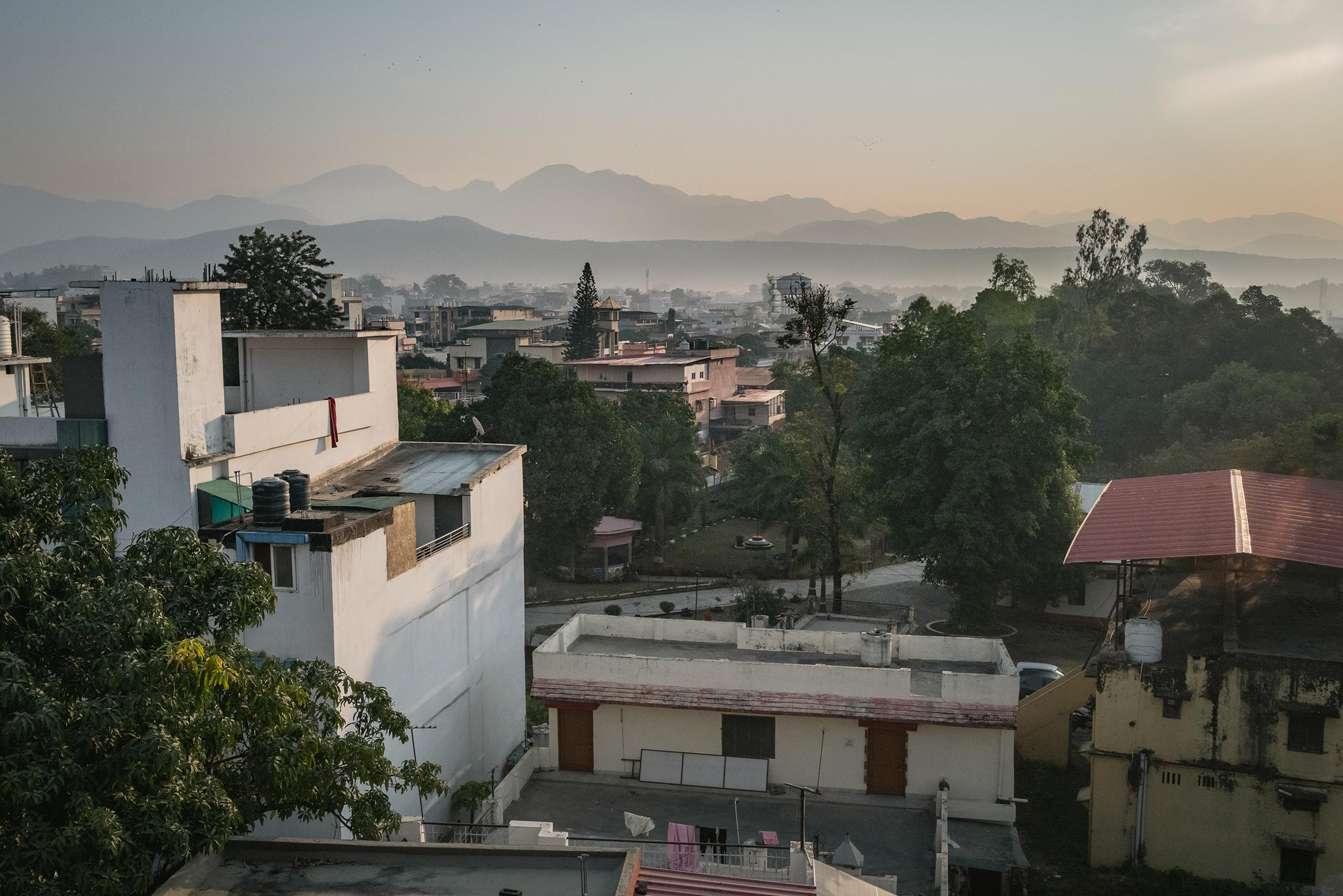
In Dehradun, Zudio’s three‑storey outlet sits above local tea stalls and biryani counters, offering clothing and beauty products priced for smaller cities. The store’s success mirrors a broader trend: brands that adapt pricing, assortment and marketing to local tastes are winning where global incumbents have stalled. Fast fashion, streaming services and instant delivery platforms are all adjusting their playbooks to reach a more price‑sensitive but aspirational audience.
Quick‑commerce firms including Blinkit, Zomato’s InstaMart, Zepto and Swiggy are central to the shift. Lower real‑estate costs make dark stores cheaper to operate outside major metros; research cited by Emkay Global shows a dark store in a tier‑2 city can break even on roughly 800 orders a day, compared with about 1,300 in a top‑tier city. That gap, combined with lighter competition, offers a viable path to scale.
Localisation goes beyond logistics. Companies are tailoring assortments, experimenting with regional languages and promoting lower‑price, aspirational products that mimic premium brands. Meesho’s recent IPO, which pushed its valuation to about $8.5 billion, underlines the commercial potential: nearly 90 per cent of Meesho’s buyers are from outside India’s biggest cities. Streaming platforms have followed, introducing mobile‑only plans and vernacular content to grow subscriber bases — Netflix exceeds 15 million subscribers in India, Amazon’s Prime Video counts more than 18.5 million, and JioHotstar has built a platform with over 300 million users.
The expansion is also changing local labour markets. Delivery drivers and dark‑store staff in smaller cities often see these roles as a step up from traditional local work. Lower operating costs and improved roads and airports make these cities more attractive for both companies and workers.
Still, the opportunity is not uniform. India’s sharp inequality means discretionary spending remains concentrated among a relatively small share of households. Firms must earn trust, shape habits and demonstrate value to convert light users into frequent customers. Language diversity — with 22 national languages — further complicates national rollouts, requiring nuanced content and marketing strategies.
Global brands have learned this lesson the hard way. Several international firms have struggled when they failed to adapt products to local preferences or pricing realities. Successful entrants have either redesigned products for Indian needs or partnered with domestic players to close the gap.
For investors and policymakers, the emergence of quick‑commerce and tailored retail in smaller cities signals both opportunity and risk. If managed sustainably, the expansion could broaden consumption, create jobs and deepen digital inclusion. For companies, the path to growth runs through localisation — matching assortments, price points and delivery expectations to the new consumers who are steadily reshaping India’s retail market.