Key Takeaways:
- Uttar Pradesh plans to deploy electric buses in every district, boosting clean public transport and connectivity.
- The state modernises services that have linked villages and cities, aiming to reduce emissions and operating costs.
- Investment in charging infrastructure, training and fleet upgrades will be central to the rollout of Uttar Pradesh e-buses.

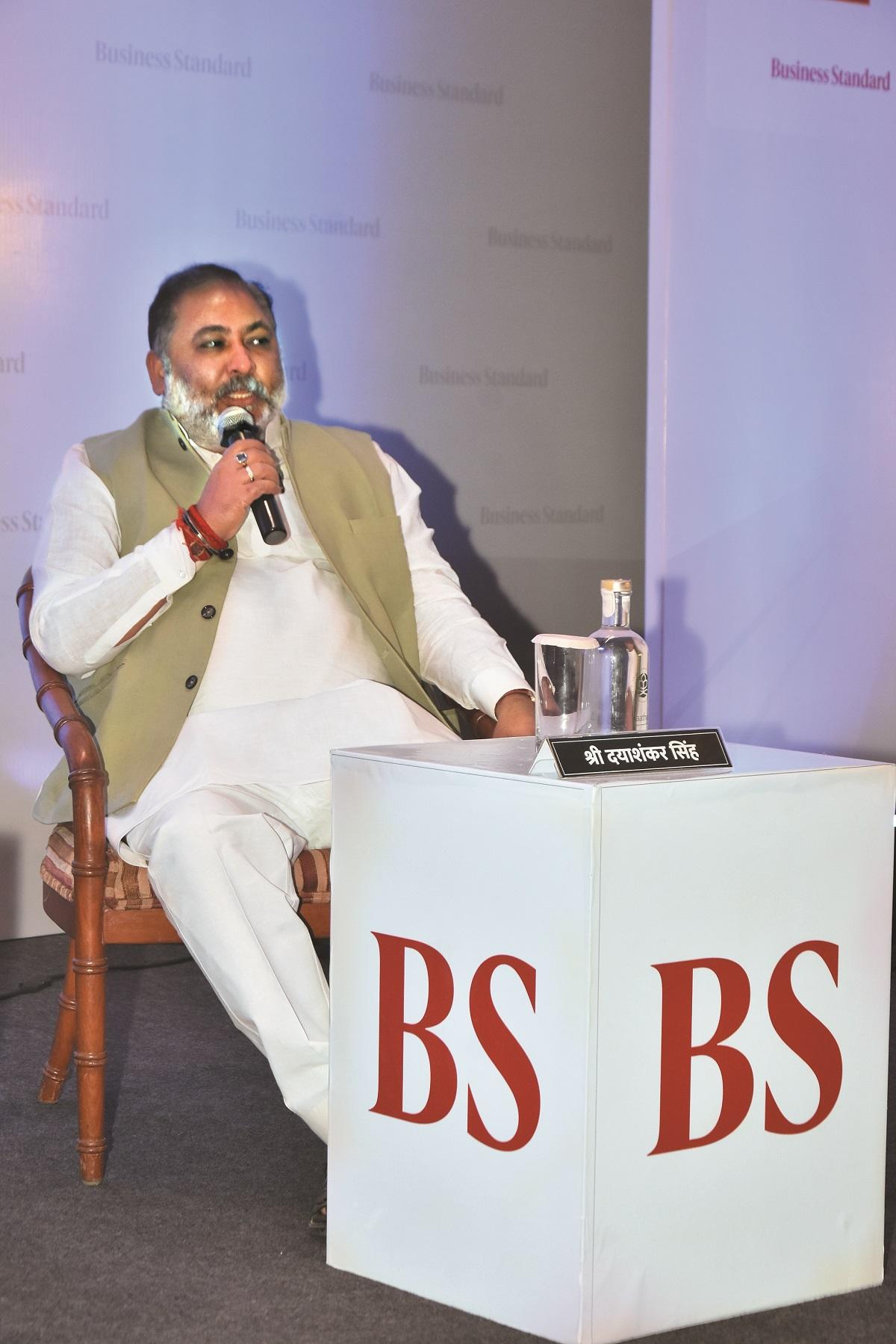
Uttar Pradesh is pressing ahead with a major upgrade of its public transport network that aims to place electric buses on routes in every district, the state transport minister said at Business Standard’s Samriddhi conference in Lucknow. Minister Dayashankar Singh described the programme as a transformation that has already improved links between villages and cities and will now shift the fleet towards cleaner vehicles.
Uttar Pradesh e-buses to reach every district
Speaking to delegates, the minister said the state government is prioritising e-buses as it modernises services to meet rising passenger demand and environmental targets. “We are building a network that connects rural areas to urban centres, and the next step is to run electric buses across all districts,” he said. The announcement signals a move to reduce emissions, lower operating costs and improve the quality of public transport.
The initiative follows a broader push by Indian states to adopt electrified public transport. Officials expect the shift to deliver immediate benefits, including quieter vehicles, reduced fuel expenditures and more predictable maintenance routines. For passengers, the rollout promises steadier schedules and improved service frequency as older diesel vehicles are phased out.
Government planners are focusing on several practical elements needed for a successful rollout. These include deploying charging infrastructure at bus depots and along key corridors, upgrading state transport undertakings, and arranging financial packages that can support fleet purchases and depot retrofits. The state is also considering public-private partnerships to accelerate infrastructure deployment.
Officials note potential challenges. The electricity grid must be strengthened to handle increased demand, and authorities will need to manage battery supply chains and end-of-life disposal. Training drivers and technicians on electric drivetrains and charging systems is another priority to ensure safe, reliable operations.
Dayashankar Singh said the modernisation has already tied remote communities more closely to regional markets and services, which should amplify the economic impact of the e-bus programme. Improved connectivity can increase access to education and healthcare, expand labour markets and support small businesses by making travel easier and more affordable.
Financially, the state is exploring a mix of central grants, concessional loans and private investment to underwrite the transition. Lower operational costs over the life of an electric bus can offset upfront capital expenditure, transport economists say, while aggregated procurement may reduce vehicle prices.
Environmental groups welcomed the announcement, noting that reducing diesel use in a densely populated state would cut particulate emissions and improve urban air quality. At the same time, experts cautioned that the environmental benefits depend on the electricity mix; continued investment in renewables would increase the climate advantage of the e-bus fleet.
The minister highlighted a phased approach. Initial deployments will target high-demand urban and intercity routes while pilots test technology options and operational models. Lessons from these pilots will guide the wider rollout to smaller towns and rural routes.
As Uttar Pradesh prepares to scale up electric public transport, officials say the focus will remain on delivering dependable service that benefits commuters across the state. The move positions Uttar Pradesh among Indian states pursuing low-emission transport solutions and underscores growing policy momentum behind electrifying public fleets.