Key Takeaways:
- Global executives shaped markets in 2025 through huge pay packages, AI expansion and geopolitical manoeuvres.
- BRICS business leaders 2025 are central to how investment, trade and data-centre expansion will affect emerging markets including India and China.
- From Tesla and SpaceX ties to India to Nvidia navigating export controls with China, corporate moves will reshape regional technology and finance flows.

BRICS business leaders 2025 lead boardrooms, billions and AI
Global business in 2025 was defined less by single product launches and more by large pay packages, geopolitical friction, and the rush to scale artificial intelligence. A handful of executives and investors drove headlines, and their actions have direct implications for BRICS+ nations such as India and China, where markets, supply chains and regulatory choices are rapidly evolving.
BRICS business leaders 2025 shape global corporate debates
Elon Musk remained a focal point after Tesla shareholders approved an unprecedented $1 trillion performance-based compensation plan that could create the first trillionaire. While the package reflected investor confidence in long-term targets, Tesla also faced slowing electric vehicle demand and intense competition from Chinese EV makers, highlighting how BRICS markets influence global auto strategies. Musk’s role in US government and continued SpaceX work, including the Axiom 4 mission carrying Indian Group Captain Shubhanshu Shukla, underlined the cross-border nature of commercial space programmes.
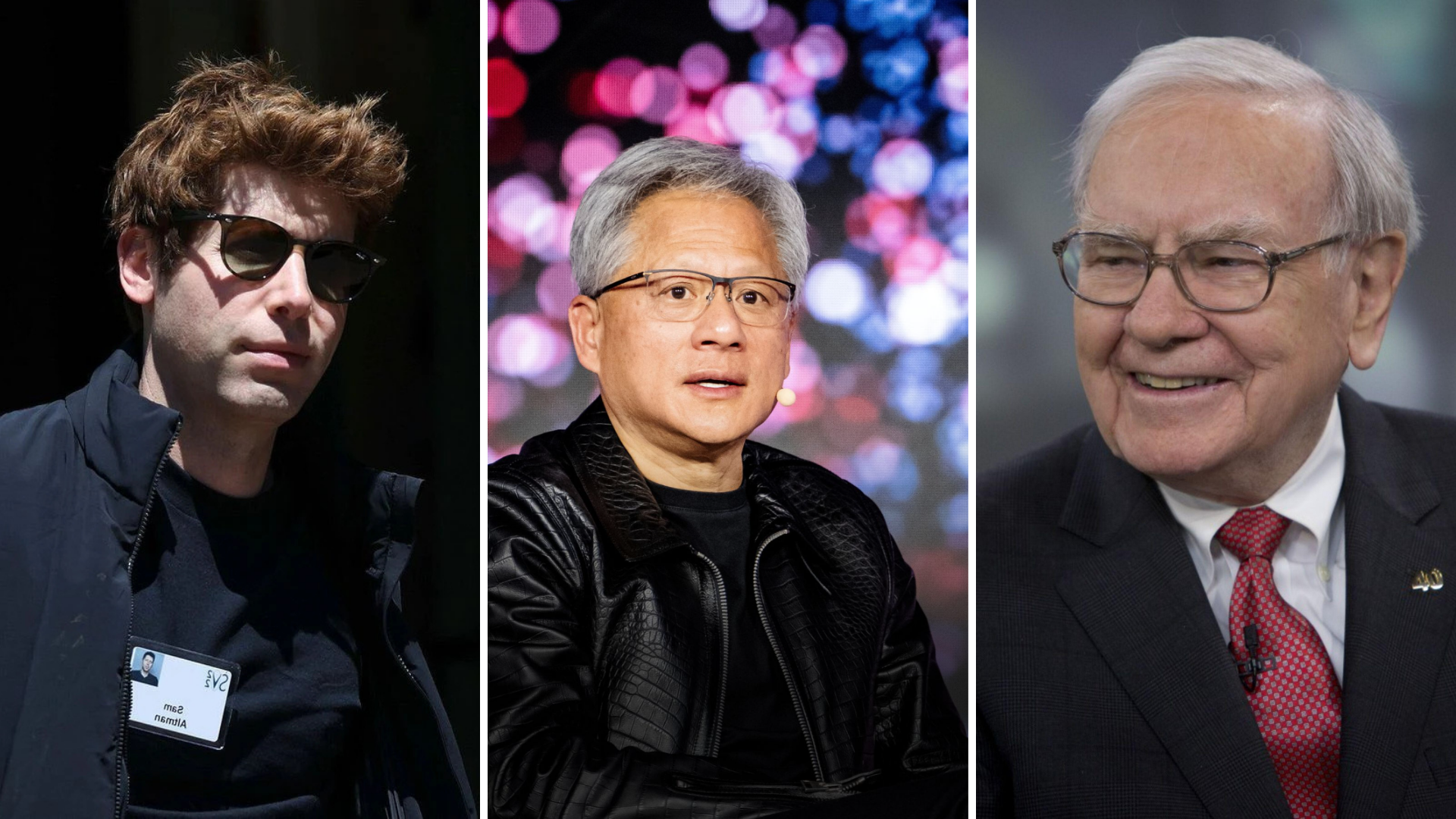
Sam Altman emerged as the most visible AI advocate in 2025. Under his leadership OpenAI moved to a commercial structure, reported strong revenues and announced vast infrastructure commitments. These developments accelerate demand for data-centre capacity and high-performance compute, creating opportunities for BRICS countries to attract investment in cloud and infrastructure projects if they offer competitive policy and energy frameworks.
Nvidia, led by Jensen Huang, reached record market valuations and asserted its role as the primary supplier of AI chips. Washington’s export controls and Beijing’s push for domestic semiconductor capability have placed Nvidia at the centre of trade and national security debates. The company’s strategy to protect market access in China while complying with tighter export rules illustrates how semiconductor policy will shape technology partnerships and supply chains across BRICS+ markets.
Larry Ellison returned to prominence with Oracle’s AI deals and his family’s expansion into media through the Paramount Skydance transaction. Meanwhile, activist and cautious voices such as Michael Burry offered a counterpoint to AI exuberance by betting against parts of the AI trade, reminding investors in emerging markets to weigh valuation risk against growth narratives.
Finally, Warren Buffett’s decision to step down as CEO of Berkshire Hathaway marked the end of a defining era in long-term investing. His successor faces the task of balancing steady capital allocation with the fast-moving technology investments that are reshaping global markets and could influence capital flows into BRICS economies.
For BRICS+ nations, 2025 highlighted competing forces. Rapid AI infrastructure spending and private investment present avenues for economic growth, skills development and higher-value jobs. At the same time, trade restrictions, geopolitical rivalry and concentrated capital flows risk leaving some emerging markets behind unless policymakers pursue clear strategies to attract responsible investment and build local capabilities.
As major corporations and investors set priorities for technology, production and global expansion, BRICS+ countries that align regulatory clarity with incentives for infrastructure and training stand to gain. The actions of these business leaders in 2025 will continue to ripple across markets, shaping where firms invest and how national economies adapt to the era of AI.