Key Takeaways:
- Council of Europe secretary-general Alain Berset identified three core requirements for lasting peace in Ukraine: accountability, adherence to legal norms and credible security guarantees.
- Proposed mechanisms include an international Ukrainian claims commission to address reparations and reliance on international law, including the European Convention on Human Rights.
- Berset stressed the need for enforceable legal instruments to prevent renewed hostilities and ensure long-term stability.

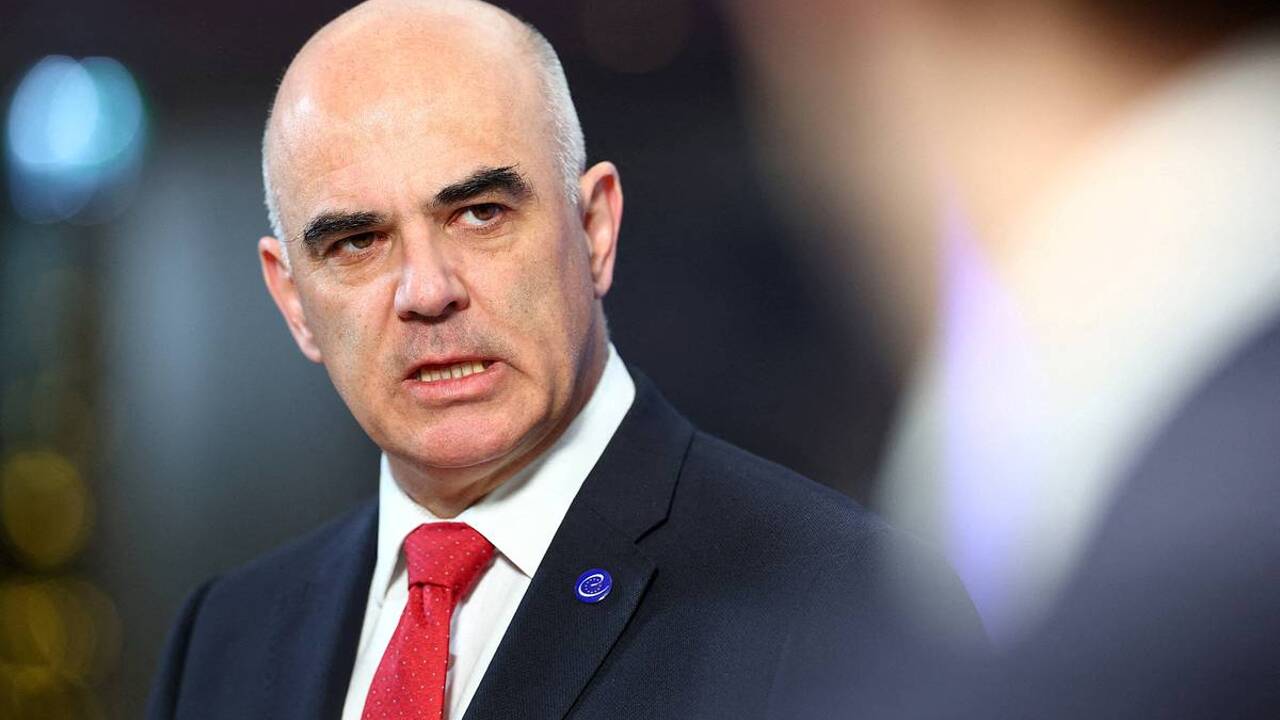
Council of Europe secretary-general Alain Berset has outlined three essential conditions for a sustainable settlement to the conflict in Ukraine, emphasizing accountability, the rule of law and robust security guarantees.
Peace in Ukraine must rest on accountability, legal norms and security guarantees
Speaking to Politico, Berset said the first pillar of any durable settlement is accountability. He proposed the creation of an international Ukrainian claims commission to adjudicate compensation for damage caused during the conflict. Such a body, he argued, would offer a transparent and orderly mechanism to address the vast economic and social costs borne by civilians and public infrastructure.
“Accountability is essential to restore trust and to provide victims with a route to redress,” Berset said, according to the report. He suggested that systematic legal processes would be preferable to ad hoc measures, helping to avoid lingering grievances that could fuel future unrest.
The second requirement identified by the secretary-general is a firm commitment to international legal standards. Berset argued that post-conflict recovery and reconciliation should be anchored in international law, including the European Convention on Human Rights. By grounding reconstruction and judicial processes in established legal frameworks, states and institutions would be better placed to protect individual rights and ensure consistent rulings.
Legal certainty, Berset maintained, is not an abstract aim. It forms the basis of practical steps such as restoring governance, enabling humanitarian return, and securing international support for reconstruction programmes. For many Ukrainians, the prospect of a legal process that recognises suffering and awards appropriate redress will be central to accepting any peace arrangement.
The third pillar involves credible and enforceable security guarantees for Ukraine. Berset said agreements must be backed by effective legal instruments that make it difficult to resume hostilities or “unfreeze” the conflict at a later date. He emphasised that security assurances are not solely military arrangements but should include legal remedies and verification mechanisms to ensure compliance.
International reactions to the secretary-general’s remarks were mixed. The article notes related diplomatic moves, including comments from other leaders. It also recalls that US President Donald Trump recently said talks with Ukrainian President Volodymyr Zelensky in Florida had brought the parties closer to resolving the conflict. Such diplomatic momentum, if sustained, could provide space to translate Berset’s principles into concrete negotiations.
Experts say translating these criteria into practice will be complex. Establishing an international claims commission would require agreement on jurisdiction, funding and evidentiary standards. Likewise, embedding the European Convention and other legal instruments in a post-conflict settlement would demand careful treaty drafting and likely long-term involvement from European and international bodies.
Yet Berset’s blueprint places law and accountability at the heart of the peace conversation. By insisting on mechanisms that address past harms and deter future aggression, his approach aims to lay a foundation for a durable peace in Ukraine that is legally founded and internationally supported.