Key Takeaways:
- The AAP Mumbai manifesto pledges free water, healthcare and education and major civic reforms ahead of the BMC 2026 polls.
- Key guarantees include 20,000 litres of free water per household, 1,000 Mohalla Clinics and free electricity up to 200 units.
- Transport, sanitation and environmental measures accompany a governance pledge to tackle corruption and improve service delivery.

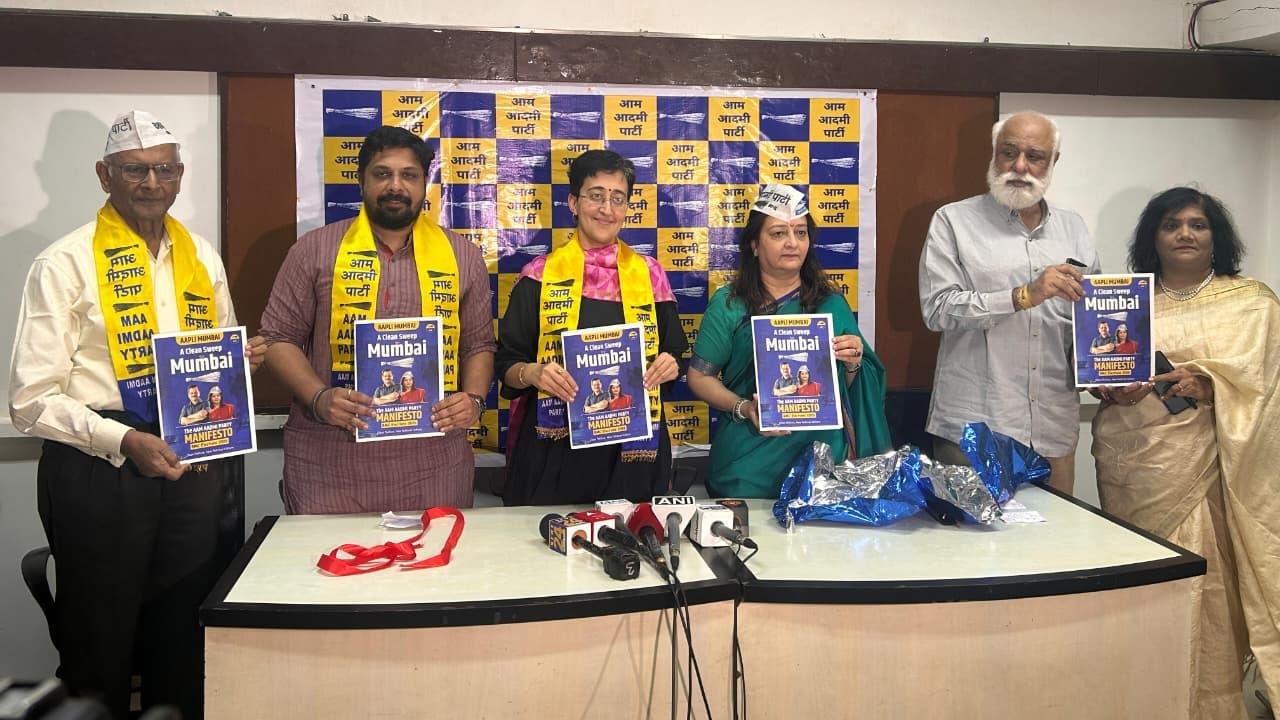
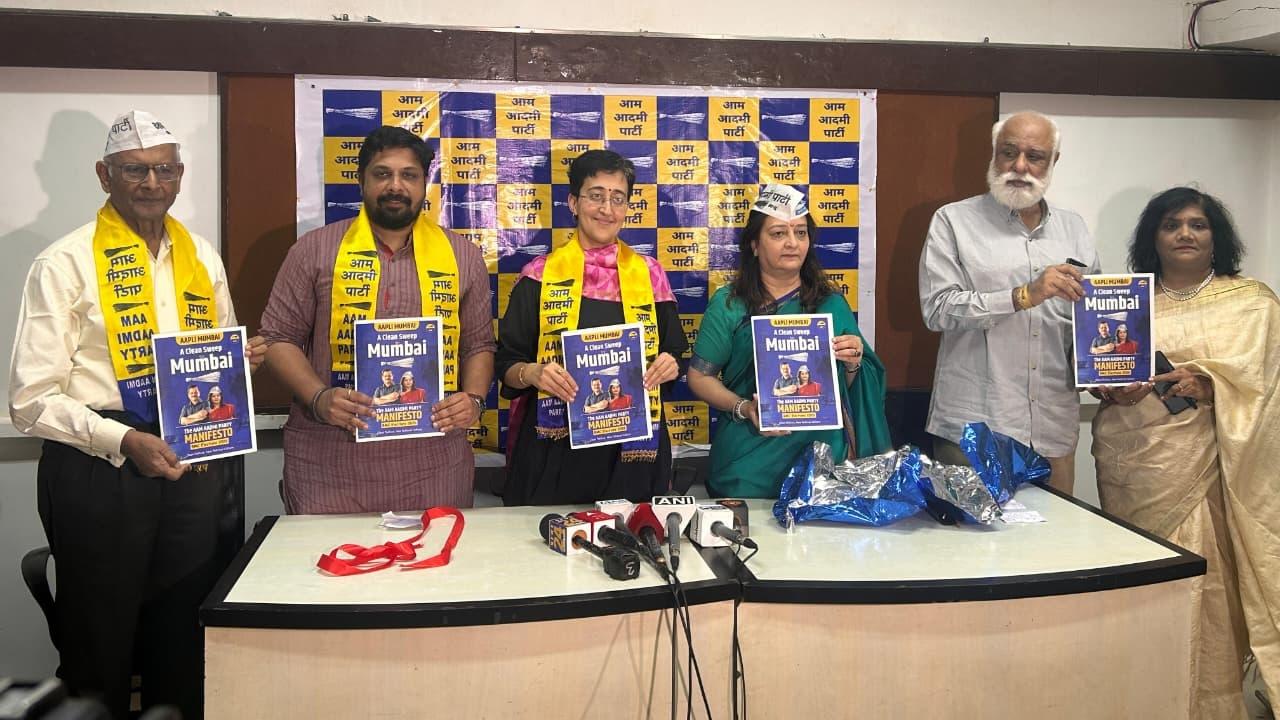
The Aam Aadmi Party (AAP) on Tuesday unveiled its Kejriwalchi Guarantee manifesto for the Brihanmumbai Municipal Corporation (BMC) elections in 2026, offering a wide-ranging package of services and civic reforms designed to reshape Mumbai’s public services and infrastructure. The document, presented by former Delhi minister Atishi, promises free water, education and healthcare alongside a suite of transport, sanitation and environmental commitments.
What the AAP Mumbai manifesto offers
The manifesto centres on four flagship guarantees: round‑the‑clock clean drinking water with up to 20,000 litres per household per month free of charge; a transformation of BMC schools through upgraded infrastructure and higher budgets; the establishment of 1,000 neighbourhood Mohalla Clinics providing free consultations, medicines and diagnostic tests; and free electricity up to 200 units per family with free meter installations and incentives for decentralised solar power.
Atishi criticised the BMC for years of mismanagement, saying Mumbai had suffered from corruption and misplaced priorities despite an annual budget exceeding Rs 75,000 crore. She argued that, if governed honestly, the city could be made safer, cleaner and better planned, and could serve as a template for other cities.
Transport, sanitation and environment
On mobility, AAP proposes a revival of Mumbai’s BEST services by introducing at least 10,000 electric buses, offering free travel for women and students, and implementing a scientific ‘Zero Pothole’ road system. The party also vows to end the commercialisation of BEST depots.
Sanitation measures in the manifesto include a three‑pronged approach of awareness, incentives and penalties to enforce waste segregation, construction of two lakh public toilets and the mechanisation of tasks to end manual scavenging. Environmental commitments seek to protect and expand mangroves, halt construction on salt pans and enforce stricter pollution controls at construction sites. AAP also proposes declaring Aarey Colony a reserved forest by merging it with Sanjay Gandhi National Park.
Social measures and governance
Special provisions for women and children include monthly financial assistance of Rs 5,000 for low‑income pregnant women, free health check‑ups, extended CCTV coverage in vulnerable areas and mental health counsellors in municipal schools. The manifesto is dedicated to the ideals of historical reformers and leaders including Chhatrapati Shivaji Maharaj and Dr B. R. Ambedkar.
AAP Mumbai president Preeti Sharma Menon framed the campaign as one of ‘Kaam Ki Rajneeti’ or politics of work, contrasting it with what she described as opportunistic alliances among established parties. Menon said the party had fielded young, educated candidates with records of public service and pledged to run the BMC with transparency and accountability, without corruption or debt, citing AAP’s governance in other states as examples.
With less than a year to the civic polls, AAP’s manifesto aims to present voters with a clear alternative focused on service delivery and clean governance. Whether the promises will translate into policy depends on the party’s electoral performance and its ability to implement complex urban reforms if given a mandate.