Key Takeaways:
- The Tehran launch of “Iran: Between War and Peace” emphasised Iran–Pakistan relations and cultural solidarity.
- Speakers praised historic ties, mutual support during crises and the need for deeper public knowledge.
- Academics and students called for wider translation and distribution to strengthen cultural diplomacy.

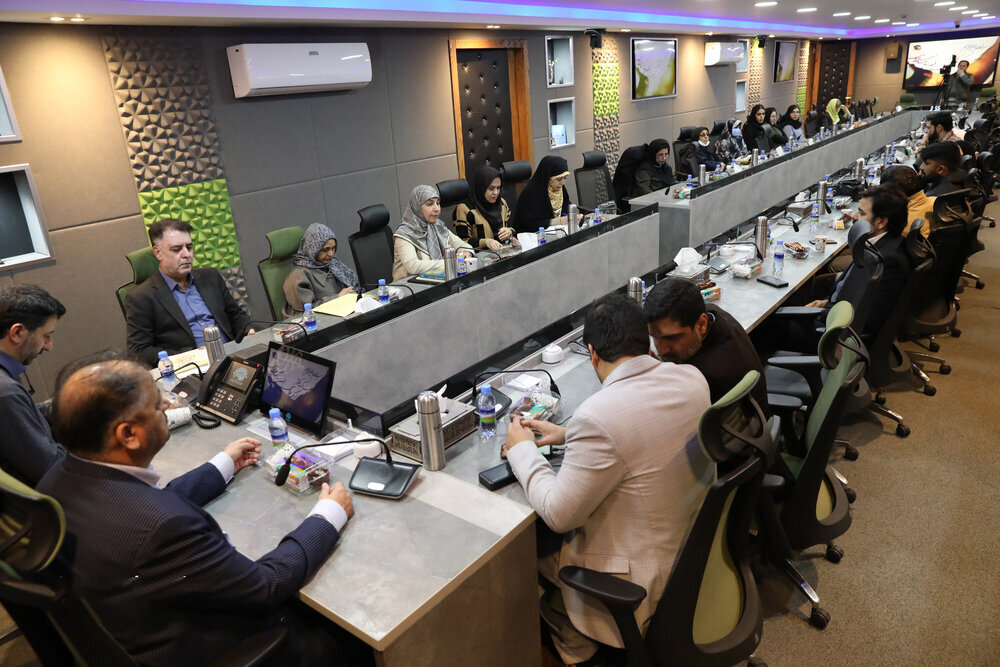
Officials, academics and students gathered in Tehran on 8 January 2026 for the launch of “Iran: Between War and Peace”, a new book by Zahid Munir Amar, head of the Urdu and Pakistan Studies chair at the University of Tehran. The event, held at the Tahereh Safarzadeh Hall of Hozeh Honari, presented the book as a timely contribution to public understanding of Iran–Pakistan relations and shared cultural heritage.
Iran Pakistan relations
The launch was opened by Morteza Ghazi, director of the Office for Arts and Literature of Awakening, who described the gathering as the first specialist forum centred on Munir Amar’s exploration of Pakistan and the closeness between the two peoples. Ghazi said the office aims to produce accessible narratives about other countries for Iranian readers and stressed that accurate knowledge is the foundation of any meaningful cooperation.
“Perhaps no two nations share as many affinities as Iran and Pakistan,” Ghazi said, noting geographical proximity, literary links and cultural ties. He urged both societies to recognise those commonalities and to correct persistent misconceptions. He highlighted recent references to the deep bonds between the countries by senior Iranian figures and called the phrase “Iran and Pakistan are one soul” a powerful expression of mutual feeling.
Speakers at the event underscored the book’s unusual provenance. Ghazi observed that Munir Amar is one of the first non-Iranian authors to record impressions of Iran during the twelve-day conflict, and he argued that Pakistan’s support for Iran during that period is a notable element of shared history that should inform future relations.
Ali Bayat, a faculty member at the Faculty of Foreign Languages at the University of Tehran and the book’s translator, spoke about Munir Amar’s observational method. Bayat said the author notices details in public life, from billboards to notices, and keeps careful notes. That attention, Bayat added, shapes the book’s vivid portrayal of everyday Iran and its cultural life.
A Pakistani student and poet, Hassan-Reza, praised the work and called for translations into additional languages so the book might reach wider audiences. He said the volume encourages readers to explore Iranian poetry and cultural expression and could serve as a bridge for literary exchange.
Frank Jamshidi, responsible for research on the Sacred Defence, placed the book within a field of specialised scholarship. He suggested that works addressing specific historical moments can become authoritative sources. Jamshidi pointed out that Munir Amar’s account of the twelve-day war could serve as a reliable reference for future research.
Zahid Munir Amar closed the session with historical reflections on Iran–Pakistan ties. He traced connections back to the era of Mahmud of Ghazni and emphasised the long-standing cultural and linguistic interactions that cross the shared border. Munir Amar also highlighted the relative shortage of travel writing in Urdu and argued that travel literature can play an important role in strengthening mutual comprehension between nations.
The launch concluded with the formal presentation of the book. Organisers said the title represents an effort to deepen public awareness of Pakistan and Iran by presenting thoughtful, well-documented perspectives. The event reiterated a simple message: stronger public knowledge and cultural exchange are essential steps towards closer bilateral relations.