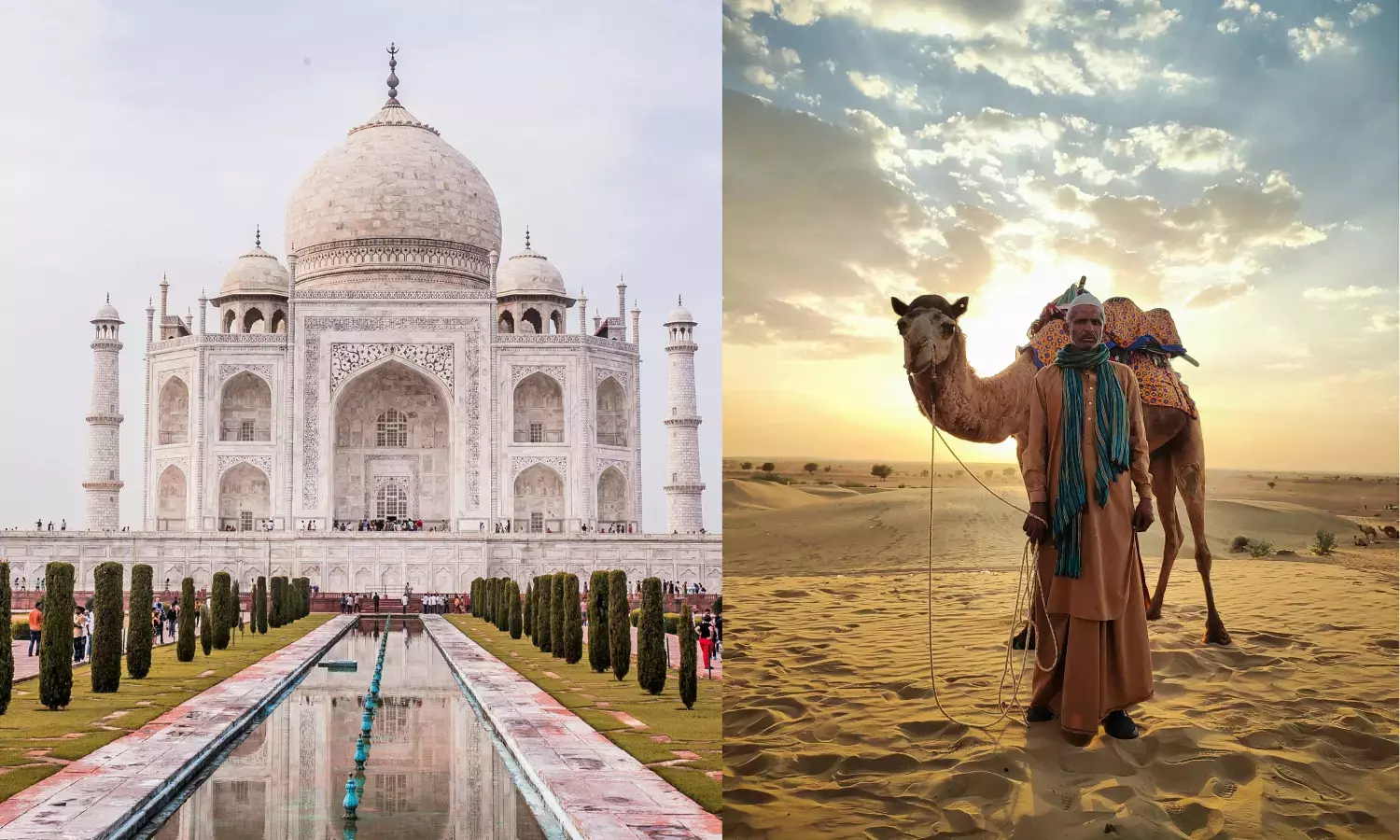
Key Takeaways:
- India tourism growth remains under‑utilised despite 2.96 billion domestic visits and tourism employing over 13% of the workforce.
- Weak supply-side conditions limit value creation; sector contributes around 5% of GDP versus a 10% global average.
- Report recommends circuit-based infrastructure, flagship hubs, safety and sustainability measures, and stronger MSME integration.

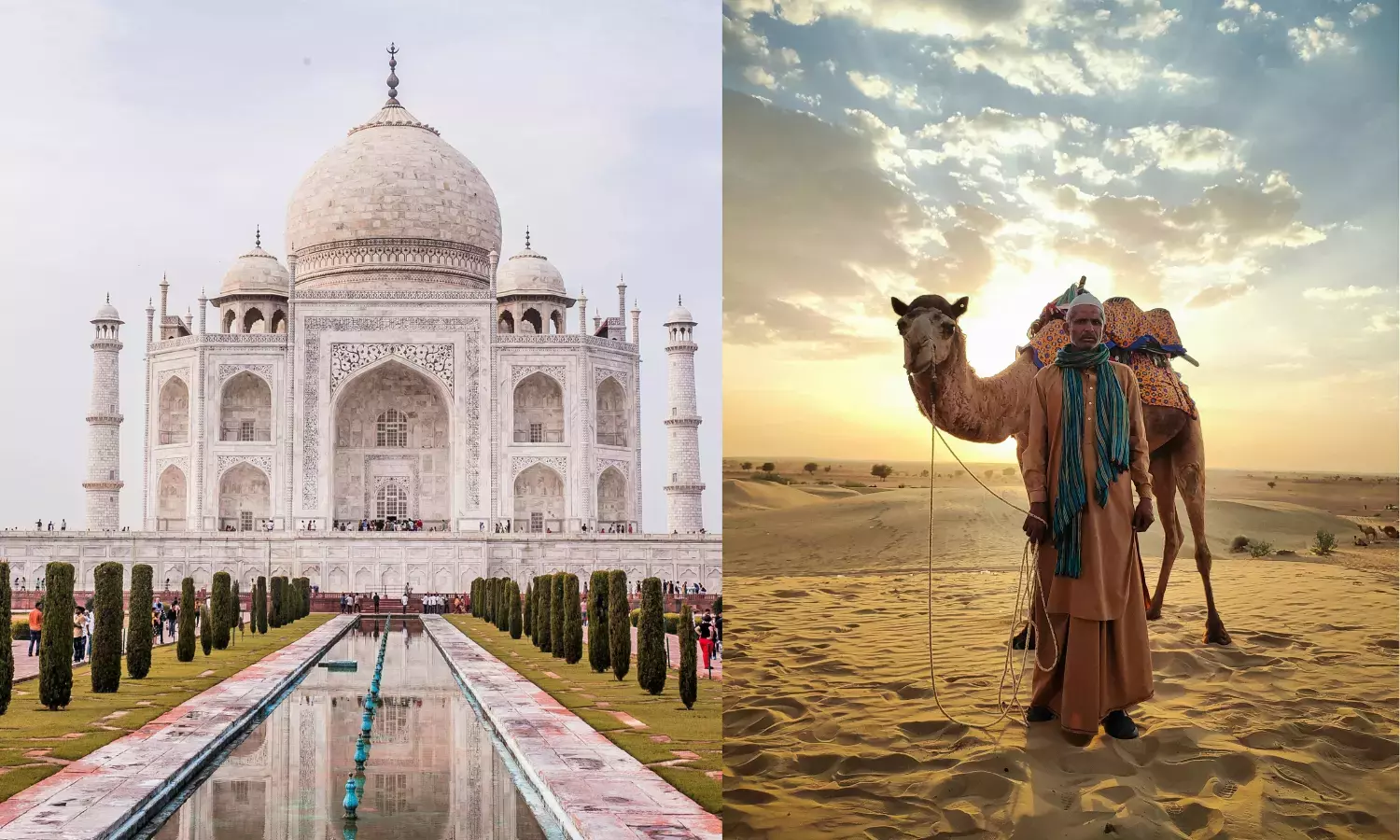
India’s tourism sector has vast scale but falls short on converting visitor volumes into higher incomes, according to a new Crisil Intelligence report. The study finds that while tourism is already the country’s largest non-farm employer, it contributes far less to economic output than comparable markets, signalling an urgent need for targeted, ecosystem-wide reforms.
India tourism growth requires ecosystem-wide reforms
The report, titled ‘Tourism for livelihoods: Building circuits of growth in India’, notes that tourism engaged more than 13 per cent of the workforce in 2024 and recorded 2.96 billion tourist visits. Yet the sector accounted for only about 5 per cent of gross domestic product, well below the global average of 10 per cent. That gap, the authors argue, reflects weak supply-side enabling conditions rather than a shortage of demand.
India currently attracts only 1.4 per cent of international tourist arrivals, with nearly one third of those visitors belonging to the diaspora who travel primarily to visit family. To capture higher-value flows, the country needs to expand its appeal to leisure travellers from high-income markets while retaining domestic spend that is increasingly being routed overseas. Indian outbound travel expenditure rose to around USD 17 billion in fiscal 2024, a sum that could be recaptured with globally competitive offerings at home.
To translate visits into income, Crisil Intelligence recommends a package of reforms focused on both infrastructure and capacity building. Key measures include circuit-based infrastructure upgrades delivered through public-private partnerships, development of flagship, world-class destination hubs, and improvements in safety, hygiene and mobility through better planning and regulation. Sustainability-led destination management is highlighted as essential to protect fragile natural and cultural circuits.
The report also stresses the importance of deep integration of micro, small and medium enterprises, self-help groups, artisans, home-stays and youth into the tourism value chain. Skills training in hospitality, guiding, digital marketing, food safety and eco-operations are presented as priorities, alongside stronger branding and digital outreach to reposition India on the global leisure map.
Access to targeted financing, easier credit lines and formalisation pathways for tourism MSMEs are proposed to unlock investment at the grassroots. These steps aim to create high-multiplier livelihoods and resilient incomes across rural and urban areas, rather than simply increasing visitor numbers.
Binaifer Jehani, Senior Director and Business Head, Assessments, Crisil Intelligence, said the challenge is not in generating demand but in strengthening the ecosystem’s capacity to convert scale into value through destination-level infrastructure, service standards, safety perceptions and travel ease. The report frames tourism as a major livelihood engine that can deliver broader economic benefits if enabling conditions are rebalanced in favour of value creation.
Policymakers and industry players face a choice: maintain the current focus on visitor volumes, or pursue targeted investments and regulatory reforms that turn high footfall into higher incomes. The Crisil Intelligence report makes a clear case that with the right interventions, India can substantially boost the economic return from its tourism sector and create sustainable livelihoods across the country.