Key Takeaways:
- Roads Minister Komatireddy requests temporary Hyderabad Vijayawada toll-free travel to ease Sankranti congestion.
- Traffic volumes reportedly rise to nearly 200% during the festival, straining toll plazas at Panthangi, Korlapahad and Chilakaluripet.
- Proposed toll-free window: Hyderabad to Vijayawada from 9–14 January; return travel from 16–18 January.
- State coordinating with NHAI, MoRTH and traffic police to manage flows and minimise delays.

Komatireddy Seeks Hyderabad Vijayawada Toll-Free Travel for Sankranti 2026
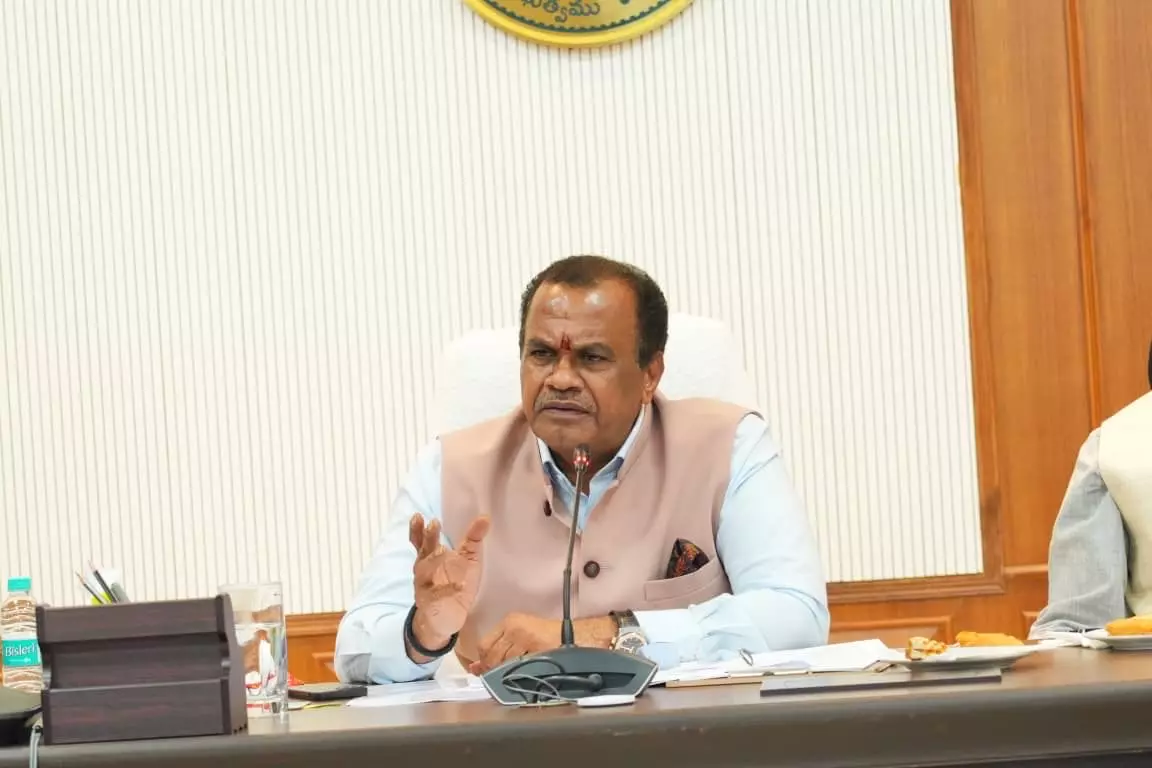
Telangana’s Roads and Buildings Minister Komatireddy Venkat Reddy has urged the Union government to permit toll-free movement on the Hyderabad–Vijayawada highway for limited periods around the Sankranti festival in January 2026, citing severe seasonal congestion and long delays at key toll plazas.
Hyderabad Vijayawada toll-free travel: proposed dates and rationale
In a formal letter to Union Road Transport and Highways Minister Nitin Gadkari, Komatireddy said vehicular traffic between Hyderabad and Vijayawada surges sharply during Sankranti, with volumes rising to almost 200% of normal levels. He has proposed a toll-free window from Hyderabad to Vijayawada between 9 and 14 January and a return window from Vijayawada to Hyderabad between 16 and 18 January, arguing the measure would prevent lengthy queues and reduce commuter hardship.
The Minister identified Panthangi, Korlapahad and Chilakaluripet toll plazas as particular pinch points where delays commonly build up. He also warned that return traffic after 16 January faces similar pressure, compounded by junction bottlenecks, roadside habitations and ongoing road works that further restrict traffic flow.
Komatireddy emphasised the public interest case for temporary toll relief. He said the state government is co‑ordinating closely with the National Highways Authority of India (NHAI), the Ministry of Road Transport and Highways (MoRTH) and local traffic police to manage the spike in travel and requested that the Union government consider the toll waiver to ease travel for lakhs of passengers.
Practical implications and traffic management
If approved, the temporary suspension of toll collection would aim to clear queues quickly and reduce pressure on alternative routes that motorists often use to avoid plaza congestion. Authorities would still need to manage safety, enforcement and traffic control, particularly at junctions and stretches undergoing maintenance.
Experts in road operations note that toll-free windows can speed throughput at plazas but also encourage a rapid influx of vehicles, requiring active traffic management measures such as increased signage, lane management, temporary traffic police deployments and close monitoring of worksites to prevent secondary bottlenecks.
Precedent and public impact
Temporary toll relief during peak festivals or special events has been used previously in various parts of India to alleviate short-term congestion and public inconvenience. Supporters say it helps millions of pilgrims and visiting families travel with fewer delays, while critics argue the fiscal and operational impacts on toll-contracts and maintenance funding must be managed.
For commuters between the two cities, the minister’s appeal represents an attempt to balance public convenience with infrastructure obligations. The final decision rests with the Union government, which will consider operational feasibility, contractual commitments with toll operators and safety arrangements before granting any exemption.
The state says it will continue close co‑ordination with national agencies and local enforcement to ensure that, if approved, the toll-free period runs smoothly and that traffic flows are restored to normal levels as quickly as possible after the festival peak.