Key Takeaways:
- Prime Minister Narendra Modi says India has “boarded the Reform Express” as next-generation reforms drive higher growth.
- Meeting with economists ahead of the 2026–27 budget focused on productivity, infrastructure and the role of AI in boosting competitiveness.
- Reforms cited include the Income Tax Act 2025, GST rationalisation, 100% FDI in insurance, expanded SME thresholds and five maritime laws.

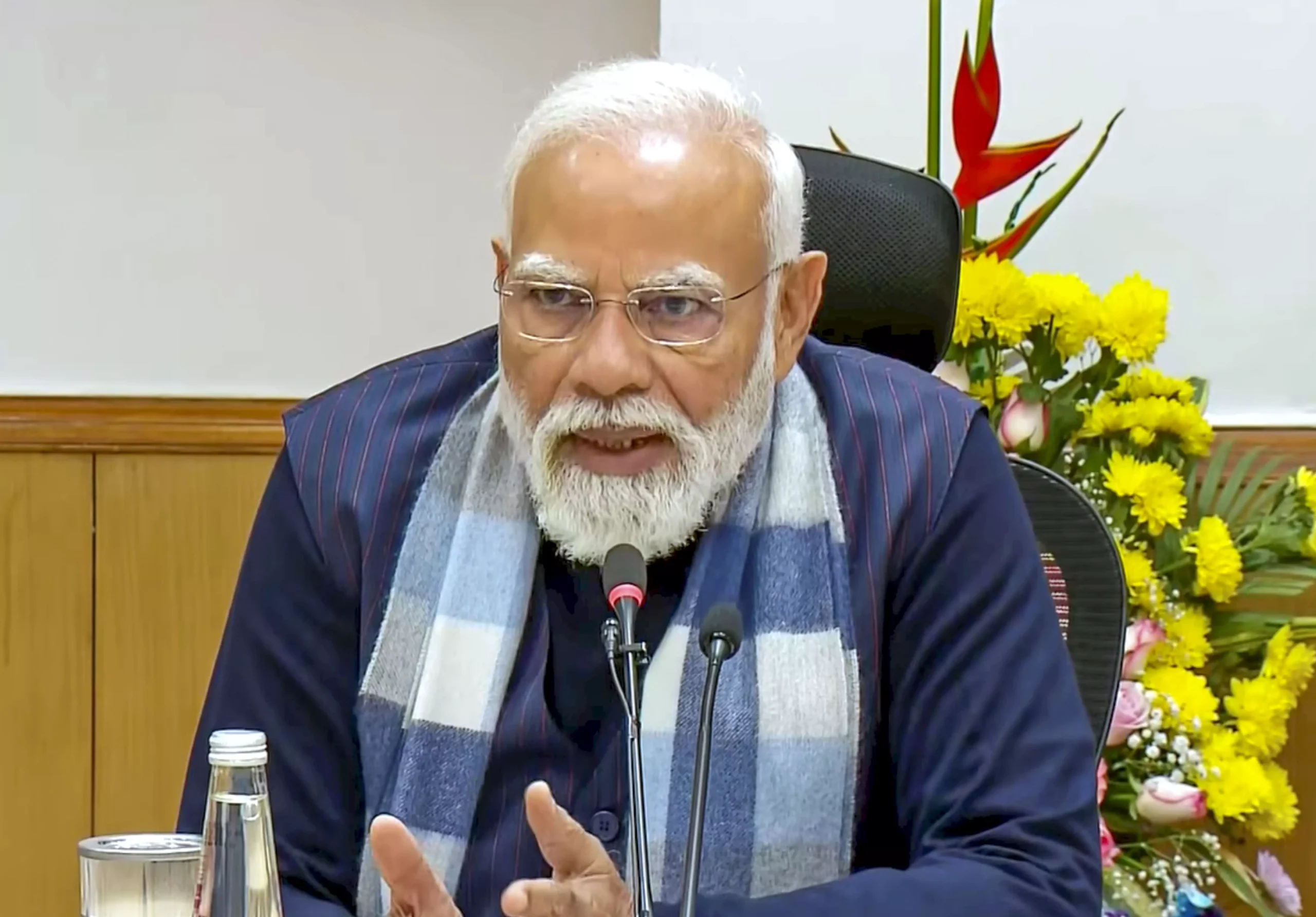
Prime Minister Narendra Modi has said India has “boarded the Reform Express”, with next-generation reforms accelerating the country’s progress and drawing sustained global attention. Speaking at a meeting with eminent economists and sectoral experts ahead of preparations for the 2026–27 Union Budget, Mr Modi emphasised the need for mission-mode reforms to secure long-term growth and deepen international integration.
Next-generation reforms India driving economic agenda
The consultations focused on raising productivity across manufacturing and services, strengthening infrastructure and harnessing advanced technologies such as artificial intelligence. Participants discussed measures to increase household savings, expedite infrastructure delivery and scale India’s Digital Public Infrastructure (DPI) to improve service delivery and market access.
Mr Modi urged policymakers to anchor fiscal and policy planning around a 2047 vision, aiming to ensure India remains a vital hub for global labour and international markets. He said the government has moved with higher ambition, faster execution and deeper transformation, and that reforms have enabled citizens to live with dignity and entrepreneurs to innovate with confidence.
Officials at the meeting included Union Finance Minister Nirmala Sitharaman, Niti Aayog vice-chairman Suman Bery and CEO BVR Subrahmanyam. Economists who attended provided strategic inputs intended to inform the upcoming budget, particularly on structural transformation and ways to enhance competitiveness.
The prime minister highlighted several concrete policy changes enacted in recent years. These include the modernised Income Tax Act, 2025, which he said simplified the tax code and provided substantial relief to the middle class; a two-slab GST structure that eased compliance and boosted consumer demand; and the decision to allow 100 per cent foreign direct investment in Indian insurance companies to increase penetration and choice.
Modi also pointed to reforms supporting small and medium enterprises, including an expanded definition of small companies to cover firms with turnover up to Rs 100 crore, a move intended to lower compliance costs for thousands of businesses. On labour policy and rural employment guarantees, he described reform efforts as historic and oriented towards inclusive growth.
In the logistics and maritime sector, the government passed five landmark bills in a single parliamentary session: the Bills of Lading Act 2025, the Carriage of Goods by Sea Bill 2025, the Coastal Shipping Bill 2025, the Merchant Shipping Bill 2025 and the Indian Ports Bill 2025. The new laws replace legislation dating back to the early and mid-20th century, simplifying documentation, reducing disputes and cutting logistics costs.
Analysts say the emphasis on technology, DPI and AI reflects a broader strategy to boost cross-sectoral productivity and improve delivery of public services. By embedding digital tools in taxation, compliance and public systems, the government seeks to reduce friction for businesses and citizens while increasing transparency.
As India prepares for the next budget, the government’s outreach to economists and sectoral experts underlines a pragmatic, consultative approach to policy design. The objective is clear: to sustain momentum through reforms that combine fiscal discipline, technological adoption and greater integration with global markets as part of a multi-decade vision for growth.