Key Takeaways:
- Early exposure builds lifelong stewardship: introducing children to marine systems fosters responsibility and informed choices.
- Hands-on learning works: programmes like Trash to Treasure and aquarium initiatives show immediate engagement and behaviour change.
- Stories connect people to policy: through documentaries such as Beyond the Catch, learners link coastal livelihoods with conservation.
- Early marine education can prevent future harm by embedding sustainability as a daily value.

How early marine education can protect India’s seas
When a seven-year-old watches a documentary about overfishing, the moment can change the course of a life. That is the starting point of filmmaker Aashni Subramanian’s argument that protecting the ocean must begin in the classroom. Her film, Beyond the Catch, and hands-on work with the Namma Bengaluru Aquarium suggest that early marine education can do more than inform; it can shape values and behaviour that safeguard coastal ecosystems.
Early marine education in Indian classrooms
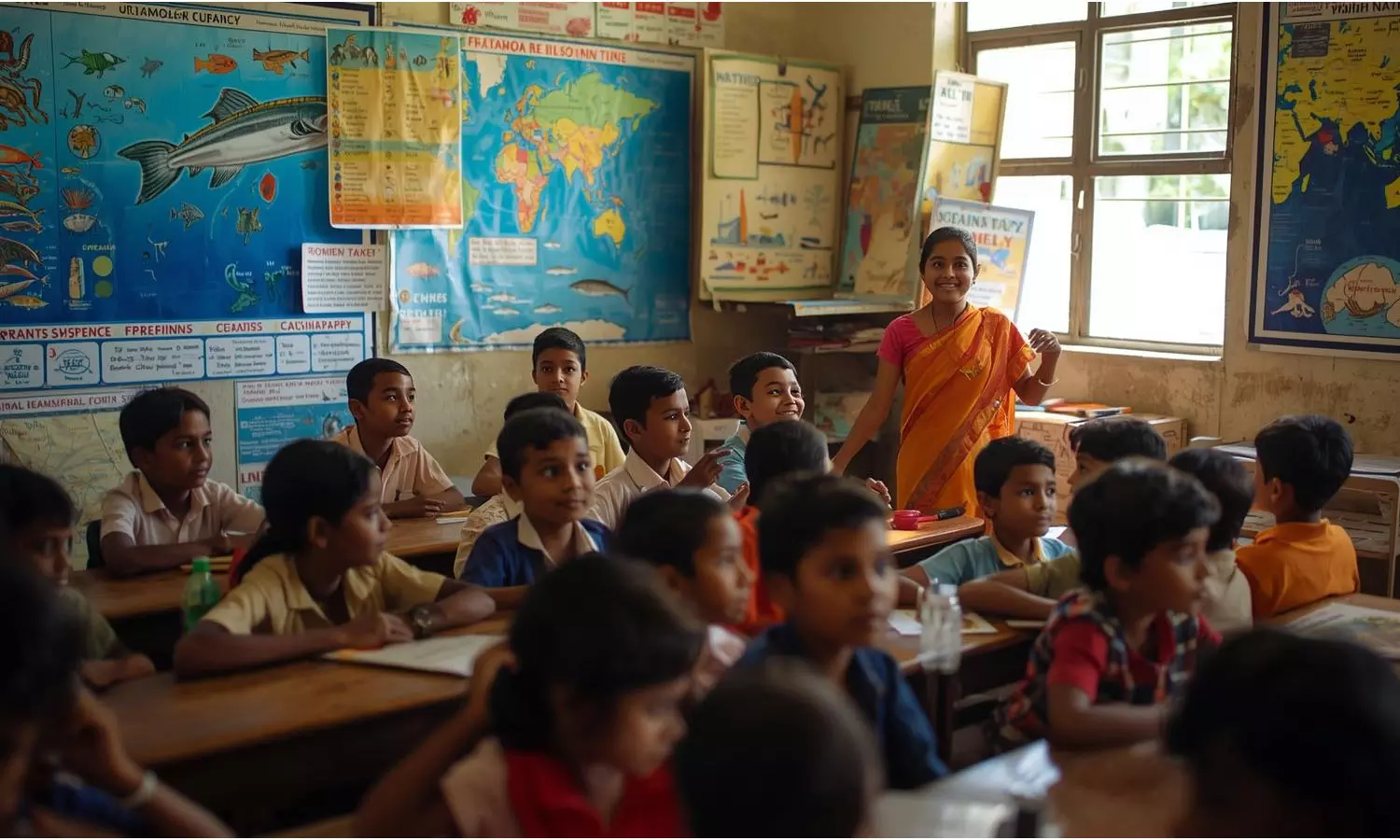
India is a maritime nation, yet marine topics are often squeezed into geography or biology lessons and taught as facts rather than living, interlinked systems. As climate change, overfishing and pollution intensify, this narrow approach risks producing a generation that knows facts but not context. Early marine education aims to bridge that gap by making the ocean relevant to daily life, livelihoods and local culture.
Subramanian’s filming in the Andaman Islands revealed how local perspectives on declining catches and disappearing species rarely reach young audiences. Fishermen, conservationists and policymakers see different sides of the same problem, but those voices are seldom presented together in school settings. By bringing human stories into education, children gain empathy and a clearer sense of cause and consequence.
Hands-on programmes show quick results
Internships and community initiatives provide a practical template. At Namma Bengaluru Aquarium, interactive displays and native-species sessions generated an immediate response from children. Learning that links observation with action helps information stick. The Trash to Treasure programme demonstrates this principle: after watching Beyond the Catch, children discussed local marine challenges and turned waste into marine-themed art. The activity shifted conservation from an abstract idea to a hands-on practice.
These programmes also illustrate how schools can complement policy and cleanup drives. Where policy remains necessarily broad and clean-ups reactive, early education is preventive. It builds habits before they harden and equips young people to evaluate trade-offs between conservation and livelihoods, a recurring theme in coastal communities.
Storytelling builds empathy and agency
Data are necessary for planning, but stories create empathy. Hearing a fisher describe how changing seas affect a family business or watching how plastic moves from city drains to remote beaches transforms distant problems into personal responsibilities. Beyond the Catch was designed to start conversations rather than deliver simple answers, and that questioning mindset is central to effective education.
Embedding marine learning across subjects will multiply the effect. Lessons in science, art and social studies can explore ocean chemistry, plastic lifecycles and community rights. Extracurricular clubs or art projects can turn concern into practice. Partnerships with coastal communities, aquaria and local NGOs provide authenticity and ongoing contact with the sea.
As India faces mounting coastal pressures, early marine education offers a low-cost, high-impact strategy to build resilient communities and healthier oceans. The evidence from outreach work and film-based initiatives points to a clear conclusion: lasting change in how societies treat the sea starts in classrooms and spreads outward through stories, practice and informed choices.