











Key Takeaways:
- Karl Bushby has walked some 58,000 km since leaving Chile in 1998, aiming to return to his hometown of Hull in September 2026.
- The former paratrooper crossed the frozen Bering Strait in 2006 and swam 300 km across the Caspian Sea in 2024 to avoid visa complications.
- Family support, early struggles with dyslexia and bullying shaped Bushby’s determination to complete the Expedition Goliath.
- Now entering Austria after passing Hungary, Bushby prepares for a long-awaited reunion with his mother in Hull.

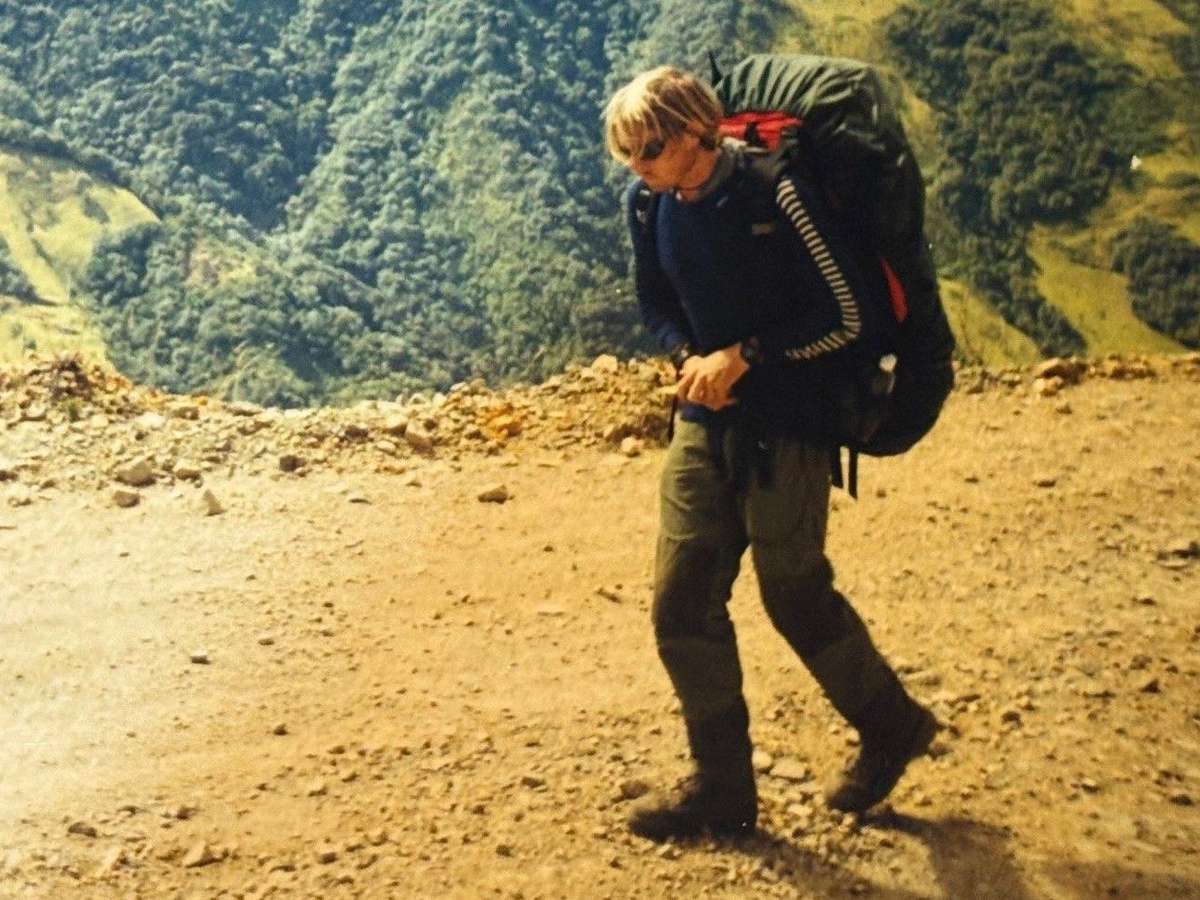
Karl Bushby, the British adventurer who set out in 1998 to walk around the world, is closing in on home after 27 years and roughly 58,000 km on foot. The former paratrooper began his journey in Chile and, despite geopolitical obstacles and visa refusals, hopes to step back into his hometown, Hull, in September 2026.
Karl Bushby world walk approaches Hull
Bushby’s route has taken him across South, Central and North America, through parts of Asia and into Europe. He made international headlines in 2006 when he became the first Briton to cross the frozen Bering Strait on foot. In 2024 he completed a 300 km swim across the Caspian Sea to avoid re-entering Iran or Russia because of visa difficulties, demonstrating the logistical and political challenges that have prolonged the expedition.
The journey was originally expected to take about 12 years. Wars, shifting border rules and the paperwork needed to move between countries have added years to the plan. Still, Bushby remains focused on the single aim that set him on the road: to return to the place where he grew up and to see his family once more.
Angela Bushby, 75, has followed her son’s progress from the sitting room of the family home in Sutton Park, Hull. She says she will be waiting at the gate rather than in the Channel Tunnel when he re-enters the UK. The reunion will mark a rare personal moment; Angela has seen Karl only a handful of times since he left.
Family support has been central to the story. Bushby described his plan for the Expedition Goliath to his parents before he left, receiving encouragement from his father, Keith, a former Special Air Service soldier. Photographs and newspaper clippings collected by Angela track a life lived outside the ordinary, from childhood birdwatching in local fields to military service in the Parachute Regiment.
Bushby’s journey has not been free of danger. In extreme cold on unstable ice, he crossed into Russia in 2006, a period that caused great concern among his family. He has also faced the consequences of experimentation and exhaustion in isolated regions. Yet those close to him emphasise his resilience. Diagnosed with dyslexia as a teenager, Bushby turned a difficult school experience into fuel for determination. ‘‘When Karl puts his mind to something, he does it,’’ his mother said.
Beyond personal endurance, the trip highlights practical obstacles that long-distance travellers face today: changing visa regimes, contested borders and the need to adapt plans as political conditions shift. Bushby’s decision to swim significant stretches of sea rather than seek problematic entry clearances underlines the complex interplay between adventure and modern geopolitics.
As he prepares to enter Austria after leaving Hungary, attention shifts to how Bushby will reintegrate into daily life after nearly three decades on the move. His mother keeps a parcel of presents for him each Christmas, a small ritual that has helped bridge the distance. She admits to mixed feelings: pride at his achievements and concern over how he will settle down once the walk ends.
Whether Bushby chooses to put down roots in Hull or pursue new ventures, his journey will stand as one of the most prolonged and unusual human-powered voyages in recent memory. For now, the focus is on the final stretch and the simple hope of a mother to greet her son when he returns.








