











Key Takeaways:
- Global LNG exports are forecast to rise 4% to 429 million tonnes in 2025, according to Kepler data.
- The United States is set to exceed 100 million tonnes, consolidating its position as the world’s leading LNG exporter.
- Higher supply is pushing Asian and European gas prices lower and increasing demand for specialised LNG carriers.
- China and Japan remain top buyers while countries such as Egypt are rapidly increasing imports.

LNG Exports 2025 Surge as US Becomes Top Global Supplier
Global liquefied natural gas shipments are set to climb in 2025, with Kepler Maritime data indicating a 4% increase year‑on‑year to roughly 429 million tonnes. The rise would mark the biggest annual gain since 2022 and reflects a wave of new projects coming online and rising trade flows.
LNG exports 2025 key drivers
The growth is driven largely by projects that have recently begun production, including Canada’s LNG Canada and major US developments such as the Plaquemines facility. Those additions have helped the United States scale up its supply rapidly and prepare to record a new milestone: exporting more than 100 million tonnes of LNG in a single year.
Industry analysts expect US production to continue expanding through the decade, potentially doubling by the end of the 2020s. That expansion will not only boost American shipments but also reshape global flows and pricing, exerting downward pressure on spot and futures markets in Asia and Europe.
Price and market impacts
Already, Asian gas prices are close to their lowest levels in a year and European gas futures have fallen by more than 40% since the start of the year. The additional volumes have increased supply flexibility for buyers and are likely to suppress prices further, supporting industrial and power‑sector demand.
Bloomberg Intelligence projects global LNG trade volumes will rise by between 7.5% and 8% next year as lower prices stimulate demand and new supply comes online.
Shipping demand and logistical pressures
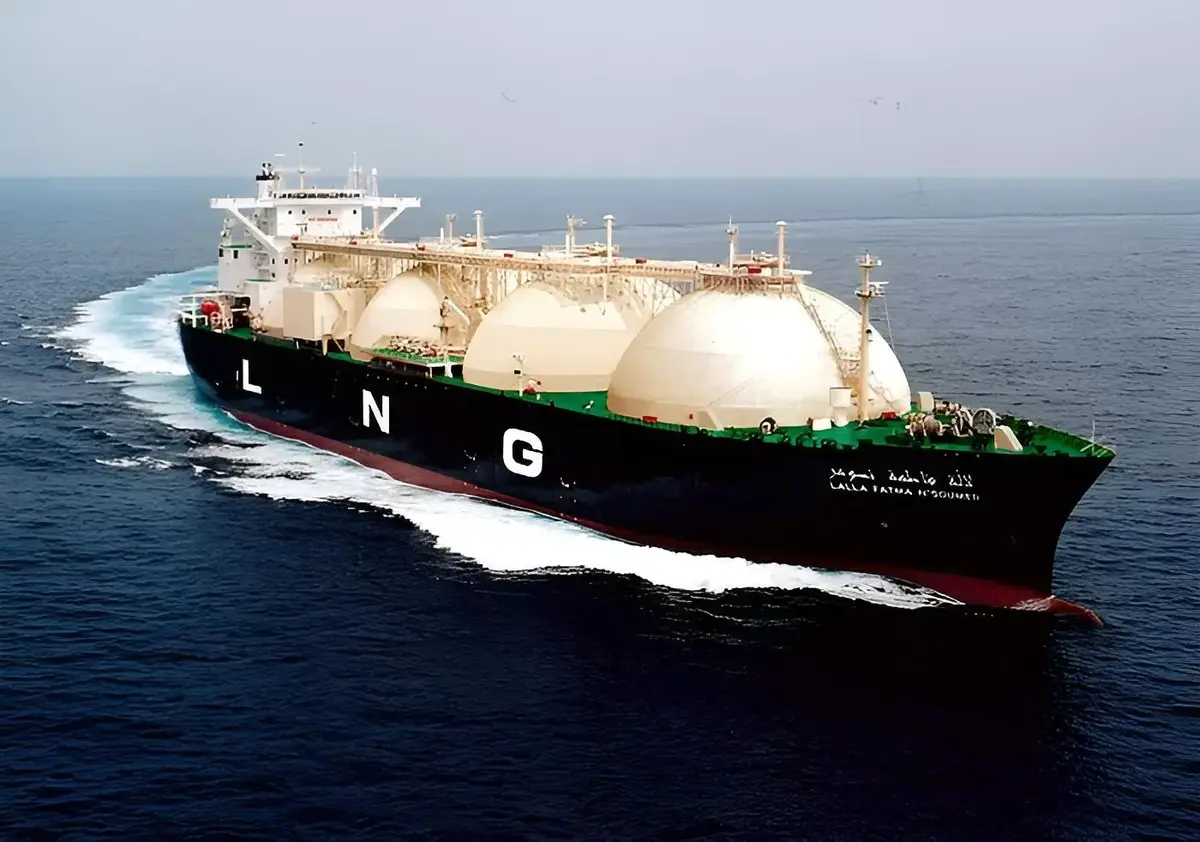
Higher output is also lifting demand for the specialised fleet of LNG carriers. In recent weeks, freight rates on the Atlantic route reached their highest level in about two years as ship availability tightened and voyage lengths increased. That spike underlines a growing need for vessels and potential bottlenecks in shipping capacity as volumes expand.
Regional demand patterns
China and Japan remain the world’s largest buyers of LNG, although Kepler’s data suggests China’s total imports in 2025 may fall by about 15% compared with 2024. At the same time, several other markets are increasing purchases. Egypt, which became a net importer last year, could import around 8.9 million tonnes in 2025, more than three times its previous level.
The shifting importer mix highlights how new receiving infrastructure and changing domestic production profiles are altering trade routes and seasonal patterns.
Outlook
Overall, the global LNG market appears set for growth in 2025, underpinned by new project start‑ups, expanding US exports and price declines that encourage demand. While increased supply should ease prices for consumers in Asia and Europe, the market will need additional shipping capacity and continued investment in receiving infrastructure to absorb the higher volumes without disruption.
As supply and trade patterns evolve, energy ministers and market participants will closely monitor shipping rates, regional demand trends and the pace of additional liquefaction capacity coming online through the rest of the decade.








