











Key Takeaways:
- Tehran banks operate on standby following a provincial energy management decision, with designated duty branches open for essential services.
- Branches listed on banks’ official websites and central support units will remain available to assist customers.
- Operations in other provinces will be determined by local authorities; customers are urged to use online and non‑in‑person services where possible.

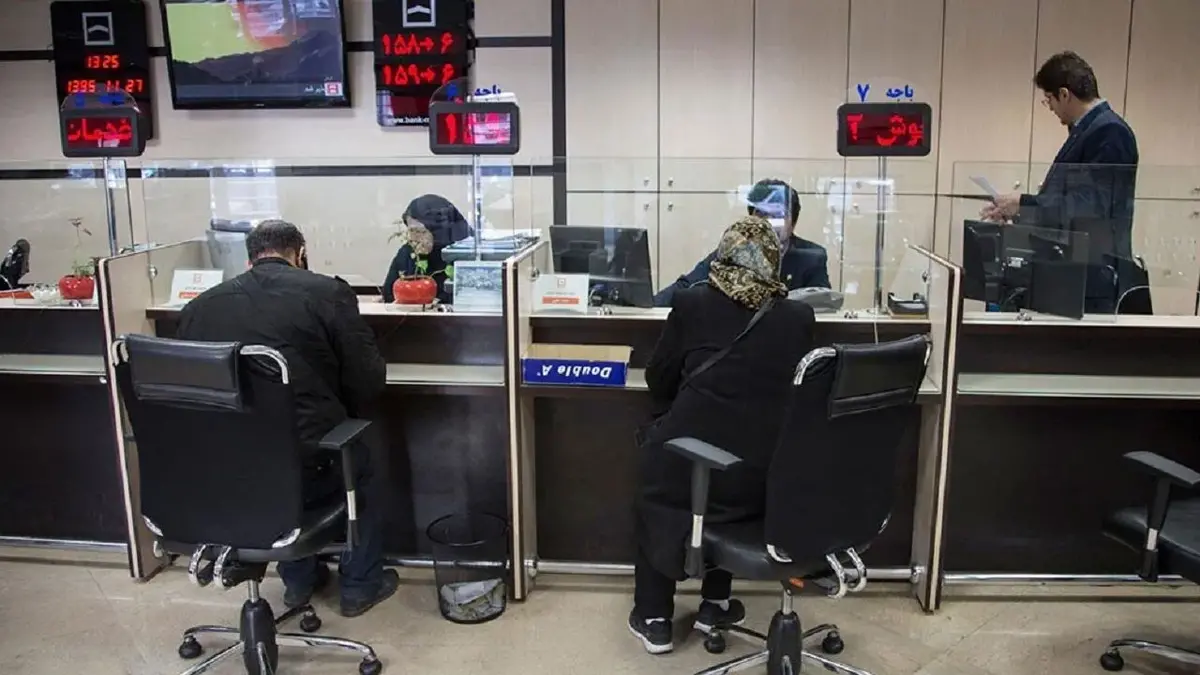
Banks across Tehran will operate on a rota basis on the specified Wednesday after the provincial energy management working group issued directives to optimise consumption. The Coordination Council of Banks announced that member banks in Tehran will provide services through designated duty branches while technical and support units at head offices remain on standby to handle essential customer needs.
Tehran banks operate on standby
The Coordination Council said the names and locations of duty branches are published on the banks’ official information portals. These branches will remain open to provide urgent banking services, including cash withdrawals, deposits, and support for critical transactions, while non‑duty branches will be temporarily closed to reduce energy use.
Officials stressed that staff in central technical and support units will continue to work to ensure continuity of service and to resolve any operational issues that may arise. The move aims to balance public access to essential banking functions with the province’s broader energy management plan.
Guidance for customers
Customers are encouraged to make full use of banks’ electronic channels for routine transactions. Mobile banking, internet banking, ATMs and point‑of‑sale services are available and can minimise the need for in‑branch visits. Banks advised customers to check their websites for the list of duty branches and to plan visits only for essential matters that cannot be handled remotely.
The announcement also clarifies that emergency arrangements are in place for services that require in‑person handling. Banks will coordinate with provincial authorities to ensure that critical financial services remain accessible for pensioners, businesses processing urgent payments, and other vulnerable groups.
Regional implications and wider context
Authorities in other provinces will decide on local banking operations based on directives from their respective governorates. This decentralised approach means that while Tehran follows the working group’s decision, other regions may adopt different schedules or measures according to local energy conditions.
The temporary adjustment in branch operations reflects broader efforts by provincial authorities to manage energy consumption during periods of heightened demand. For the banking sector, the focus remains on maintaining essential services while supporting public measures to conserve energy.
Customers seeking updates are advised to monitor official bank websites and verified social media channels for the latest information on duty branch locations and service hours. Banks have reaffirmed their commitment to serving clients and to keeping operations as uninterrupted as possible under the temporary arrangements.
For immediate assistance, customers should contact their bank’s customer service hotlines or use online support channels. Those with transactions that cannot be completed remotely should verify whether a nearby duty branch can accommodate their needs before travelling.








