











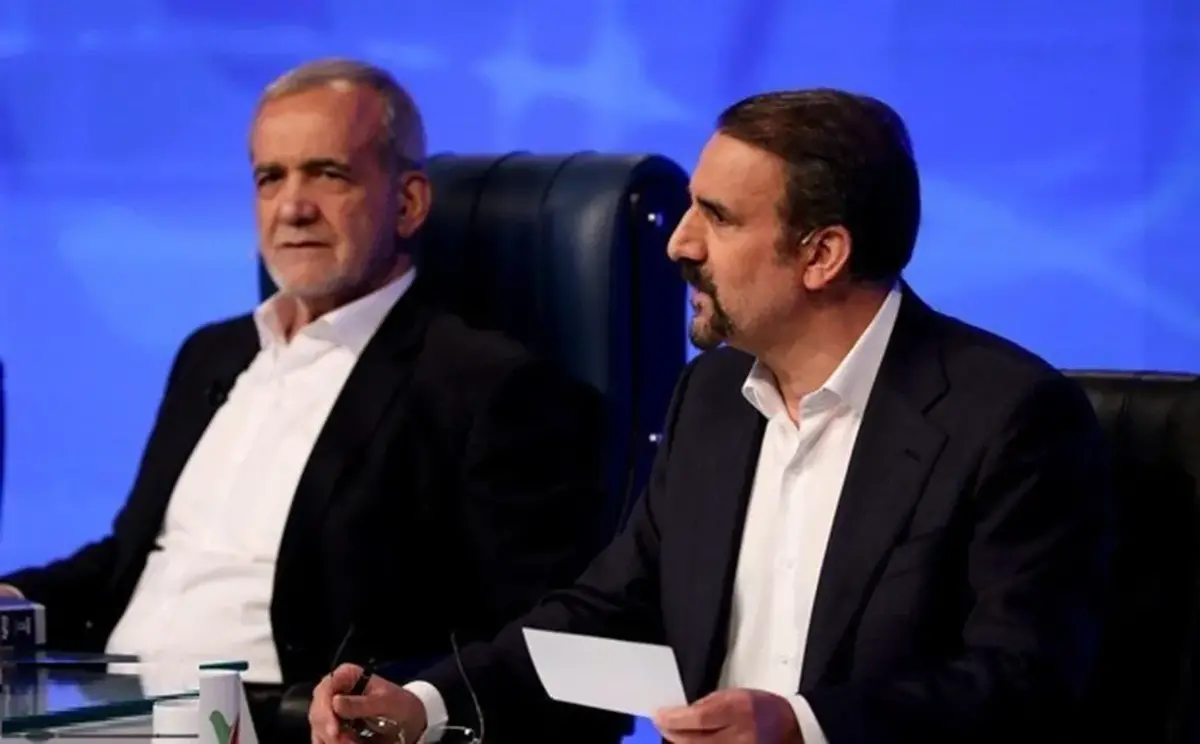
Key Takeaways:
- Mehdi Sanaei has submitted his resignation as political adviser to the president, though acceptance remains unclear.
- Government spokesperson said resignations do not necessarily indicate serious dispute and praised Sanaei’s continued potential contribution.
- Background: Sanaei is a former ambassador to Russia, an academic at the University of Tehran and a former parliamentarian.

The Iranian government has confirmed that Mehdi Sanaei, the president’s political adviser, has tendered his resignation, though it remains unclear whether the resignation has been accepted. Government spokesperson Fatemeh Mohajerani acknowledged the submission during a weekly press briefing and emphasised that a resignation does not automatically indicate a rupture within the administration.
Mehdi Sanaei resignation and government response
Mohajerani told reporters that officials may submit resignations for a variety of reasons, including professional differences rather than outright conflict. She said: “When people resign it does not necessarily mean disagreements have escalated; they may simply hold different expert views. Individuals should remain in posts only as long as they feel they can fulfil the role they were appointed to.”
According to the spokesperson, the resignation had been offered previously and was not then accepted. She added that she did not know whether the latest submission had been approved. Mohajerani also reiterated the administration’s intent to draw on the capabilities of all qualified individuals and said that, based on her knowledge of Mr Sanaei, he would continue to assist the government even if he left office.
Background on Mehdi Sanaei
Mehdi Sanaei, born in Nahavand in 1968, is an experienced diplomat and reformist politician. He has served in a number of prominent roles, including as Iran’s ambassador to Russia. In 2013 he presented his credentials to President Vladimir Putin. More recently he was appointed deputy for political affairs in the presidential office in September 2024 and became political adviser in November 2024.
In addition to his government roles, Sanaei is an associate professor of international relations at the University of Tehran. He has twice represented the Nahavand constituency in the Iranian parliament and has longstanding ties within political and diplomatic circles; he is also the son-in-law of Ali Younesi, a former minister of information.
Implications for diplomacy and continuity
The announcement is likely to be viewed as an internal personnel matter rather than a shift in Iran’s foreign policy. Sanaei’s background, particularly his experience in Moscow, has been regarded as an asset in managing relations with Russia and regional partners. The government’s public assurance that it will continue to draw on the expertise of former officials suggests an emphasis on continuity.
For now, the primary question is procedural: whether the resignation will be accepted and, if so, how responsibilities will be redistributed within the presidential office. Observers will watch to see whether the change prompts any adjustment in advisory structures or diplomatic priorities, but officials have framed the development as part of routine personnel movement rather than a sign of instability.
The government’s stance, and Mr Sanaei’s potential continued cooperation outside of formal office, indicate that Tehran aims to preserve institutional knowledge and diplomatic capacity regardless of immediate personnel changes.








