Key Takeaways:
- Government spokesman says the central bank governor’s mission is to rebuild public confidence and review monetary and banking policies.
- Officials hope reforms will improve the stability and performance of Iran’s banking system.
- The Iran central bank appointment signals a focus on policy review and restoring credibility in financial institutions.

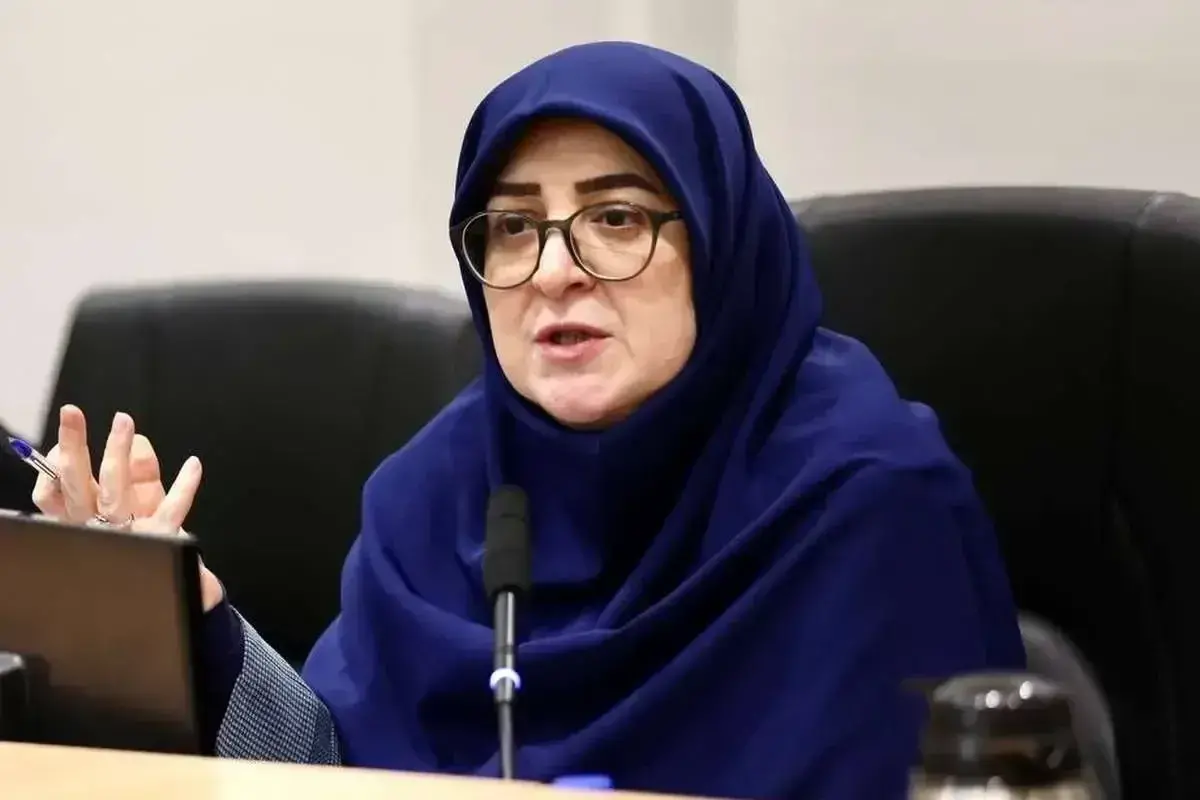
The Iranian government has framed the recent appointment of Hemmati to the country’s central bank as a deliberate step towards restoring confidence in the financial system and recalibrating monetary policy. In a press briefing, a government spokesman described the role of the new central bank governor as fundamentally focused on rebuilding trust and reassessing the foundations of monetary and banking policies.
Iran central bank appointment goals and expectations
Speaking to reporters, the spokesman said that for many years the economic debate in Iran has been marked by competing narratives. He argued that addressing those narrative battles is essential to achieving policy coherence. The government has set clear expectations for the central bank leadership: to conduct a comprehensive review of policy instruments, strengthen regulatory oversight and take measures to enhance confidence among depositors and investors.
Officials described the assignment not merely as a technical change but as a mission that carries reputational as well as operational responsibilities. Restoring trust in the banking system is expected to require visible policy adjustments, clearer communication with the public, and a programme of reforms designed to address longstanding weaknesses in liquidity, lending practices and risk management.
Market observers say that confidence in the central bank plays a central role in monetary transmission. When the public trusts monetary authorities, policy measures have greater impact on inflation expectations, currency stability and credit flows. The spokesman’s remarks indicate the administration intends to place a premium on transparency and credible policy signalling as part of the new governor’s remit.
From a practical perspective, the central bank’s review may encompass interest rate policy, reserve management, liquidity provision and bank supervision. Officials hope that such measures will not only stabilise day-to-day banking operations but also create the conditions for sustainable lending to productive sectors of the economy. Strengthening oversight could reduce non-performing loans and shore up the balance sheets of weaker banks.
Observers caution that rebuilding trust is a medium-term project. It requires both policy consistency and demonstrable outcomes. Reforms that are announced but not implemented risk further eroding confidence. Likewise, the central bank will need to coordinate with fiscal authorities to ensure that monetary measures are not undermined by inconsistent government borrowing or unplanned fiscal pressures.
The government’s public framing of this appointment seeks to reassure both domestic and international stakeholders that Iranian authorities are attentive to the underlying causes of financial instability. If the new leadership follows through with credible policy reforms, the move could ease some pressure on the banking sector and improve the business climate.
For now, the spokesman emphasised that the appointment represents the start of a renewed effort to reconstruct trust and modernise the policy framework governing money and banking. Officials expressed hope that the measures undertaken by the central bank will contribute to a stronger, more resilient financial system that supports economic recovery and growth.