











Key Takeaways:
- PL Capital reports that the US accounted for about 97% of India solar module exports between 2023 and 2025.
- Indian module shipments surged ninefold in 2023 and doubled again in 2024, driven by competitive pricing.
- Trade frictions are rising as the US probes alleged dumping and plans a 50% tariff from August 2025.
- India is scaling domestic production, targeting 180 GW module capacity by 2030 and higher renewable installations.

India has rapidly established itself as a key supplier of solar modules to the United States, according to a new report by PL Capital. Between 2023 and 2025 the US absorbed almost 97 per cent of India solar module exports, a shift that reflects changing global supply chains and the impact of US restrictions on China-linked imports.
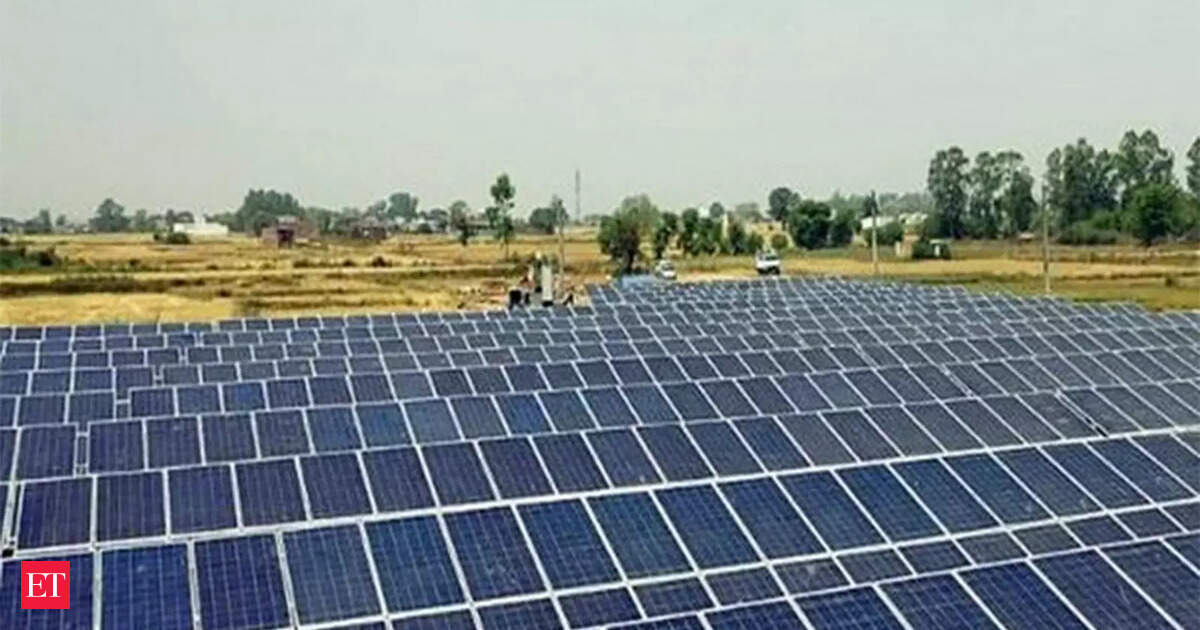
India solar module exports
The report finds Indian module exports rose nearly nine times in 2023 and then doubled again in 2024. Cost has been a decisive factor. Indian solar modules are estimated to be 19 to 21 per cent cheaper than US-made alternatives, helping manufacturers win contracts amid ambitious US deployment plans. The United States had a landmark year in 2024, adding 50 GW of solar capacity supported by federal and local incentives, which increased demand for competitively priced modules.
Despite the strong growth, India faces stiff competition from Southeast Asian manufacturers. Vietnam remains the largest supplier to the US with a 36 per cent share, while India increased its share of US solar imports from 3 per cent in 2022 to 11 per cent in 2024. PL Capital describes India as a credible alternative supplier in the global solar value chain, though market dynamics remain fluid.
Policy and trade developments now present material risks to exporters. The US Department of Commerce is investigating alleged dumping claims that cite margins as high as 123 per cent for Indian-made modules. In addition, a new 50 per cent tariff on Indian solar imports is scheduled to take effect in August 2025, a measure linked in part to broader geopolitical concerns including energy relations with Russia. These measures would increase costs for buyers and could blunt export growth.
Indian manufacturers and policymakers are responding by expanding domestic capacity. Total power generation capacity in India grew from 356 GW in 2019 to 475 GW in 2025, largely driven by renewables. Projections indicate renewable installations could reach 430 GW by 2030, with solar expected to account for a significant share. Industry estimates place India’s module manufacturing capacity at about 180 GW by 2030, supported by incentives and manufacturing policies aimed at bolstering local production and export competitiveness.
Market observers say the next 12 to 24 months will be decisive. If the US maintains high tariffs and proceeds with trade remedies, Indian exporters may need to pivot to alternative markets or accelerate localised manufacturing within the United States through joint ventures and contract manufacturing. Conversely, sustained cost leadership and supportive Indian policy could preserve export momentum even in the face of protectionist measures.
For now the PL Capital data positions India as an important player in global solar supply, balancing rapid export growth with the challenge of rising trade tensions. The country’s broader renewable expansion suggests it will remain a central figure in efforts to scale solar deployment worldwide, provided policymakers and industry can navigate the forthcoming trade hurdles.








