Key Takeaways:
- Switching a flexible‑fuel car to bioethanol reduces CO2 by around 72% compared with petrol, saving roughly 1.11 tonnes of CO2 a year for a typical daily commute.
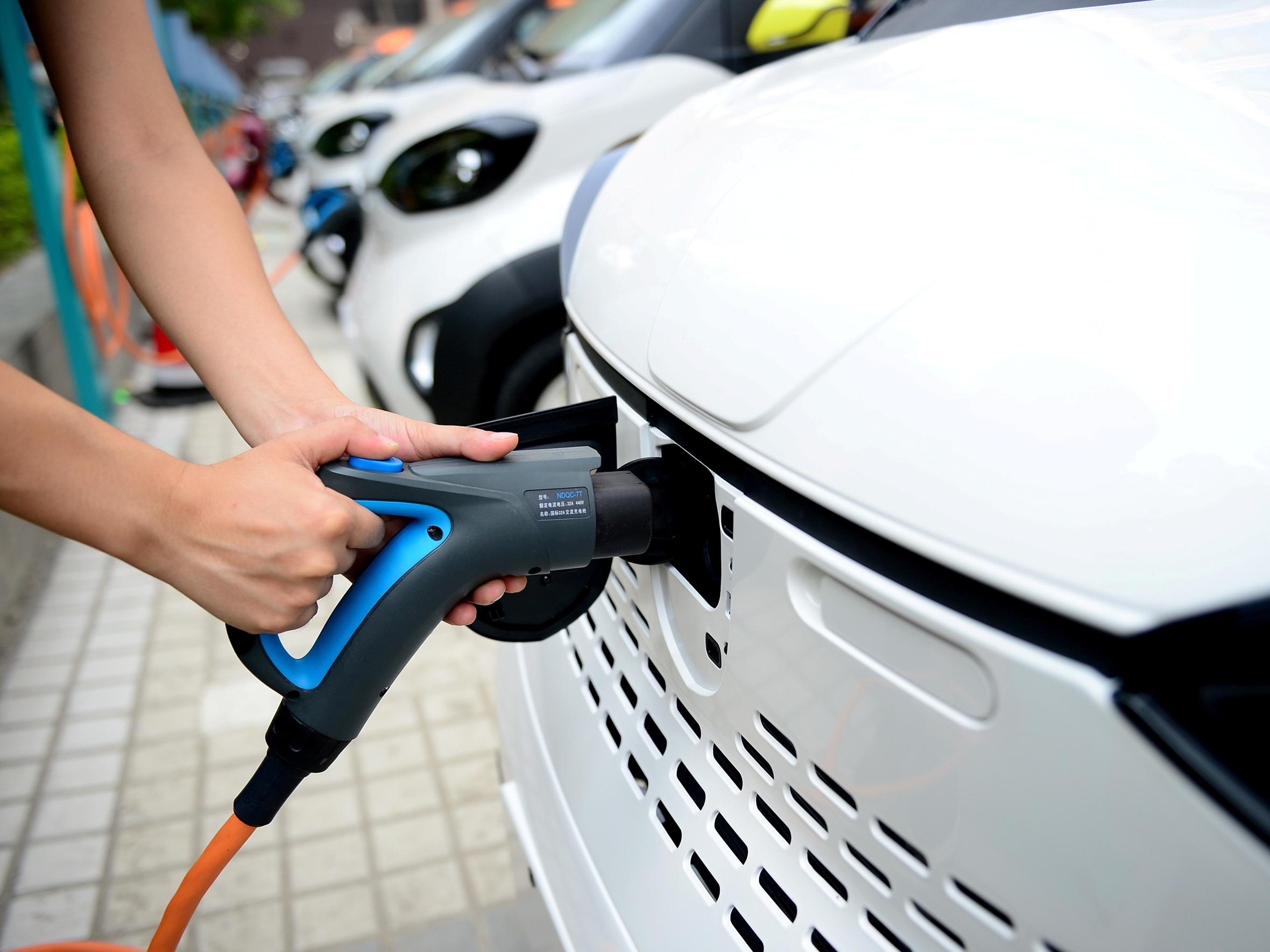
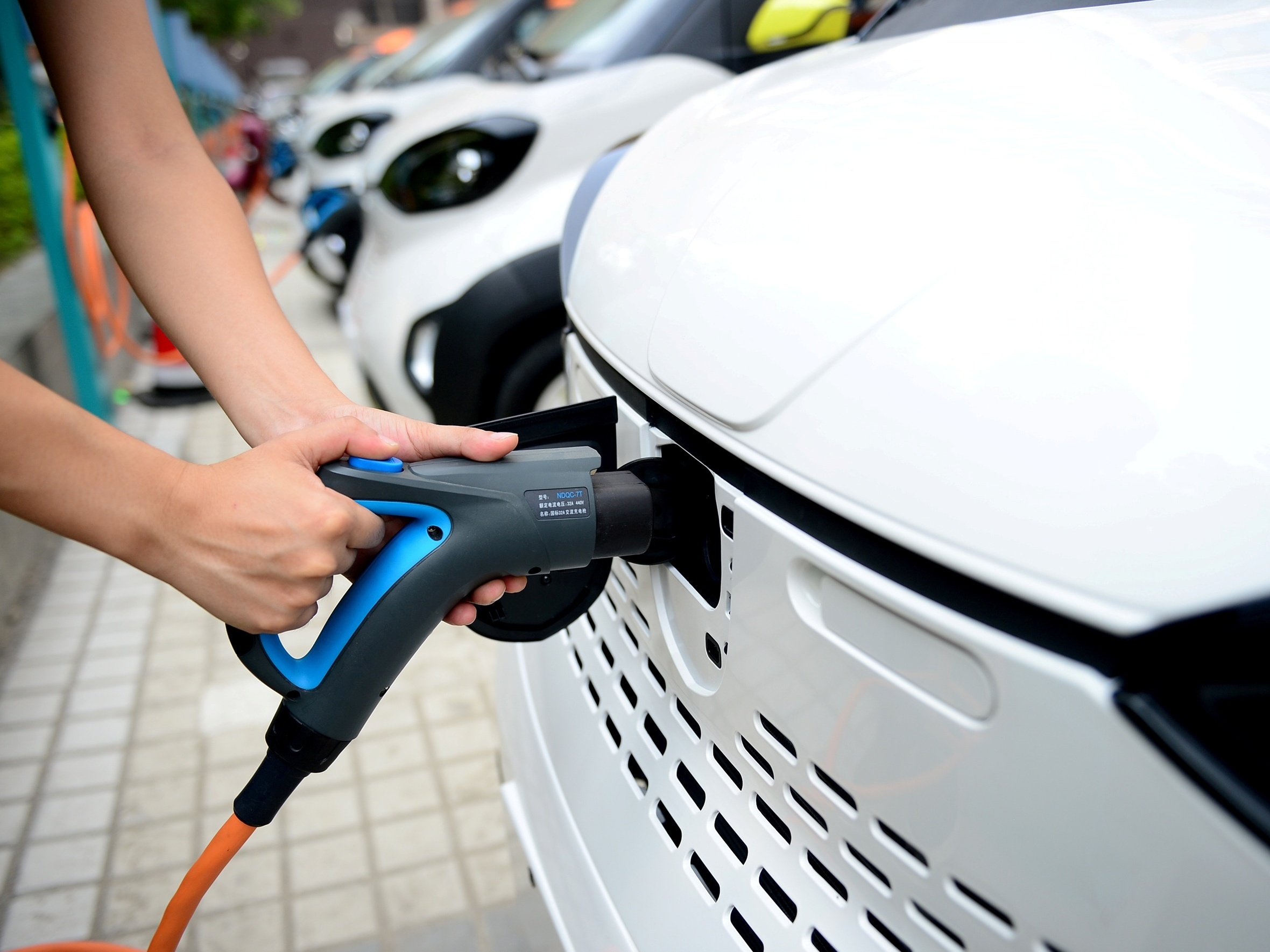
- Electric vehicles in Brazil can reduce CO2 by about 86% versus petrol, thanks to a largely renewable grid, delivering near‑zero operational emissions and about 1.32 tonnes saved annually.
- Brazil vehicle emissions are lower than many peers because the national grid is 88% renewable, versus 27% globally, magnifying the climate benefits of electrification.
- Reduced fossil fuel use also improves urban air quality and public health, though bioethanol still emits some pollutants such as NOx and CO.

Brazil is showing how cleaner energy and alternative fuels can sharply reduce transport emissions, with immediate benefits for climate targets and public health. Recent data compare average CO2 emissions per kilometre for three common fuel types and demonstrate large gains from using bioethanol or electric vehicles instead of petrol.
Brazil vehicle emissions and the impact of fuel choice
Measured emissions average 154 g CO2/km for petrol cars, 43 g CO2/km for vehicles running on bioethanol and 22 g CO2/km for electric cars. That means a flex‑fuel car using bioethanol avoids about 111 g CO2/km – a 72% reduction relative to petrol. An electric car avoids around 132 g CO2/km, an 86% cut. On a typical daily commute of 27 kilometres, those reductions add up to roughly 1.11 tonnes of CO2 saved per year for bioethanol and 1.32 tonnes for an electric vehicle.
Why Brazil’s grid matters
One reason Brazil’s shift looks particularly effective is the country’s power mix. The national electricity matrix is roughly 88% renewable, compared with a global average of about 27%. That high share of renewables means electric vehicles in Brazil produce very low lifecycle emissions at the point of use. The environmental advantage of renewables also strengthens the case for bioethanol despite its lower energy content per litre when compared with petrol.
When assessing costs at the pump, drivers and policymakers should look beyond immediate price and account for wider environmental and economic benefits. Even if bioethanol delivers around 70% of the energy efficiency of petrol, its lower carbon footprint and the economic gains of a renewable‑based matrix can outweigh the raw fuel price comparison.
Socio‑economic and health stakes
Climate change already imposes heavy economic costs and could reduce global GDP by as much as 20% if large‑scale adaptation and mitigation measures are not adopted. In Brazil, extreme heat events have become a leading cause of weather‑related deaths, exceeding fatalities from landslides or floods in many cases. Urban air pollution linked to fossil fuel combustion remains a serious public health challenge globally, estimated to cause up to seven million deaths each year and to reduce life expectancy in metropolitan São Paulo by two to four years.
Reducing reliance on petrol through broader use of bioethanol and electrification can therefore deliver multiple dividends: lower greenhouse gas emissions, fewer harmful pollutants in city air, and improved public health outcomes. Yet trade‑offs remain. Bioethanol emits fewer sulphur oxides and particulate matter than fossil fuels but still releases nitrogen oxides and carbon monoxide. Policymakers must weigh these impacts alongside land use and agricultural considerations when promoting biofuel expansion.
Electric vehicles, powered on Brazil’s largely renewable grid, offer the clearest path to near‑zero operational emissions. To realise the full potential, investments are needed in charging infrastructure, grid modernisation and policies that encourage clean vehicle uptake while addressing social and economic equity.
As nations in the BRICS+ grouping pursue decarbonisation and sustainable growth, Brazil’s experience highlights how a renewable energy matrix amplifies the climate and public health benefits of cleaner transport options.