Key Takeaways:
- Delivery platforms are offering enhanced pay and lucky-draws to deter the December 31 riders strike.
- Incentives include up to Rs 10,000, per-order bonuses and prizes such as electric scooters.
- Unions demand better pay, job security and social protection; prior flash strikes caused widespread delays.
- Quick-commerce firms are also promoting party supplies to cope with potential disruption to year-end demand.

Delivery Apps Offer Rewards Ahead of December 31 Riders Strike
As a planned walkout by thousands of delivery riders approaches on December 31, India’s quick-commerce and food-delivery platforms have moved to shore up last-mile capacity with higher pay, bulk bonuses and promotional draws. The measures aim to keep couriers online during one of the busiest nights of the year and limit operational disruption to customers and merchants.
December 31 riders strike raises stakes for year-end trade
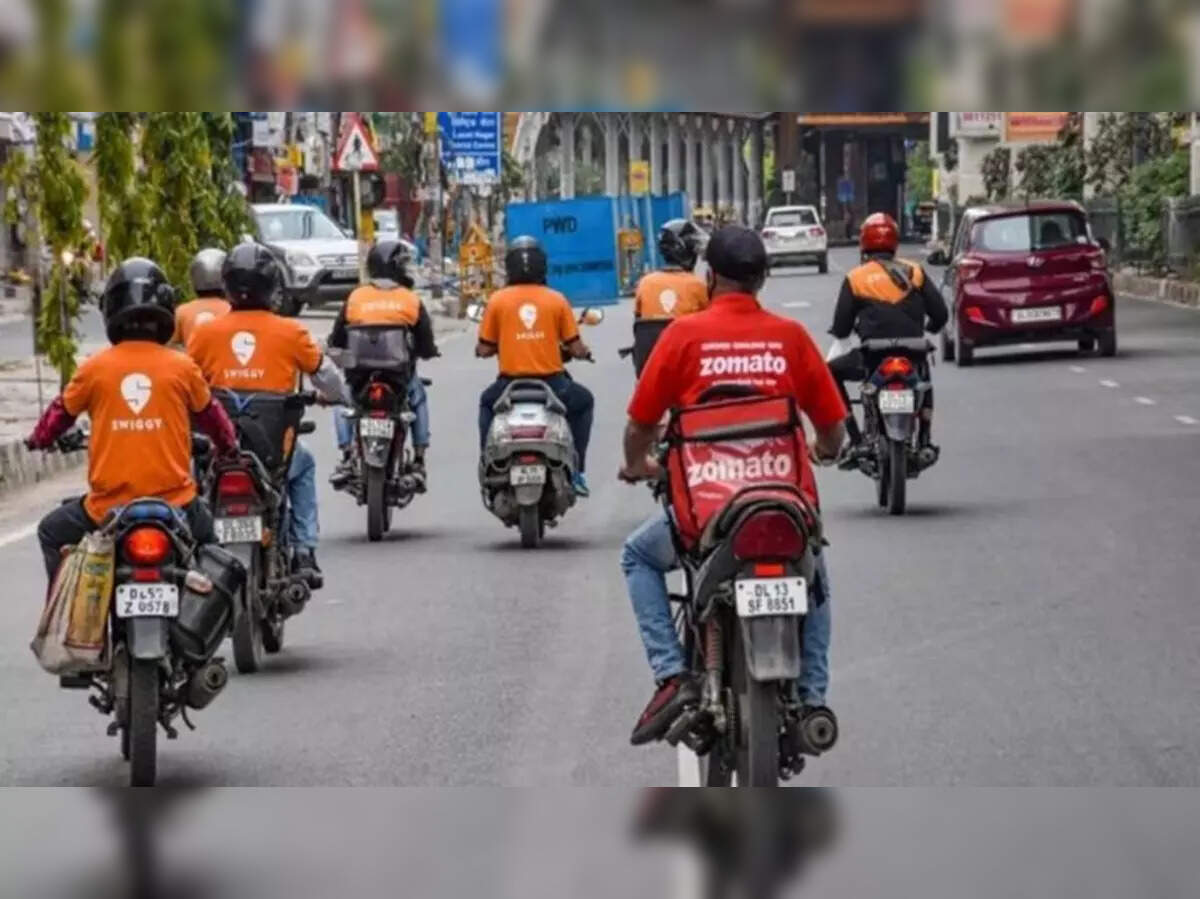
Unions representing app-based couriers have warned of a strike involving roughly 100,000 to 150,000 riders, a move that could hit orders on New Year’s Eve when companies typically report record volumes. In response, firms such as Swiggy, Zomato, Instamart, Zepto and others are advertising targeted incentives to encourage availability across peak hours.
Videos shared in riders’ WhatsApp groups claim Swiggy and Zomato are offering incentives of up to Rs 10,000 for those who stay online on December 31 and January 1. Swiggy is also conducting a lucky draw that gives top-performing riders a chance to win an electric scooter. Instamart has publicised a scheme promising up to Rs 2,000 for work between 7pm and 11pm on the 31st.
Zepto riders reported additional per-order pay during peak periods, with claims of Rs 25 extra per order between 6pm and midnight and Rs 35 per order for deliveries after midnight until 2am. Platforms say they routinely deploy order-based incentives during heavy-demand occasions to ensure sufficient delivery capacity.
Union demands and recent disruption
The Indian Federation of App-Based Transport Workers and the Telangana Gig and Platform Workers Union (TGPWU) called strikes on December 25 and 31 to press for higher pay, safer working conditions, job security and social-protection benefits. On Christmas Day, unions said roughly 40,000 riders staged flash strikes and organised bike rallies, leading to significant delays in deliveries in many cities.
Companies have not issued formal public statements on the Christmas disruption. Several major platforms did not respond to enquiries by press time. Meanwhile, firms beyond the three largest players are reinforcing last-mile rosters. Bigbasket said 80% of its gig workforce had pre-booked shifts and that festive-period incentives are in place.
Operational planning and consumer impact
Quick-commerce companies have begun encouraging customers to stock up for New Year’s gatherings and have introduced party-themed sections featuring soft drinks, snacks, mixers, disposable cups and decorations. Retail promotions aim to capture demand while also smoothing order flows should rider availability fluctuate.
For consumers and merchants, the combination of incentives and promotional pushes is intended to limit the knock-on effects of any work stoppage. For riders, the standoff highlights broader questions over pay, protections and the sustainability of gig work at a time when platforms depend on flexible labour for critical last-mile services.
As December 31 approaches, platforms will balance short-term payments to secure capacity with longer-term responses to union calls that may require policy changes or new social-protection measures. The outcome will shape how India’s delivery ecosystem manages labour relations during peak commercial moments.