Key Takeaways:
- CM A. Revanth Reddy directs GHMC zonal commissioners to implement a five‑year action plan for planned development within the Outer Ring Road.
- Zonal officials must conduct daily field visits and will be held accountable for issue resolution.
- Citywide sanitation drives, a move to ban single‑use plastic and a shift to electric public transport inside the CURE limits were ordered.
- Priority actions include desilting drains from January and protecting lakes and nalas to reduce flooding risk.

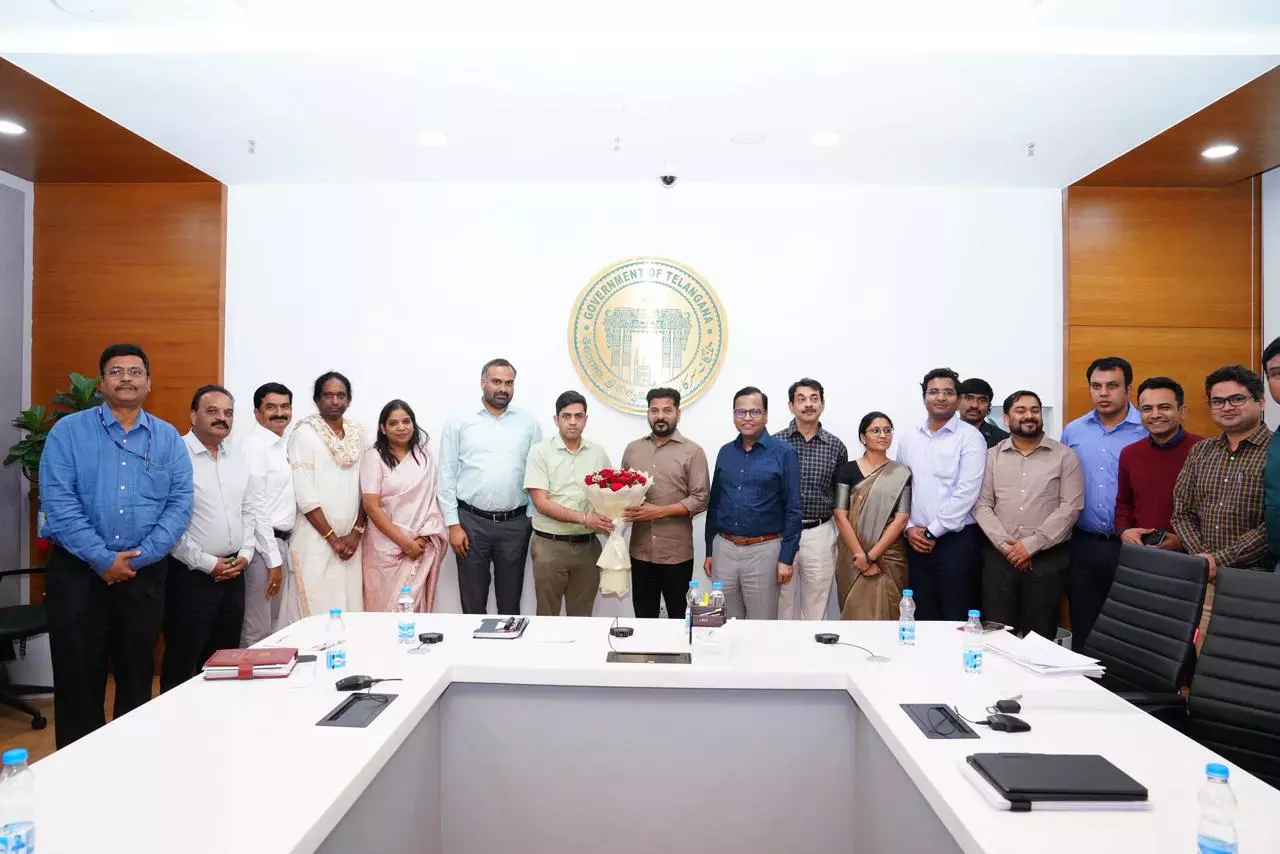
Hyderabad’s Chief Minister A. Revanth Reddy has ordered a sharp programme of administrative action, instructing newly appointed Greater Hyderabad Municipal Corporation (GHMC) zonal commissioners to pursue planned development inside the Outer Ring Road and to undertake daily field visits to resolve local problems.
Hyderabad smart governance
Speaking at a meeting with senior municipal officials, the Chief Minister said the city has been reorganised into 12 zones, 60 circles and 300 wards under the Core Urban Region (CURE) framework and tasked the commissioners with preparing a comprehensive five‑year action plan. “We have decided to overhaul the Core Urban Region,” he said, setting clear targets for accountability and delivery.
Revanth Reddy made accountability central to the new approach, telling zonal commissioners that they must carry out field visits every day and that they will be held solely responsible for resolving issues within their zones. The directive aims to improve responsiveness on matters ranging from waste collection to civic amenities and local infrastructure repairs.
Waste management, the Chief Minister said, remains the city’s most complex challenge. To tackle this, he ordered a special sanitisation drive to run for three days every month across the CURE area, and issued firm instructions to begin measures leading to a complete ban on single‑use plastic within city limits. Officials were told to intensify garbage segregation, improve door‑to‑door collection and accelerate scientific processing of waste.
On transport, Revanth Reddy urged a transition to eco‑friendly options. Diesel buses and auto‑rickshaws operating inside the CURE limits have been ordered to be phased out in favour of electric vehicles. The move is intended to reduce local air pollution and support broader city efforts to lower carbon emissions while improving public transport comfort and reliability.
Flood mitigation and urban planning were also high on the agenda. The Chief Minister emphasised that lakes and drains (nalas) must be protected from encroachments and directed that desilting of drains commence from January. He instructed HYDRAA, GHMC and the Water Works departments to coordinate closely and share responsibility for these initiatives, aiming to strengthen the city’s defences against seasonal flooding.
The measures combine short‑term operational steps with longer‑term planning. Daily field visits and monthly sanitisation drives are presented as immediate, measurable actions, while the five‑year plan under the CURE reorganisation is intended to guide investment, infrastructure upgrades and land‑use decisions.
Local officials will now be judged on their ability to deliver visible improvements on the ground. For residents, the directives promise cleaner streets, swifter redress of civic complaints and improvements to drainage and flood resilience. For businesses and investors, clearer planning within the ORR boundary may provide greater certainty about infrastructure and regulatory intent.
Implementation challenges remain, including securing funding, ensuring inter‑agency coordination and managing the transition of transport fleets. The Chief Minister’s emphasis on accountability, however, signals a push to convert policy announcements into regular administrative practice and visible results for citizens.
Officials were instructed to submit detailed action plans and timetables, with progress to be tracked at regular intervals. The next steps will show whether the combination of reorganisation, daily oversight and targeted environmental measures can deliver more effective urban governance for Hyderabad.