











Key Takeaways:
- Three‑year‑old leopard fell into a seven‑metre deep well in Chittar area and was secured after an 11‑hour operation.
- Pattanamthitta leopard rescue involved forest department RRT, local residents and improvised pipe and pump repairs to drain the well.
- Animal was tranquillised, examined at the forest office and deemed healthy for release into the Gavi forest.

A three‑year‑old leopard that fell into a deep well in Pattanamthitta was rescued on Tuesday after an 11‑hour operation carried out by the forest department and local residents. The animal, which landed in a well near a house in the Chittar area, was secured, tranquillised, medically examined and is to be released back into the Gavi forest reserve.
Pattanamthitta leopard rescue: coordinated effort secures animal
The incident was reported in the early hours when neighbours discovered the big cat at the bottom of a household well about seven metres deep. The well contained a significant amount of water, making immediate extraction risky both for people and the animal. Forest wing officials and the Rapid Response Team (RRT) arrived on the scene and worked with local residents to stabilise the animal and prepare for recovery.
Officials said the rescue required a prolonged effort. Teams first secured the well by lowering ropes and improvised barriers to prevent the leopard from attempting to leap out and injuring itself. Because the well still had water and the animal had the strength to swim, rescuers decided that tranquillisation would be necessary once the situation had been controlled.
Practical difficulties slowed the operation. The original pump set in the well was damaged after the animal bit at equipment, forcing rescuers to remove heavy iron pipes and substitute damaged sections with plastic piping to drain the water. Once the water level was sufficiently reduced and the animal stabilised with a rope harness, authorised personnel administered a controlled tranquilliser shot.
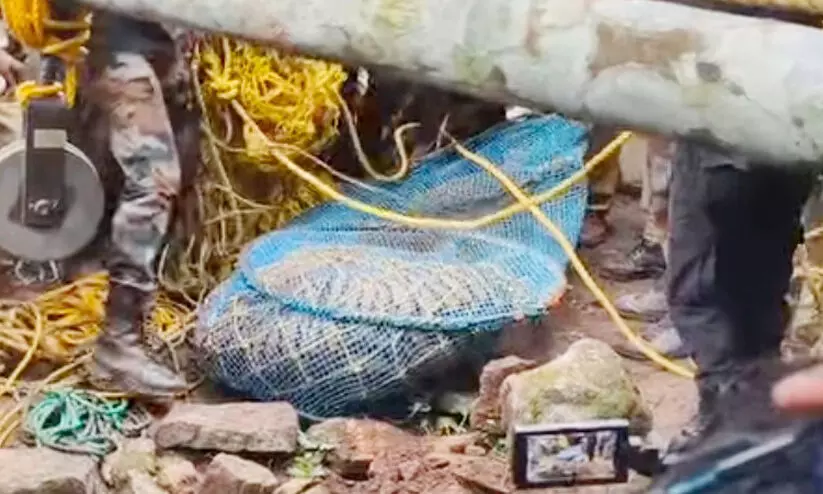
After the leopard was safely lifted from the well and brought to the roadside, forest department veterinarians conducted a health assessment at the Chittar forest office. They found the animal to be in good condition and concluded that it could be returned to its natural habitat. Officials indicated that the leopard is likely around three years old and showed no serious injuries from the ordeal.
Rescue team members praised the cooperation of local residents who helped contain the animal and assisted in practical tasks such as draining the well. Forest staff also noted the importance of prompt reporting and careful on‑site management to avoid escalating the risk to both humans and wildlife during such incidents.
Authorities confirmed plans to release the leopard into the Gavi forest area, a suitable habitat with sufficient cover and prey. The release will take place once final veterinary checks are complete and the animal has fully recovered from the effects of the tranquilliser.
Incidents of big cats entering human‑used spaces are not uncommon in parts of Kerala where forested tracts adjoin agricultural and residential zones. Forest officials urged residents to cover old wells and maintain secure boundaries to reduce such encounters. They also reminded the public to report wildlife sightings promptly to the forest department rather than attempting to manage the situation independently.
The successful rescue in Pattanamthitta highlights how coordination between authorities and local communities can result in humane outcomes for wildlife while safeguarding people. The forest department’s RRT will continue monitoring the area and overseeing the leopard’s release into the reserve once all conditions are met.








