Key Takeaways:
- Salvador approved a R$67 million subsidy in 2025 to limit a larger increase in bus fares.
- The subsidy split R$63 million to conventional bus operators and R$4 million to the STEC “amarelinhos” service.
- Without the support, fares could have risen to R$6.02; the technical cost per trip is R$6.19, leaving a city shortfall of R$0.59 per passenger.
- With 14 million monthly passengers, the annual shortfall reaches around R$99.1 million, prompting debate over 2026 adjustments.

The mayor of Salvador, Bruno Reis (União), signalled that bus fares are likely to be adjusted in 2026, reopening debate over the cost of public transport in Brazil’s Bahia state capital. His remarks came during a press briefing at the Virada Salvador festival on 29 December.
In November, the Salvador city council approved a temporary budget subsidy intended to curb a larger fare increase in 2025. Under Project of Law No. 522/2025, the council authorised up to R$67 million in public funds for the municipal transport system.
Salvador bus fare subsidy and how funds were allocated
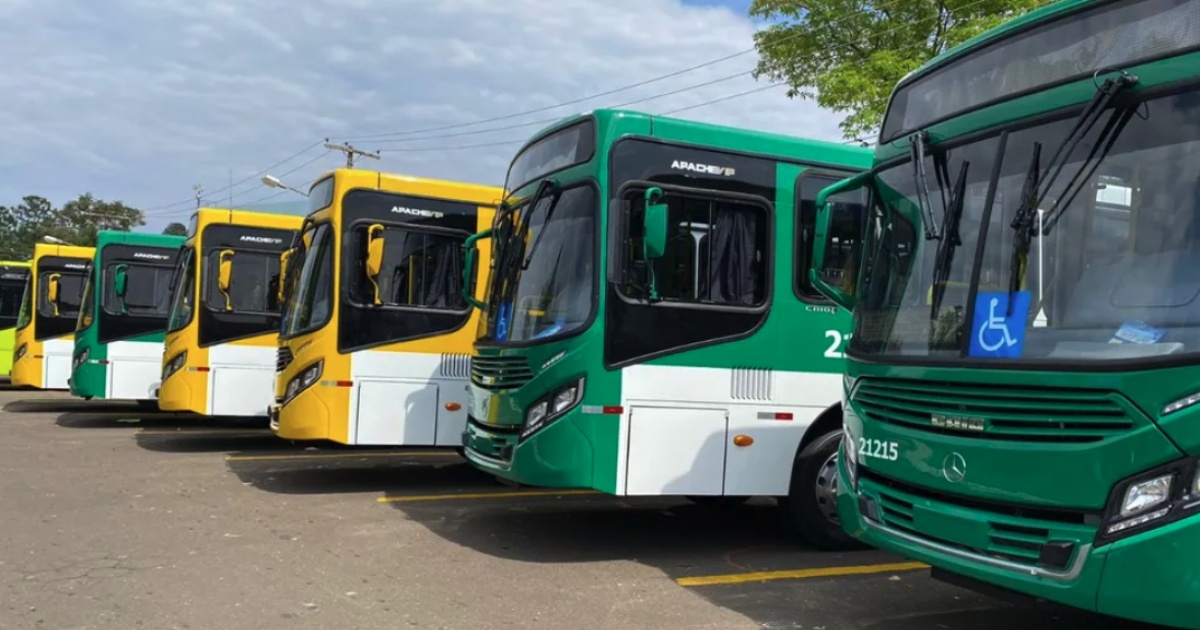
The approved amount was divided between the city’s transport operators. Of the R$67 million, R$63 million went to concessionaires operating the conventional bus network, while R$4 million was reserved for permission-holders in the Subsistema de Transporte Especial Complementar (STEC), commonly known as the “amarelinhos”.
The subsidy covers services provided between the 2025 tariff adjustment reference date and 31 December 2025. Officials said the measure sought to preserve tariff affordability, avoid steeper increases for users, and maintain the economic balance of existing concession contracts.
Financial impact and outlook
During the bill’s consideration, the municipal administration presented calculations showing that, without the public injection, the fare could have risen to R$6.02 in 2025. The fare charged at the turnstile today is R$5.60. The city says the technical fare required to cover system costs is R$6.19, which implies an implicit subsidy of R$0.59 per passenger.
Using the administration’s passenger estimate of 14 million trips per month, the mayor outlined the annual fiscal implication. Multiplying 14 million by R$0.59 and then by 12 months produces an annual gap of roughly R$99.1 million. That calculation underpins Mayor Reis’s remark that the council’s subsidy “paid the bill for 2025” while leaving the question of future adjustments open.
Mayor Reis also noted that concession contracts include a parametric formula that factors in the IPCA inflation index and diesel price corrections to determine tariff adjustments. He warned that the subsidy is a temporary measure and does not remove the need for continued financial discussion ahead of 2026.
Opponents and analysts will watch closely as the city balances affordability for users with the fiscal burden on the municipal budget. The subsidy provided short-term relief for passengers, but the administration must now consider how to close a structural gap without passing disproportionate costs to commuters.
As Salvador moves into 2026, residents and stakeholders can expect further debate over whether additional public funds, contract renegotiations, or operational efficiencies will be used to manage fares while ensuring the viability of the urban transport system.