Key Takeaways:
- Occupancy for 31 Dec–4 Jan 2026 in Salvador expected to reach 85.28%, driven by Réveillon demand.
- Demand is shifting to central and residential neighbourhoods such as Armação, Caminho das Árvores and Pituba, expanding the Salvador short stay market.
- Short-stay popularity rose from 3.7% of visitors in 2023 to 4.9% in 2024, matching the rate of visitors staying in private homes.
- Developers are launching versatile projects aimed at both residents and investors, offering new routes for tourism decentralisation and investor returns.

Salvador is set to see a significant uptick in short-stay rentals over the Réveillon period, with a specialist study indicating strong demand for properties across the city. Data from Seazone, a manager focused on the short-stay segment, suggests average occupancy between 31 December and 4 January 2026 could reach 85.28% in the Bahian capital.
Salvador short stay market attracts central neighbourhoods
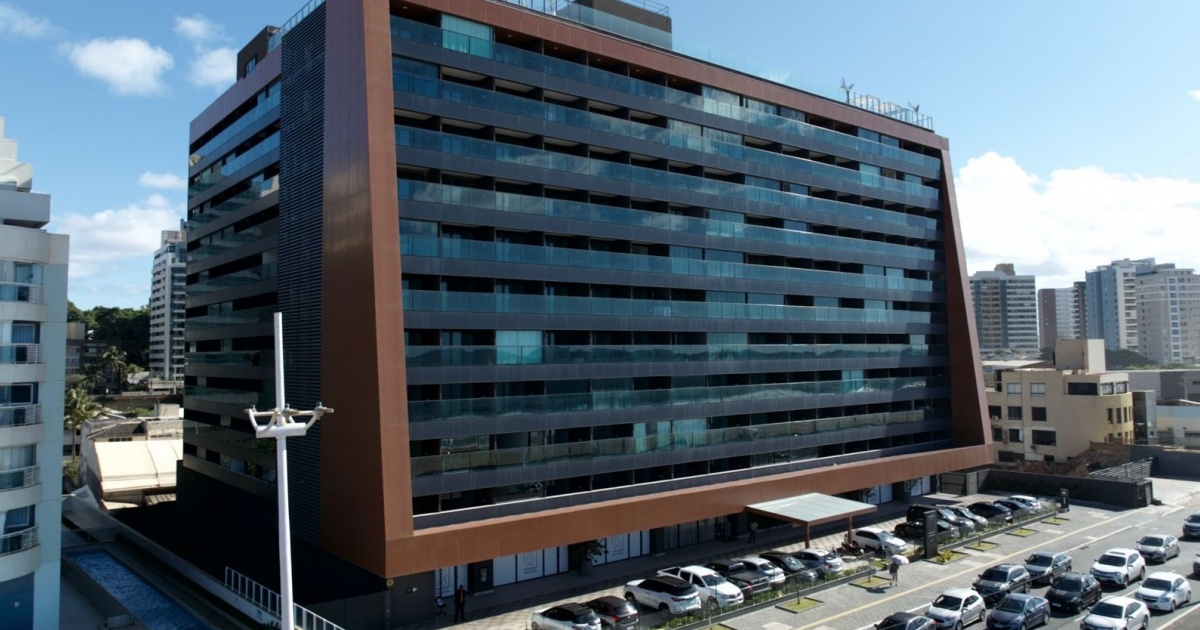
The trend is notable for where demand is growing. Rather than clustering exclusively around the traditional tourist corridor, visitors are increasingly booking in central and residential areas. Neighbourhoods such as Armação, Caminho das Árvores and Pituba have emerged as promising locations for short-stay offerings, thanks to strategic positioning, better urban mobility and a wide range of local services.
Municipal tourism observatory figures support the shift. The Observatório do Turismo of Salvador’s Municipal Secretariat for Culture and Tourism reports that the share of visitors choosing seasonal rentals rose from 3.7% in 2023 to 4.9% in 2024. That latter figure places short-stay arrangements on par with stays in private homes and points to a gradual change in tourist behaviour.
Industry actors say the pattern is influencing how new real estate projects are conceived. Developers with long-standing local experience are responding to demand by designing units that can serve both long-term residents and short-stay guests. Daniel Sande, CEO of Incorporação at André Guimarães, one of the region’s established developers, says demand is shifting towards well-located properties with easy access to major events, transport links and services. He adds that this has made central areas more attractive for new projects.
“There is growing demand for accommodation in locations that provide quick access to events and good mobility,” Sande said. “This encourages the development of versatile projects that appeal both to people seeking a home and to investors interested in seasonal rentals.”
Some developers have already introduced product lines tailored for the short-stay market. Projects promoted as flexible living options — cited by market participants as examples like the Art Studio line — aim to broaden accommodation options in the city while contributing to tourism decentralisation. For owners and investors, such assets may offer a way to diversify income, particularly during high-demand periods such as Réveillon.
Analysts note several implications. For the tourism sector, a larger short-stay market can increase overall capacity without relying solely on hotels, helping the city capture a wider mix of visitors. For the real estate market, the shift supports investment in central and residential districts and encourages developers to design multi-purpose units.
Local authorities and investors will likely monitor how these dynamics evolve after the Réveillon season. If occupancy forecasts materialise, the short-stay segment could become a more significant component of Salvador’s tourism and property markets, driving both new development strategies and a more dispersed visitor footprint across the city.