Key Takeaways:
- Nigeria fuel subsidy removal has increased funds flowing to state governments, with many now budgeting over N1 trillion annually.
- FCT Minister Nyesom Wike says states received far more than during his time as Rivers governor, calling for citizens to demand accountability.
- Wike noted the Federal Capital Territory receives only 1% from the federation account and relies on internally generated revenue.
- The FCT Administration has invested in infrastructure, education, health and agriculture while Wike predicts political gains for the ruling party in local elections.

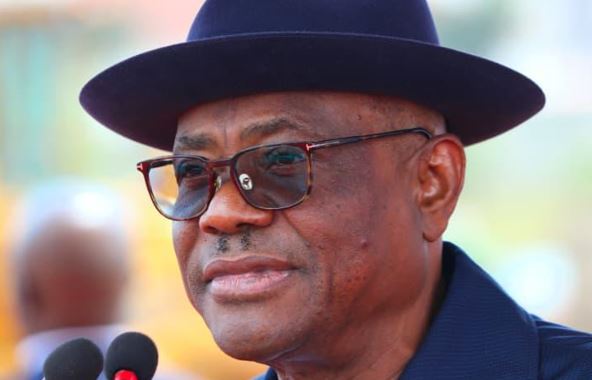
Nyesom Wike, Minister of the Federal Capital Territory, told reporters in Port Harcourt that the removal of the fuel subsidy by President Bola Tinubu has released significant funds to state governments across Nigeria. Speaking during his end of year media chat, Mr Wike said many states are now preparing annual budgets in excess of N1 trillion, a level of funding he said he had never seen during his eight years as governor of Rivers State.
Nigeria fuel subsidy removal drives larger state budgets
Mr Wike contrasted current allocations with his experience in Rivers, noting that he never received more than N200 billion in a year from the Federation Account while governor. He argued that the redistribution following subsidy removal has opened new fiscal space for subnational governments but warned that the influx of cash carries risks if not properly managed.
“States are now making a budget of over a trillion because the removal of fuel subsidy has now made money available to the states,” he said, adding that smart actors are seeking to claim their share of the national resources by various means. Mr Wike urged citizens to hold their governors to account, saying that greater public oversight would help ensure the new revenues translate into improved services and living standards.
On the specific situation of the Federal Capital Territory, the minister reminded listeners that FCT receives only 1 per cent of the federal share from the Federation Account. Using a simple example, he said that if the Federation Account pays N1 trillion to the federal government, the FCT’s share would be N10 million — an amount he described as insufficient even for routine salary obligations. He noted that the FCT must therefore rely heavily on internally generated revenue to fund projects and services.
Despite fiscal constraints, Mr Wike said the FCT Administration has prioritised visible interventions in infrastructure while also supporting education, health and agriculture. He said these efforts were intended to raise living standards for residents and deliver tangible benefits from available funds.
Mr Wike also struck a political note, expressing confidence that candidates of the All Progressives Congress would win forthcoming FCT area council elections. He attributed this to President Tinubu’s actions in the local government areas, which he said provide the ruling party with an advantage.
While welcoming the additional resources now reaching state governments, Mr Wike cautioned that money has its limitations and that goodwill and prudent governance remain essential. He argued that in some instances, non-financial factors determine success and that leaders must combine resources with sound policies.
The minister’s comments highlight a central challenge for Nigeria as revenue flows shift: converting larger budgets into better public services requires stronger accountability, transparent budgeting and effective public institutions. Observers say state governments will need to strengthen financial management and public engagement to ensure the purported gains from the subsidy removal are sustained and felt by ordinary citizens.