Key Takeaways:
- Bashkortostan social support budget grew by 6% to more than 47 billion rubles, reaching 1.2 million beneficiaries.
- Assistance for returned participants of the special military operation rose 2.3 times to 30.8 billion rubles, with 11 new measures added.
- Rehabilitation and employment programmes show progress: 77.8% employment and 86.3% medical check-up rates among returnees.
- Long-term care coverage expanded 3.7 times and about 4,000 social contracts were signed, prioritising large families and SVO participants.

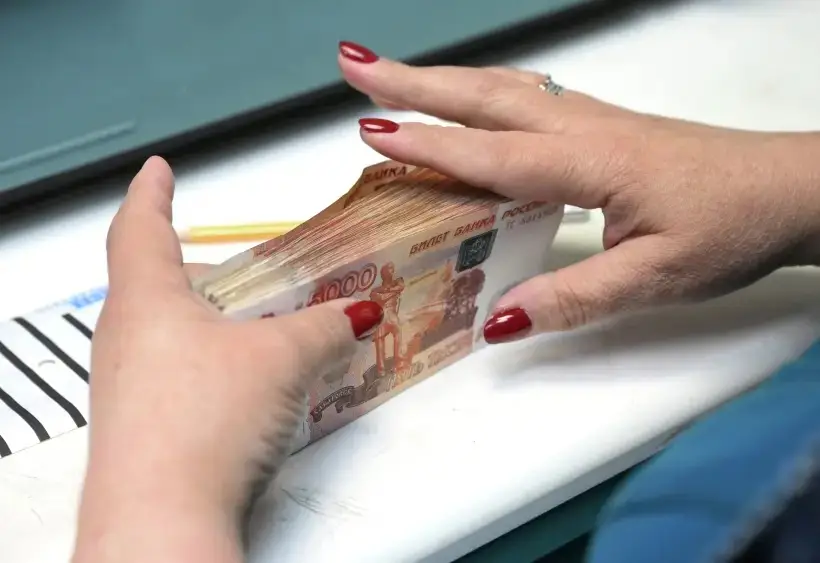
The government of Bashkortostan allocated more than 47 billion rubles to social support measures during the past year, representing a 6% increase on the previous period and benefiting roughly 1.2 million residents, the regional government press service said.
Bashkortostan social support overview
Officials highlighted a strong emphasis on aid for participants of the special military operation and their families. Funding for this group rose from 13.4 billion rubles to 30.8 billion rubles, a 2.3-fold increase. The republic introduced 11 additional measures during the year, bringing the total package to 54 comprehensive forms of support.
Authorities said the expanded assistance aims not only to provide financial relief but also to support social and medical reintegration. The region has prioritised adaptation programmes to help returning servicemen and women resume civilian life.
Support for returned participants and families
As of 1 December 2025, of 3,014 returned participants, 77.8% had found employment and 86.3% had undergone medical screening. One quarter had completed a full course of complex rehabilitation and 45.5% had received psychological or psychotherapeutic help. Municipalities host 27 Centres for support of participants and their families to coordinate services and follow-up care.
Multi-functional centres across the republic now provide 67 support measures, 38 of which are accessible through a single application. Officials said this streamlining reduces bureaucracy and speeds up access to services.
Social contracts and long-term care expansion
Social contracts remain a key element of the republic’s welfare system. Around 4,000 such contracts were signed in the reporting year, with priority given to large families and participants of the special military operation and their relatives. These contracts are intended to offer targeted assistance and encourage stable social outcomes.
The republic has also invested in long-term care for older people and disabled citizens. Coverage of long-term care services increased 3.7 times, and additional jobs were created for care assistants. Officials say the measures are designed to relieve pressure on families and improve quality of care for vulnerable groups.
Administration and next steps
Regional authorities said the funding increases and programme expansions reflect a wider commitment to social stability and rehabilitation. The government will continue monitoring employment, health and rehabilitation indicators among returnees and vulnerable groups to refine the support package. Local centres will maintain outreach and one-stop delivery of services to ensure timely access.
Officials emphasised that while financial support has grown, attention will remain on personalised rehabilitation, employment placement and psychological care for those affected. The measures combine direct payments with medical, social and employment services to provide a more integrated approach to social support.