











Key Takeaways:
- Municipalities along São Paulo’s coast are stepping up education and enforcement as electric mopeds proliferate, raising safety concerns.
- Electric moped regulations Brazil set from 1 January require helmets, registration and a driving licence for vehicles above specified power and speed limits.
- Local rules already bar high‑powered mopeds from cycleways while allowing lower‑power electric bicycles and autopropelled devices under strict speed limits.

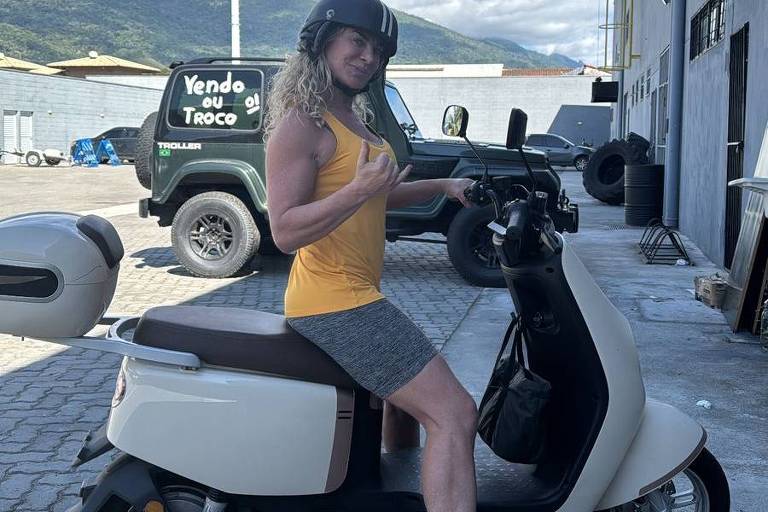
Coastal cities in São Paulo state have intensified campaigns and traffic checks to curb the unsafe use of electric mopeds on cycleways and promenades. The move comes as a new federal regulation takes effect on 1 January, standardising requirements for small motorised two‑ and three‑wheelers while prompting municipalities to tighten local controls.
Electric moped regulations Brazil and changes from 1 January
The federal law defines a ciclomotor as a two‑ or three‑wheeled vehicle with either an internal combustion engine of up to 50 cm³ or an electric motor with a maximum output of 4 kW and a factory top speed not exceeding 50 km/h. From 1 January, riders of such vehicles must wear helmets, register their vehicles and hold an ACC (Authorisation to Drive a Moped) or a Category A driver’s licence. Riders under 18 will be barred from operating these machines.
Municipalities had already anticipated parts of the new rules by pre‑emptively banning higher‑powered mopeds from cycleways and cycle lanes. Local authorities say that these measures are necessary to protect pedestrians and traditional cyclists, particularly in resort towns where tourist traffic can be heavy and unpredictable.
Ilhabela, a popular island destination on the north coast, has become a focal point. The town’s 12 kilometres of cycleways run close to the shoreline and to pedestrian areas. “The electric propulsion vehicles are becoming a very serious problem,” said Marcel Luiz Giorgeti Santos, director of the Traffic Division of Ilhabela. He said riders often use the cycleway at high speed, sometimes without helmets, and that children have been observed operating such machines.
Not all motorised personal mobility devices are treated the same. Lower‑power electric bicycles and autopropelled devices such as e‑scooters and electric skates are regulated differently. For example, some models with motors of up to 1,000 W and a maximum assisted speed of 20 km/h may use cycleways, provided they have no throttle and riders wear appropriate safety equipment. Vehicles that meet those limits do not require registration.
Other coastal cities have launched campaigns and checkpoints to educate and enforce. Caraguatatuba and Ubatuba held orientation sessions for traffic agents and municipal guards. In Santos, a municipal law already sets out rules for electric bicycles and autopropelled devices and prohibits ciclomotores from cycleways. The city’s awareness drive, launched in May, recorded 88 actions and reached 921 users up to the end of November.
Praia Grande recently approved a local law that restricts the use of electric mobility devices on pedestrian areas to elderly or mobility‑impaired users moving at no more than 6 km/h. The municipality also set a minimum age of 14 for riding electric bicycles and requires shared mobility operators to verify user age against the CPF, Brazil’s tax identification number.
Officials say the combination of federal regulation and local enforcement aims to strike a balance between encouraging sustainable personal mobility and protecting vulnerable road users. “These devices are part of daily life, and they must be used responsibly and within traffic rules,” said Wanderley Vivaldo de Sousa Neto, director of Education and Traffic Safety for Praia Grande.
As the 1 January deadline approaches, authorities along the São Paulo coast are urging users and rental companies to familiarise themselves with the new rules and to prioritise safety to avoid fines that range from medium to very serious under the Brazilian Traffic Code.








