











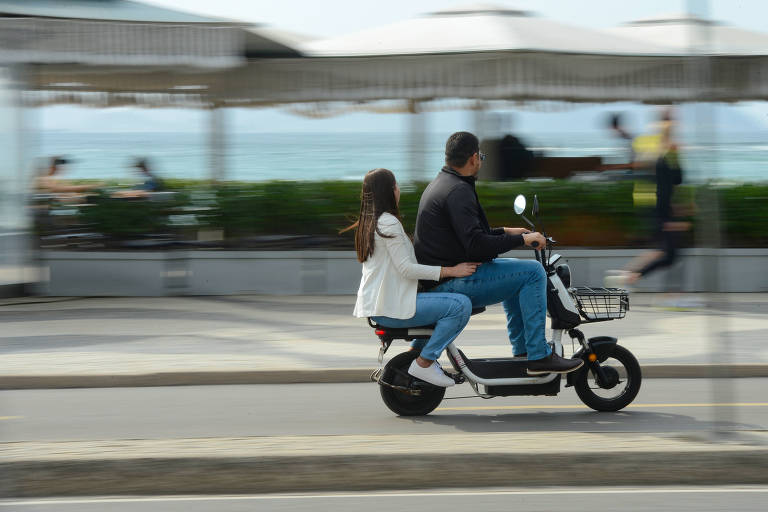
Key Takeaways:
- From 1 January Brazil will require registration and a driving licence for electric mopeds under new Contran rules.
- Electric mopeds must display licence plates and meet safety equipment standards; unregistered riders face heavy fines and impoundment.
- Regulation distinguishes mopeds from electric bicycles and scooters, which face different limits and allowed infrastructure.
- Authorities gave a multi-year adaptation period, but enforcement and registration rates remain uneven across states.

From 1 January new traffic rules in Brazil will require electric mopeds to be registered and ridden only by licensed drivers. The federal traffic council Contran approved the regulation in June 2023 and it now comes into force, imposing plate, licence and equipment obligations on two and three wheeled mopeds with electric motors.
Brazil electric moped rules and what changes
Under the resolution mopeds are defined as vehicles with two or three wheels, an electric motor up to 4 kW and a top factory speed not exceeding 50 km/h. Owners will need either an ACC authorisation to drive mopeds or a Category A driving licence. Riders without a licence will face penalties and minors under 18 are barred from operating these vehicles.
The regulation requires displayed licence plates and basic safety equipment such as helmets, rear-view mirrors, headlights and taillights. Riding an unregistered scooter or failing to wear a helmet will be treated as a serious infraction carrying a fine of R$293.47, seven points on the driving record and the risk of vehicle impoundment.
The rule also clarifies distinctions between electric mopeds, electric bicycles and self-propelled micromobility devices. Electric bicycles must have pedals and operate primarily via human propulsion. Their auxiliary electric motor is limited to 1,000 W and assistance cannot push speed above 32 km/h. These bikes may use cycle lanes and cycle tracks, which mopeds are forbidden to do.
Electric scooters and similar devices are treated separately. In many cases they will not require registration or a driving licence but local authorities may apply specific speed and lane restrictions. For example, São Paulo allows micromobility devices to use cycle infrastructure only if pedal assistance is activated and sets a maximum speed of 20 km/h for electric scooters in designated areas. The city also prohibits use by under-18s and carrying passengers on such devices.
Authorities gave the sector more than two years to adapt. The extended transition sought to regularise imported models that entered the market without homologation. Nevertheless, formal registration numbers for mopeds remain low. National figures from Senatran show emplacamento rose by only 2% between 2023 and 2024, from 2,667 to 2,725 units. In São Paulo registrations fell from 1,299 in 2023 to 1,068 last year.
Industry estimates indicate there are many more vehicles on the road than registered units suggest. In 2023 the Association of Electric Vehicles (ABVE) estimated roughly 30,000 bulky-wheeled “citycocos” operating nationally. Separately, 212,000 new electric bicycles and self-propelled units entered the Brazilian market in the most recent industry survey.
Enforcement has varied across states. The São Paulo Military Police reported a suspension of active enforcement during the federal adaptation period to allow authorities to harmonise procedures. Detran-SP says this guidance aimed to standardise inspections and that full enforcement will resume in January 2026. Even during the adaptation window some mopeds were seized for using cycle tracks and other restricted areas.
Owners and prospective buyers should confirm a vehicle’s classification before purchase, check local municipal rules and ensure they have the correct licence and registration. The new framework seeks to improve safety and legal clarity for Brazil’s expanding micromobility market while drawing a firmer line between bicycles, scooters and motorised mopeds.








