Key Takeaways:
- Practical tips to maintain breastfeeding during travel while protecting milk supply and baby hydration.
- Experts advise flexible routines, frequent feeds on demand and careful milk storage.
- Car and plane strategies reduce discomfort; expressed milk can be safely stored for travel.
- Seek support from local human milk banks for guidance or donation if separation occurs.

Summer travel and school holidays can disrupt family routines, but mothers who are breastfeeding can continue to nourish and hydrate their babies with planning and simple strategies. Gynaecologist and obstetrician Dr Luiza Drummond and Danielle Aparecida da Silva, manager of the human milk bank at IFF/Fiocruz, emphasise that most changes to feeding patterns are temporary and reversible.
How to maintain breastfeeding during travel
Both specialists recommend keeping feeds on demand whenever possible. Shorter or skipped feeds can occur while travelling, but regular breastfeeding helps calm the baby and provides essential fluids, especially in hot weather. Dr Drummond suggests prioritising what is essential in the routine and remaining flexible with the rest.
For car journeys, feed the baby before setting off and try to keep them more upright during and after feeding. Make regular stops every two hours to change position, burp and check the baby. Feeding calmly and avoiding rushed feeds reduces the risk of choking and helps the baby settle.
On aeroplanes, breastfeeding during take-off and landing can ease ear pressure and reduce distress. Mothers of newborns who are still establishing feeds should, where possible, avoid long trips until breastfeeding is more settled. Those whose milk supply is established generally tolerate variations in routine better and can manage longer journeys with more flexibility.
Expressing and storing milk for travel
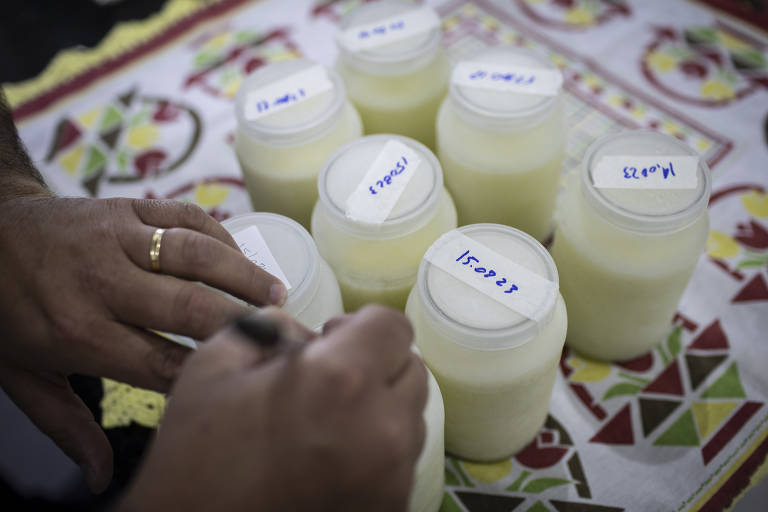
If mother and baby will be separated for long periods, expressing milk by hand or with a pump helps preserve supply and ensures the infant receives breast milk. Use clean containers or purpose-made storage bags and label them with the date, time and volume.
Milk can be kept in sterilised bags in a thermal bag with ice packs for up to 24 hours. After that, it should go into a refrigerator or freezer. Watch for signs that stored milk has spoiled: persistent granules, odd texture, a marked change in colour, or a sour smell. Discard milk that has been left at room temperature too long or reheated more than once.
Alcohol, blocked ducts and milk donation
Alcohol passes into breast milk, so plan around any consumption. One standard drink usually requires a wait of two to three hours before breastfeeding. Larger amounts call for longer intervals.
When milk accumulates and is not removed, some women may develop painful lumps known as blocked ducts. Regular expression or breastfeeding, gentle massage and prompt emptying of the breast reduce the risk of infection. Expressed milk that is not needed can be stored or donated; human milk banks in Brazil can advise on local donation arrangements and provide support on techniques for expressing and feeding.
Human milk banks, such as the Rede Brasileira de Bancos de Leite Humano, offer guidance from pregnancy through weaning: correct latch and positioning, expressing and storage, and support for mothers experiencing difficulties while travelling. Seeking help early can prevent unnecessary interruption of breastfeeding and help families enjoy summer travel with greater confidence.
With preparation, flexibility and support, breastfeeding during travel is achievable and continues to be an important source of nutrition and hydration for infants throughout the summer months.