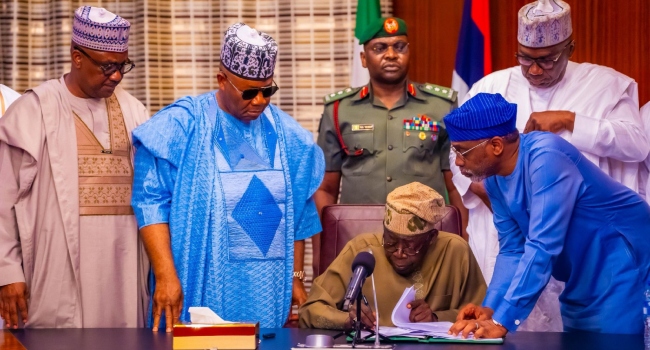
Key Takeaways:
- Nigeria tax reform will commence on 1 January 2026 as President Tinubu defends the overhaul.
- The laws aim to harmonise revenue collection under the Nigeria Revenue Service and strengthen fiscal foundations.
- Opposition and legal groups have raised concerns about discrepancies between passed and gazetted versions, prompting calls for suspension.
- The government says no substantial issue justifies delaying the reforms and seeks national support.

Tinubu Confirms Nigeria Tax Reform Will Begin on January 1
President Bola Tinubu has reiterated that the new tax laws will come into force on 1 January 2026 as scheduled, rejecting calls to delay implementation amid criticism from opposition figures and pressure groups. The president said the measures are intended to drive a structural reset, harmonise revenue administration and protect citizens’ dignity while building a firmer fiscal foundation.
Nigeria tax reform and what changes take effect
Signed into law in June, the package comprises four principal acts: the Nigeria Tax Act, the Nigeria Tax Administration Act, the Nigeria Revenue Service (Establishment) Act and the Joint Revenue Board (Establishment) Act. Together they place the country’s major revenue functions under a single authority, the Nigeria Revenue Service, and set out new rules intended to streamline collection and reduce duplication.
President Tinubu said on Tuesday that some provisions already took effect on 26 June 2025, while the remaining measures will commence on 1 January 2026. “These reforms are a once-in-a-generation opportunity to build a fair, competitive and robust fiscal foundation for our country,” he stated, urging Nigerians to support the transition.
Controversy over gazetted versions
Despite the government’s insistence, controversy has trailed the reform. Abdussamad Dasuki, a member of the House of Representatives, raised concerns that the versions of the laws published in the official gazette do not match the bills that lawmakers debated and approved. Dasuki said the National Assembly has not made available the harmonised, clerk-certified versions that were sent to the President, making it difficult to verify fidelity between the passed laws and the gazetted texts.
Opposition leaders including Peter Obi and Atiku Abubakar, alongside the Nigeria Bar Association and other pressure groups, have called for the suspension of the laws pending clarification. They argue that any discrepancy between what was passed in the legislature and what was gazetted could undermine legislative rights and the rule of law.
Government response and implications
The administration has countered those calls by emphasising that no substantial irregularity has been demonstrated that would justify halting the reform process. “Absolute trust is built over time through making the right decisions, not through premature, reactive measures,” Mr Tinubu said.
Analysts say the reforms could yield long-term benefits by reducing fragmentation in revenue collection and improving tax administration. By centralising key functions under the Nigeria Revenue Service, the government aims to harmonise tax rules across jurisdictions and close loopholes that hinder compliance and revenue mobilisation.
However, legal clarity and transparent communication will be vital in the coming weeks. If disputes over the texts are not resolved before the implementation date, they could prompt litigation or further political pressure that would complicate enforcement and the intended fiscal gains.
For now, the government has affirmed its timetable. With the start date only days away, stakeholders from business, civil society and the legal profession will be watching closely to see how the transition unfolds and whether the authorities can allay concerns while delivering the promised gains in revenue efficiency and fairness.