Key Takeaways:
- High-profile emotional breakdowns signal a wider Nigeria mental health crisis affecting both public figures and private citizens.
- Chude Jideonwo warns that dismissing such incidents sends a damaging message to millions suffering in silence.
- The death of creative influencer LazyWrita has renewed calls for better mental health support and public awareness.

Public Breakdowns Expose Nigeria’s Deepening Mental Health Crisis
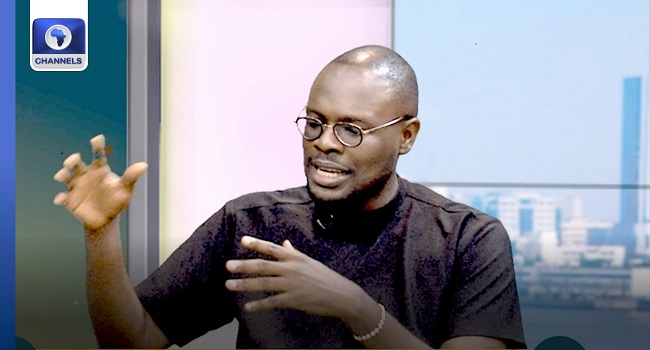
Prominent media entrepreneur Chude Jideonwo has warned that recent public emotional breakdowns involving well-known figures reflect a deeper, more widespread mental health problem in Nigeria. Speaking on Channels Television’s Sunrise Daily, he said the way society responds to these incidents will shape whether millions who suffer privately feel their pain will be acknowledged or dismissed.
Nigeria mental health crisis: what public breakdowns reveal
Jideonwo argued that Nigeria’s numerous structural and political challenges have encouraged a tendency to downplay personal trauma. “Because our country has so many big issues, there’s a sense in which we think that personal trauma is a small thing,” he said. “When we see it bleed into the public space, it should remind us of how serious the mental health crisis is.”
He pointed to recent incidents involving creatives and online personalities, saying they expose the scale of emotional pressure many Nigerians endure daily. “If a known person bleeds in public emotionally, it tells you that there are thousands bleeding in private,” he added. Such statements came in the wake of the death of poet and creative influencer Anda Damisa, widely known as LazyWrita, who is reported to have taken his own life after sharing a farewell message on social media.
The case of LazyWrita has reignited public discussion about the pressures facing creatives in Nigeria’s digital space and the wider availability of mental health support. Social media communities and fans have reacted with shock and grief, prompting renewed calls for more accessible services and better public understanding of mental illness.
Barriers to care and the wider impact
Experts and campaigners have long warned that access to mental health services in Nigeria is limited. Stigma, scarce funding, and a shortage of trained professionals combine with economic hardship and political instability to leave many without adequate help. Jideonwo stressed that this is not confined to any single social class: “We have a country where people, public or private, are suffering in their hearts and minds.”
The public nature of recent incidents matters because it can either normalise seeking support or reinforce silence. How the media, influencers and authorities frame these events will send a signal to those struggling privately about whether their pain will be taken seriously.
What next for policy and public dialogue
Advocates say the response should combine immediate and long-term measures: clearer crisis support pathways, investment in mental health services, training for primary healthcare workers, school-based mental health programmes, and public information campaigns to reduce stigma. Media outlets and social platforms also bear responsibility to report sensitively and provide signposting to support services when discussing self-harm or suicide.
Jideonwo urged the public not to sensationalise high-profile breakdowns but to treat them as warnings that demand action. “How we handle the public incidents signals to the private people that their own mental health struggles should be taken seriously,” he said. The recent events have underlined that mental health must be part of national conversation and policy planning if Nigeria is to reduce preventable tragedy and strengthen community wellbeing.