Key Takeaways:
- A firework accident in Pará left a man unconscious and severely burned after an unexpectedly exploding device struck him.
- Friends provided first aid and emergency medical services (SAMU) transported the victim to hospital.
- The event highlights the dangers of handling malfunctioning fireworks and the need for safer practices during celebrations.
- Authorities and health services urge preventive measures and safer regulation around sale and use of pyrotechnics.

Firework Blast Leaves Man Severely Injured in Pará
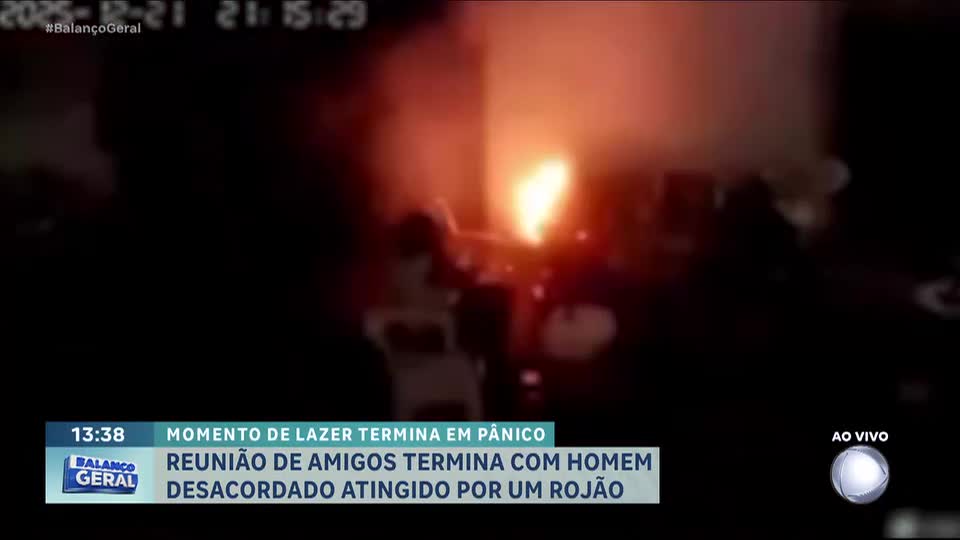
A man was left unconscious and with severe burns after a firework exploded during a private gathering in Oriximiná, in the northern Brazilian state of Pará. The incident occurred when a device that appeared to have failed was relit and launched a second time, detonating unexpectedly and striking the victim.
Firework accident in Pará explained
According to witnesses, the group had been meeting when one of the attendees attempted to light the firework. When it did not ignite as expected, someone picked it up and threw it into the air again. The device then exploded at close range, propelling hot gunpowder and fragments onto the man and setting his clothing alight. Friends rushed to extinguish the flames and perform immediate first aid while awaiting professional help.
Emergency medical services — the Serviço de Atendimento Móvel de Urgência (SAMU) — arrived at the scene and transported the injured man to a local hospital. Medical staff reported severe burns consistent with direct contact with heated gunpowder. The victim’s condition was described as serious; further treatment and burn-care were required.
Immediate response and medical concerns
Burn injuries from fireworks can be especially severe because they combine thermal damage with chemical irritation from explosive residues. Quick action by bystanders to extinguish flames and call emergency services likely reduced the risk of further injury, but survivors often need specialised wound care and, in some cases, reconstructive surgery.
Authorities warn that handling malfunctioning pyrotechnics is particularly dangerous. Devices that appear to have failed may contain unstable charges that can detonate unpredictably if disturbed. Experts advise leaving dud fireworks alone, keeping a safe distance, and using appropriate protective measures if authorised displays are being conducted.
Safety advice and wider implications
The accident in Oriximiná underscores broader public-safety concerns around the informal use of fireworks during private celebrations. Local health officials and civil-defence bodies repeatedly remind the public that fireworks are not toys and that legal regulations exist for a reason. Many injuries occur during informal gatherings where people lack protective equipment, proper training or authorised oversight.
Preventive measures recommended by safety authorities include purchasing fireworks only from licensed sellers, following manufacturer instructions precisely, keeping water or fire extinguishers nearby, and maintaining a safe perimeter for spectators. In the event a device fails to ignite, people should wait and not attempt to relight or handle it. Reporting illegal sales or unsafe usage to local authorities also helps reduce risks.
As the victim receives treatment, local officials are expected to reiterate public-safety campaigns ahead of forthcoming holidays and community events. The episode is a reminder of the real and lasting harm that mishandled pyrotechnics can cause and of the importance of combining personal caution with effective regulation and emergency preparedness.