Key Takeaways:
- South Africa called out Israel’s decision at the UN, arguing it contradicts international norms and risks regional instability.
- The emergency UN Security Council session was convened at Somalia’s request following Israel’s December 26 recognition of Somaliland.
- South Africa condemns Israel recognition of Somaliland and warned the move could validate fragmentation and provoke a domino effect in the Horn of Africa.

South Africa calls Israel recognition of Somaliland cynical
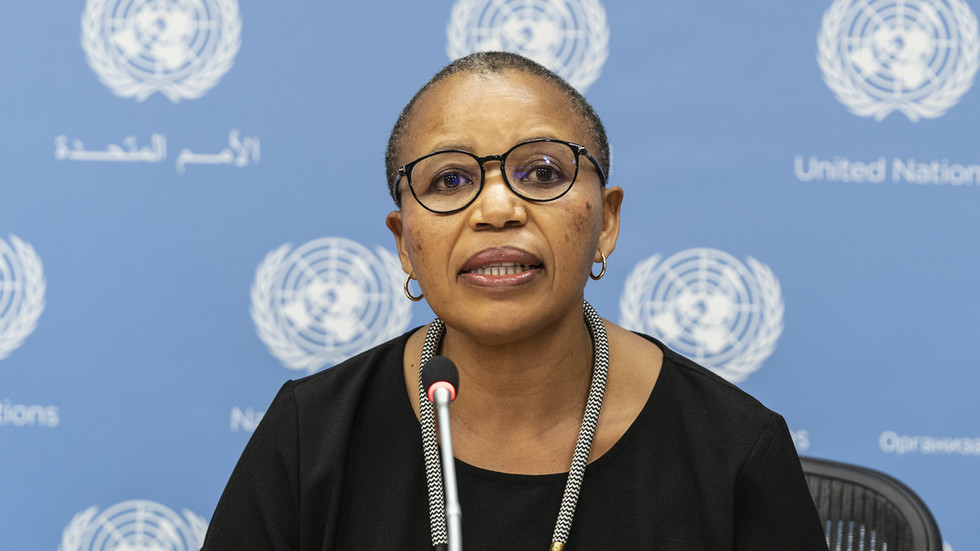
South Africa has accused Israel of acting in bad faith after West Jerusalem announced on 26 December that it would recognise Somaliland as an independent state. Speaking at an emergency meeting of the UN Security Council in New York, South Africa’s ambassador to the UN, Mathu Joyini, described the move as “ironic and cynical” and said it ran counter to established international consensus.
South Africa condemns Israel recognition of Somaliland
Joyini told the council that Israel’s decision was inconsistent with its refusal to recognise Palestinian statehood, which the vast majority of UN members accept as lawful under international law. “It is ironic and cynical that Israel wishes to be the only state to recognise Somaliland while at the same time rejecting recognition of the State of Palestine,” she said.
The emergency session was held after the Federal Republic of Somalia requested urgent consideration of the matter. Somalia regards Somaliland as an integral part of its territory and has repeatedly objected to any external moves that might lend legitimacy to the breakaway region’s claim to statehood.
Somaliland has operated with de facto autonomy since 1991, maintaining its own administration, currency and security forces, but it has not been recognised by any UN member state until Israel’s announcement. The lack of wider international recognition has been a central factor in regional diplomacy and efforts to preserve Somalia’s territorial integrity.
In a statement from the Department of International Relations and Cooperation, spokesperson Chrispin Phiri echoed Joyini’s remarks, calling the recognition a violation of Somalia’s sovereignty and warning that it risked triggering instability across the Horn of Africa. “The recognition constitutes a violation of the Federal Republic of Somalia’s sovereignty and territorial integrity and a direct threat to peace in the Horn of Africa,” Phiri said, adding that the move “validates fragmentation and risks a domino effect of instability.”
South Africa framed its criticism in terms of upholding international norms. Joyini urged the international community to reject actions that, in her view, erode the principles of territorial integrity and non-interference. She argued that selective recognition that appears politically motivated undermines efforts to resolve long-standing disputes through established diplomatic channels.
Observers say the development could complicate diplomatic relations in the region. Somalia’s government has signalled it will pursue all available avenues to challenge the recognition, while other states will weigh the potential consequences for bilateral ties with Israel and for broader regional security.
Analysts note that the move also touches on wider questions about recognition and statehood under international law. For many countries, the decision to recognise a new state is shaped by a combination of legal criteria, political considerations and regional stability concerns. Sudden unilateral recognitions, especially by a single country, can produce diplomatic backlash and unsettle fragile political balances.
The UN Security Council discussion is likely to focus on whether Israel’s action constitutes a breach of established practice or a sovereign decision within its prerogative. For now, South Africa has signalled it will press the case publicly, using multilateral fora to rally opposition and to emphasise the perceived threat to peace and stability in the Horn of Africa.
As diplomatic manoeuvres continue, capitals across the globe will watch how states respond to the recognition and whether it prompts any shifts in regional alignments or international positions on Somaliland’s status.