Key Takeaways:
- Delhi High Court granted interim relief protecting NTR Junior personality rights from unauthorised commercial use and deepfakes.
- The order bars websites and unidentified entities from exploiting the actor’s name, image and likeness until the next hearing.
- The court recognised the actor’s goodwill, brand endorsements and risk of irreparable harm from continued misuse.

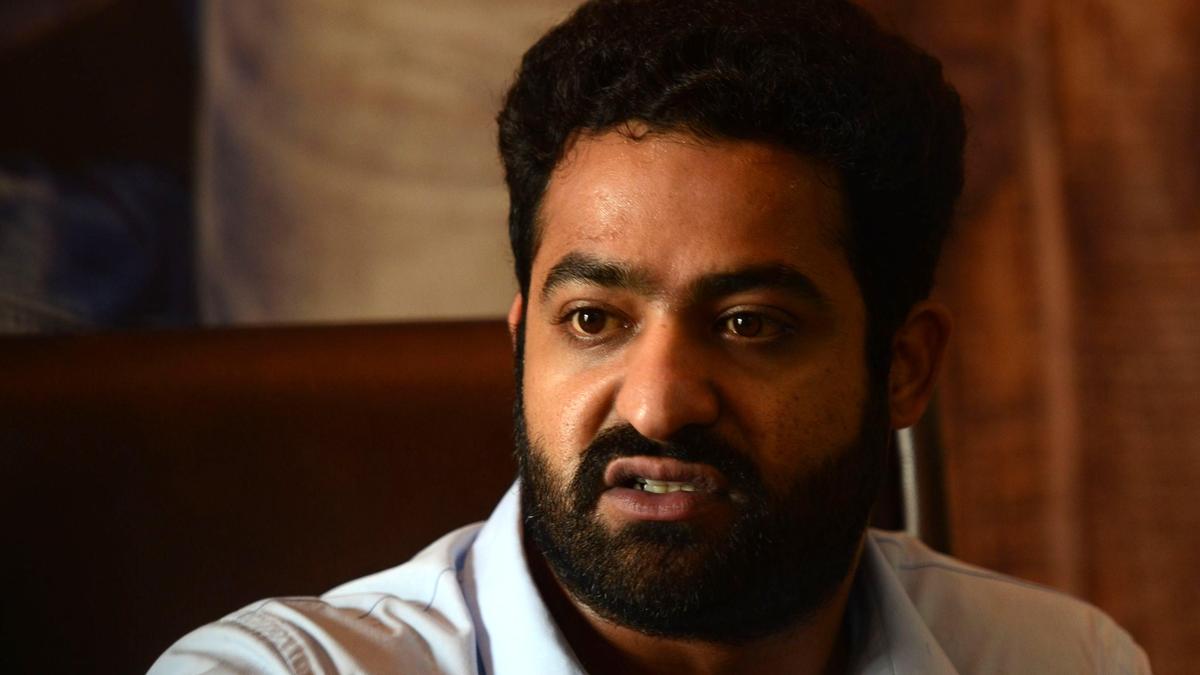
The Delhi High Court on Monday granted interim relief to actor Nandamuri Taraka Rama Rao Junior, commonly known as NTR Junior, restraining websites and other online platforms from unauthorised commercial use of his name, image and likeness. Justice Manmeet Pritam Singh Arora passed the order while hearing the actor’s plea, specifically addressing the emerging use of artificial intelligence and deepfake technology to exploit public figures.
NTR Junior personality rights secured in interim order
The court’s interim direction prevents various defendants, including unidentified entities and websites, from using the actor’s personality traits for commercial purposes until the next date of hearing. The judge noted that NTR Junior is a recognised public figure whose name and image have acquired significant goodwill through years of professional achievement and brand endorsements.
“Plaintiff is a known and recognised actor whose name, image, and likeness have acquired goodwill through decades of professional achievement and brand endorsements,” the order states, adding that the actor’s reputation and public association are not limited to his fan base. The court observed that the ongoing availability of infringing merchandise would cause irreparable injury to the actor.
The case underlines growing judicial attention to personality and publicity rights in India as digital technologies enable easier and cheaper replication of a public figure’s likeness. The interim restraint expressly covers exploitation using artificial intelligence and deepfake methods, reflecting courts’ increasing readiness to address novel technological risks.
The order follows a wave of similar petitions by prominent public figures seeking judicial protection. In recent months, several well-known actors and media personalities, including Aishwarya Rai Bachchan, Abhishek Bachchan, Hrithik Roshan, Ajay Devgn and journalist Sudhir Chaudhary, have approached the Delhi High Court for interim relief to protect their personality rights. The court has granted interim measures in a number of those matters.
Legal practitioners say the decision has two immediate effects. First, it reaffirms that a public figure’s right to control commercial use of their name and image is enforceable when unauthorised exploitation threatens reputation or commercial interests. Second, it signals judicial willingness to curb the misuse of generative technologies where those technologies are deployed for profit without consent.
For brands and online platforms, the ruling serves as a reminder to review endorsement agreements and content moderation practices. Websites selling merchandise featuring a celebrity’s likeness without permission may face swift injunctions and liability. Platform operators will also be under renewed pressure to act promptly when notified of infringements involving deepfakes or synthetic media.
The relief granted to NTR Junior is interim and procedural. The final outcome will depend on the evidence, pleadings and arguments at the next hearing. The court’s reasoning, however, already offers a framework for future disputes over commercial exploitation of celebrity identity, and for addressing the challenges posed by rapidly evolving AI tools.
As litigation develops, stakeholders from the entertainment industry, digital commerce and technology sectors will be watching closely. The decision exemplifies how domestic courts are adapting established personality and publicity rights doctrines to the digital age, balancing freedom of expression with protection against unauthorised commercial use and reputational harm.